





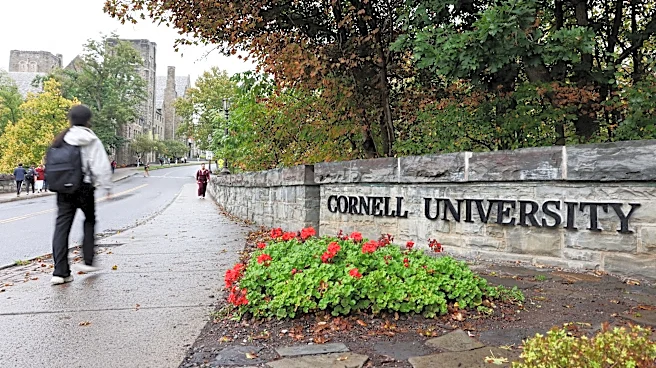
Cornell University, campus police and the local prosecutor’s office are all facing intense scrutiny over their investigation into 2024 gang rape allegations, and experts say key changes early in the case could have had a big impact on the investigation.
Sexual assaults require thorough, trauma-informed investigations, and there are several instances in which police and prosecutors in the Cornell case appeared to fall short of that high bar, said Deborah Tuerkheimer, author of the book “Credible: Why We Doubt Accusers and Protect Abusers.”
“There’s fault to go around,” said Tuerkheimer, a law professor at Northwestern University.
Multiple authority figures connected with the case have faced criticism from victim advocates, legal experts, politicians
and the legal team representing the woman at the center of the allegations. The failure to loop in local law enforcement at the outset, the breakdown in information sharing between police and prosecutors and the level of discipline imposed on the men involved in the case have all come under fire as experts say similar issues plague sexual assault investigations across the country.
“This is a somewhat extraordinary case in many ways, but in other ways it’s depressingly ordinary,” Tuerkheimer said. “A failure to thoroughly investigate allegations is something we see across the nation every day.”
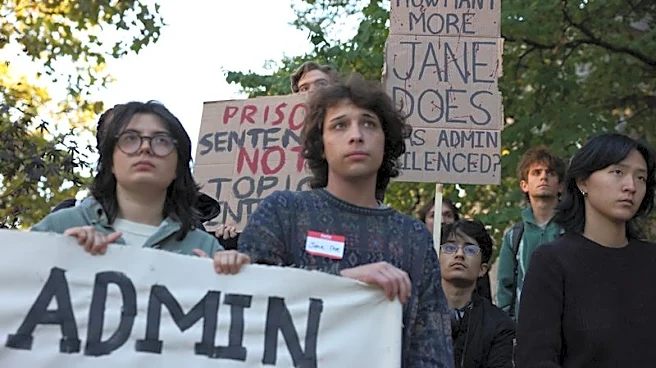
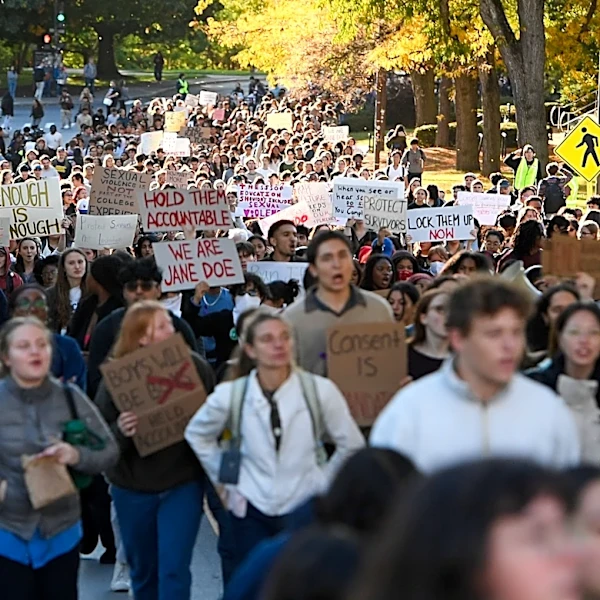
The allegations resurfaced in September after a woman anonymously referred to as Jane Doe filed a civil lawsuit. It alleges she was gang-raped on Oct. 19, 2024, by members of Cornell’s Chi Phi fraternity while being too intoxicated to consent and after being pressured into taking ketamine.
The lawsuit names seven then-members of the fraternity, the university, the fraternity, and others. No criminal charges have been filed and all seven fraternity members denied the allegations during the university's investigation.
Attorney, mayor and experts allege numerous red flags in investigation
Tuerkheimer said one of the key initial steps in sex crime investigations is deploying investigators who understand the effects trauma can have on memory and can build a relationship with an alleged victim. The woman's legal team says said officials failed to do that in this case.
The missteps began days after the alleged assault when Doe went to Cornell Health and reported she had contracted a urinary tract infection in a “traumatic way,” according to her attorney Thomas P. Giuffra. Giuffra could not immediately be reached for comment by USA TODAY, but told CNN a healthcare professional advised Doe to “speak with somebody” but failed to give her a sexual assault examination, known as a rape kit.
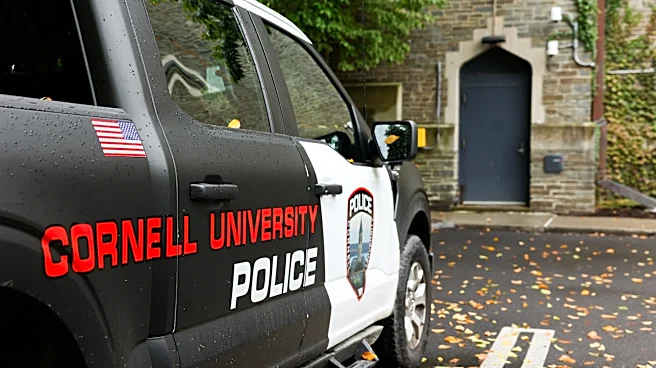
Doe later reported the alleged assault to Cornell University Police on Nov. 8, 2024.
“In my experience, speaking with an abuse survivor requires delicacy, understanding and specialized training. An average University Police officer would not have these skills. It would be the role of a specially trained detective or district attorney. However, Ms. Doe was never contacted by anybody with those skills,” Giuffra told ABC.
Ideally, Tuerkheimer said, after the report of a serious crime like this, the law enforcement agency leading the criminal investigation would coordinate closely with the school as it conducts its parallel Title IX investigation. She said the lead agency should be whichever department has the most expertise and training in investigating sex crimes, which is “typically, but not always the local police department” not campus police.
The Ithaca Police Department said in a Sept. 28 statement that the incident was not reported to them and they "learned of these allegations recently through the media.”

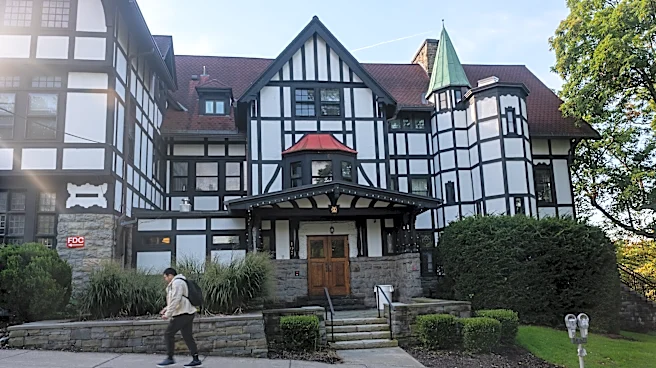
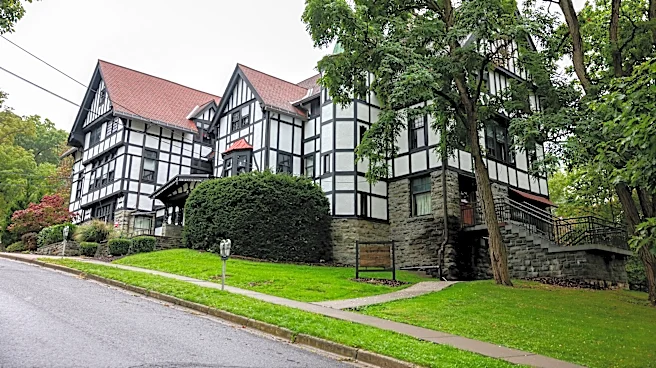
The university declined to comment citing the ongoing investigation but pointed to a statement which said the crime allegedly occurred within its jurisdiction, and thus it was “established protocol” for campus police to investigate. But Ithaca Mayor Robert G. Cantelmo told CNN the university “unequivocally” should have brought in local police on this case and demanded a “commitment in writing that they will turn these cases over to appropriate law enforcement agencies in the future.”
“The university police are no substitute for a professional law enforcement agency that does not have dual loyalties,” Cantelmo told the outlet. “Our police, state police, the sheriff’s department are all accountable to the people.”
Cantelmo has also criticized the university for failing to discipline the alleged perpetrators, calling the school’s response “appalling,” in a statement. The university has said its monthslong Title IX investigation, which is separate from the criminal investigation, resulted in “a range of sanctions, which included expulsions and suspensions from Cornell.”
“In addition, the involved fraternity chapter was closed in 2024 and remains barred from campus,” Kyle Kimball, vice president for university relations, said in a statement. “Any suggestion that the university did not impose consequential punishments for those involved is false.”
Giuffra, Doe’s attorney, told CNN he doesn't believe the details from the Title IX investigation were turned over to campus police.
“I believe that the information was not, because what is contained in the proceedings is evidence of several crimes being committed with excellent supporting evidence,” Giuffra told the outlet.
The university announcedOct. 6 that former acting attorney general Sally Yates has been retained to investigate its response to the 2024 allegations and its sexual assault policies and procedures.
‘Baffling’ decisions by the district attorney's office
Prosecutors are also facing scrutiny for deciding to not pursue charges in 2024 without taking several key investigative steps, a decision Fara Gold, a former federal and state sex crimes prosecutor, called “baffling,” “confounding” and “upsetting.”
One point that particularly surprised Gold: Prosecutors haven't confirmed they interviewed the victim.
“Prosecutors must meet with victims,” Gold said. “To me that is like 101 when you’re talking about a sexual assault investigation.”
The Tompkins County District Attorney’s Office statement says they offered to meet with Jane Doe.
The office reopened its investigation into the alleged assault at a fraternity house on campus after the woman involved filed a civil lawsuit in September, which also accuses the university of failing to protect her. But New York Gov. Kathy Hochul selected state Attorney General Letitia James to lead the criminal investigation, saying new revelations have raised questions about how the case was initially handled and shaken her confidence in the district attorney’s ability to review it.
District Attorney Matthew Van Houten said in a Sept. 28 statement that he based his charging decision largely on a six-page statement Doe provided to campus police, which “did not allege that she was drugged against her will or gang raped.”
Van Houten did not immediately respond to a request for comment from USA TODAY, but told CBS he never received the complete transcript of Doe’s interview with law enforcement on Nov. 14 and Nov. 15, 2024 in which she expressed “100% confidence I was raped.”
“It has become clear that we were not provided the full picture by the university,” Van Houten said in a statement on Oct. 2 welcoming the appointment of James as the special prosecutor.

On Nov. 25, 2024, a Cornell police investigator informed the district attorney’s office that they had conducted additional interviews, but prosecutors declined to review the evidence because they had already decided not to pursue criminal charges in the case, The New York Times reported. Van Houten told the outlet the additional interviews were “not pertinent to our analysis because we had Jane Doe’s comprehensive account of the events.” He also said his office does not do its own investigation, the New York Times reported.
Before making a decision on criminal charges, prosecutors should have obtained the full transcript and recording of the interview, according to Gold, now senior counsel of strategic advocacy at Edwards Henderson — The Crime Victim Law Firm.
Gold said it is “unfathomable” that prosecutors declined to review more evidence that was offered to them. She also disputed the idea that prosecutors don’t conduct their own investigations, saying there are a “host of investigative steps” that can be taken.
“As prosecutors, we have the ability to subpoena information, compel information, get search warrants,” she said. “I mean, they have a grand jury, right? They can conduct a grand jury investigation.”
Still, Gold said it is not uncommon for prosecutors to decline to prosecute sexual assault allegations too quickly. She said both the rape allegations and what exactly went wrong in this investigation need to be fully investigated.
“That’s our job as prosecutors, I say as no longer one,” Gold said. “Our job is to be thorough.”
Contributing: Karissa Waddick, USA TODAY
This article originally appeared on USA TODAY: 'Baffling': Early Cornell rape investigation troubles experts