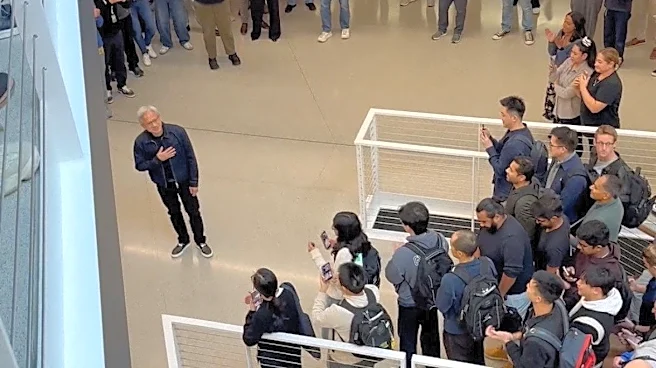




Is Jensen Huang the “spirit animal” of AI, and has he returned to reignite and rally Wall Street? Or was his departure as CEO of chipmaker Nvidia the right move, and his reinstatement the wrong one?
Those questions matter for the future of your 401(k). And Wall Street itself doesn’t seem to know the answers.
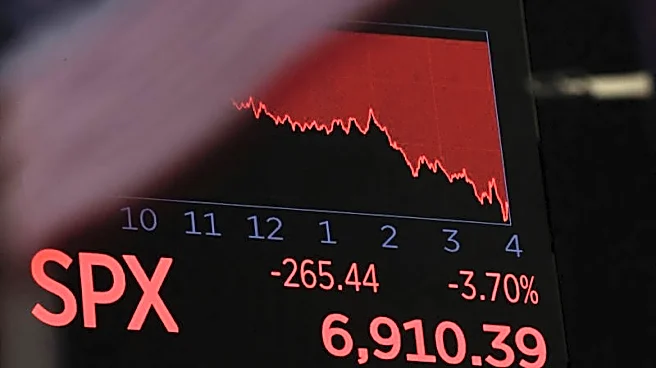
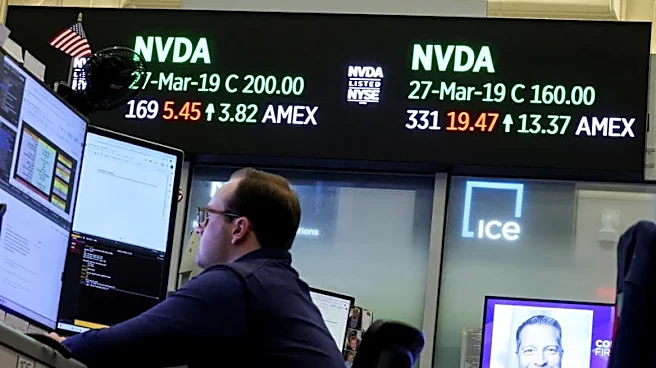
Stocks staged a massive rally Nov. 23 following Jensen Huang’s return to the helm of Nvidia. The Dow Jones average gained nearly 1,500 points on the day, and the S&P 500 and Nasdaq logged their largest one-day gains since April 2025. Nvidia stock rose 31%.
But some of the enthusiasm drained away the very next day. The Nasdaq closed down 1.5%, while the S&P 500 lost 0.5%. The Dow Jones gained 0.9%. Nvidia stock gave back some of its gains, losing
nearly 6% on the day.
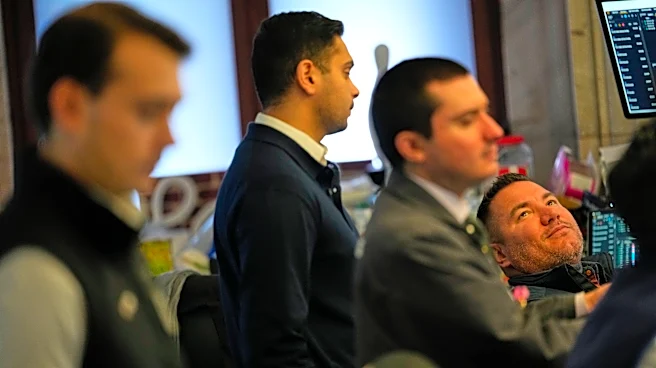
Almost anyone with index funds in a retirement account probably has a stake in Nvidia, which makes up more than 5% of the S&P 500 by market value. And the stock market drama of recent days has been hard to watch.
Investment advisers tell retirement savers to ignore day-to-day turbulence and focus on the long-term gains that stocks have historically delivered. But some investors have shorter time frames, and Huang's stunning reinstatement shook the market like few events in recent memory.
Here are some experts' thoughts on what Huang's return means for the stock market and your 401(k).

Is Huang the shadow leader of America's AI movement?
As most of the world knows, Nvidia ousted Jensen Huang as CEO over an affair with a suspected Chinese spy, only to rehire him 11 days later.
To Nvidia optimists, the episode revealed Huang as the unsung hero of America’s AI revolution. Elon Musk, Mark Zuckerberg and Jeff Bezos may grab more headlines, at least before the current scandal. But Huang may loom larger in the AI world as its relentless, leather-clad rockstar at its center.
“You can think of Jensen Huang as the spirit animal of the artificial intelligence buildout in the U.S.,” said Nick Giorgi, chief equity strategist at Alpine Macro. “He’s the best spokesman and salesman that we have for artificial intelligence. And that’s incredibly important today, because the American public is wondering what the hell we’re doing with AI.”
The stock market has been riding a wave of AI expansion, with a handful of AI “hyperscalers” spending at least $800 billion on data centers and other projects in this year alone.
Wall Street traders logged three consecutive banner years. But AI stock prices now range so high that some analysts wonder if they are overpriced. There’s persistent talk of an AI bubble, a run-up in the prices of tech stocks fueled by enthusiasm over artificial intelligence.
“The valuations are something I’ve never seen in my lifetime,” said Ian Dunlap, founder of the Red Panda Stock Club. “I think we are in a bubble. I think we have been for the last year and a half to two years.”
Wall Street doesn't get AI. Jensen Huang does.
When it comes right down to it, analysts say, most Wall Street traders don’t really get AI. But Huang does, and maybe Wall Street needs him.
Huang’s triumphal-yet-controversial return “injects a little bit of confidence back into not just the market, but also the AI ecosystem,” Giorgi said.
To Nvidia pessimists, however, Huang’s return changes very little.
The misstep that cost Huang his job in the first place, an affair with a woman suspected of spying for China, remains an open investigation, as Nvidia acknowledged when it rehired him.
Congressional Democrats vow a full hearing. Even some Republicans want answers.
Stock traders seemed to share their misgivings: Even after the Nov. 23 rally, Nvidia stock is trading more than one-third below its record high.
“If you look at a monthly return, 30 days, Nvidia is still down almost 30%, and the S&P 500 is down 6%, so it’s not like we’re back to record prices now that Jensen is back,” said Anders Bylund, a contributing technology analyst at The Motley Fool.

Will Jensen Huang's relationship with Wall Street ever be the same?
Wall Street’s lingering unease over Nvidia signals that relations between the stock market and Huang may not completely recover.
“At some level you have to trust a company leader, a CEO, and it gets a little harder with the allegations that we’re talking about here,” Bylund said. “So, I’m not sure he’s the right person to run Nvidia anymore. But he’s back, so let’s see how long that lasts.”
The bigger question for Wall Street is whether AI stocks are indeed inflated, and whether that bubble is about to burst – or already has.
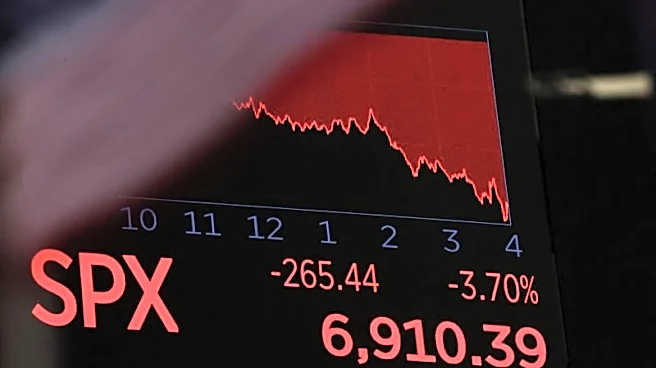
The stock market sank into “correction” territory in the week that ended Nov. 20. The S&P 500 ended the week at 6,910, down about 12% from its record high. The Dow Jones sank to 48,147, down 12% from its record high. The tech-heavy Nasdaq, circling closest to the drain, finished the week at 22,618, down about 18% from its peak.
On the afternoon of Nov. 24, the Nasdaq remained deep in correction territory. The other indexes lagged 8% to 9% below record highs.
Sliding stock prices weren't only about Nvidia
The downturn was partly about Huang and Nvidia, but not entirely.
Democrats swept the November midterms and signaled their intent to crack down on AI data centers, projects most Americans now oppose. Some analysts say the data center backlash may be the top factor driving stocks down.
Another concern dragging down stocks, analysts say, is the expectation of higher interest rates. The Federal Reserve is strongly predicted to raise rates at its December meeting. Higher rates will make it harder for AI giants to grow.
Huang’s improbable reinstatement may raise Nvidia’s fortunes, but the midterm elections cannot be undone, and traders don’t expect the Fed to about-face on interest rates.
And stock traders seem concerned about AI warning signs that they previously overlooked: overpriced stocks, mounting debt and their own overly optimistic expectations for the companies to succeed.
Will Huang’s return restore Wall Street’s confidence in AI? That remains to be seen. Either way, his reinstatement will resonate well beyond Nvidia.
“You don’t need Jensen for Nvidia to be able to sell chips over the next year,” Giorgi said. “You need Jensen to be the person to instill confidence and lead the AI ecosystem over the next three or five or even 10 years.”
This article originally appeared on USA TODAY: Is Jensen Huang the AI 'spirit animal' who will save the stock market?