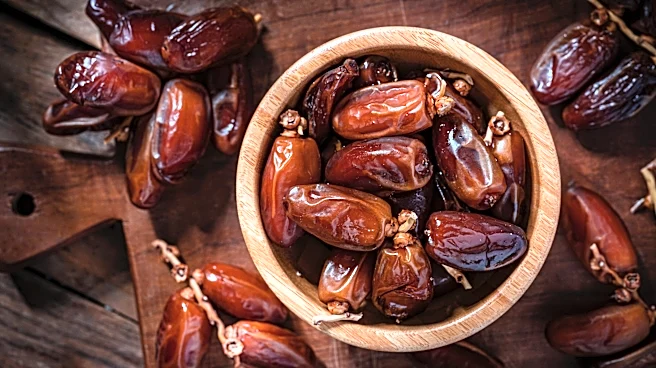







Few fruits have been enjoyed for as long − or have experienced as dramatic a modern resurgence − as dates. Cultivated for thousands of years across dry, hot regions of the world, these naturally sweet fruits have today become a staple in everything from protein bars and smoothies to desserts and pre-workout snacks.
Their popularity stems from their distinctive texture, natural sweetness, convenience, near year-round availability and impressive nutritional profile. They're also increasingly favored by health-conscious consumers because "they taste like a treat but are still a whole, minimally processed food," says Monica Kelly, a registered dietitian at Montefiore Health System in New York.
But minimally processed doesn't mean dates can be eaten
without limits. Here's what they are, why they're good for you and how to enjoy them without overdoing it.

What are dates?
Dates are the fruit of the date palm tree, "which is commonly grown in hot climates such as the Middle East, Northern Africa and parts of California and Arizona," says Lance King, a nutritionist and performance coach at XFIT Coaching and the Ward Institute in Utah. He explains that the fruit naturally ripens on the tree "and is typically harvested, cleaned, sorted and dried before packaging."
Some of the most popular varieties of dates sold in the U.S. are Medjool, Deglet Noor and Barhi. These and other varieties are generally sold in dried form, though that term can be somewhat misleading. Unlike many dried fruits that undergo extensive processing, dates lose much of their moisture naturally as they ripen on the tree, meaning relatively little additional dehydration is usually needed after harvest.
But any such drying "extends their shelf life," notes Kelly, and also concentrates the fruit's natural sugars, creating the rich, caramel-like flavor dates are known for. This distinctive flavor is one reason many consumers choose them over heavily refined snacks and sweets.
Are dates good for you?
Dates may be small, but they pack an impressive nutritional punch. At about 6 grams of dietary fiber per cup, one of their standout nutrients is fiber, "which supports digestion, promotes regularity and helps keep you feeling full for longer," Kelly notes. Fiber also slows the absorption of sugar into the bloodstream, helping provide steadier energy than highly processed snacks.
Dates are also rich in potassium and magnesium, "minerals that support muscle and nerve function, hydration and cardiovascular health by regulating blood pressure," King says. They also provide smaller amounts of vitamin B6 and vitamin K, which help support metabolism and blood clotting, respectively.
In addition to vitamins and minerals, dates contain antioxidants, including compounds known as polyphenols. These substances help protect cells from damage caused by unstable molecules known as free radicals. Because of this benefit, dates may be helpful "in reducing inflammation and protecting the body from cell damage, thereby preventing chronic diseases and contributing to improved heart health," Kelly says.
Their combination of natural carbohydrates and fiber also makes dates popular among athletes and active individuals. "They provide quick energy without many additives or artificial ingredients, making them a convenient pre-workout snack," King says. And their intense sweetness also allows them to serve as a natural substitute for refined sugar in everything from baked goods to energy bites.
Can you eat dates every day?
For most healthy people, dates can absolutely be part of a daily diet. But as with many nutritious foods, "portion size matters," King says, because dates are "calorie-dense and naturally high in sugar." Indeed, a single cup of pitted chopped dates contains over 400 calories and nearly 95 grams of natural sugar.
Still, thanks to their high fiber content, dates have a low-to-moderate glycemic index, meaning they generally raise blood sugar more slowly than many candies, desserts and other sweet foods. At the same time, large portions can still cause a rise in blood sugar simply because the total amount of sugar adds up, "so people with diabetes or blood sugar regulation challenges should be mindful of how many they consume at once," King cautions.
Individuals with kidney disease "may also need to exercise caution due to their high potassium content," Kelly says. And those taking medications that affect potassium levels such as beta-blockers and asthma inhalers may also want to be mindful of their dates intake for the same reasons and consult their healthcare provider before eating too many.
Another consideration is dental health. Because dates are sticky and naturally sweet, "they can also contribute to cavities if dental hygiene isn’t well maintained," Kelly says.
Ultimately, though, dates are a sweet and nutritious fruit that "fit well into wellness-focused lifestyles," King says. "They are minimally processed, portable and provide quick energy along with fiber and minerals."
This article originally appeared on USA TODAY: Yes, dates can be good for you. But here's why you can overdo it.