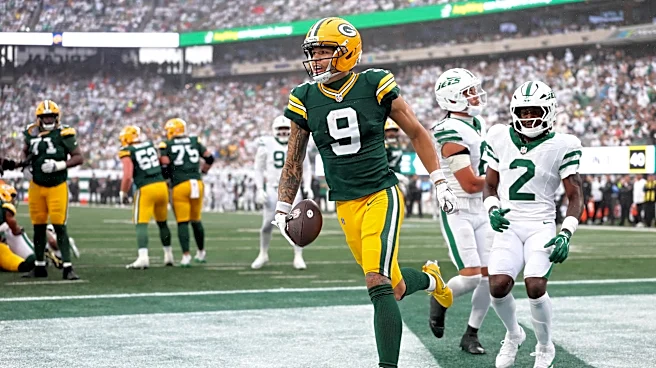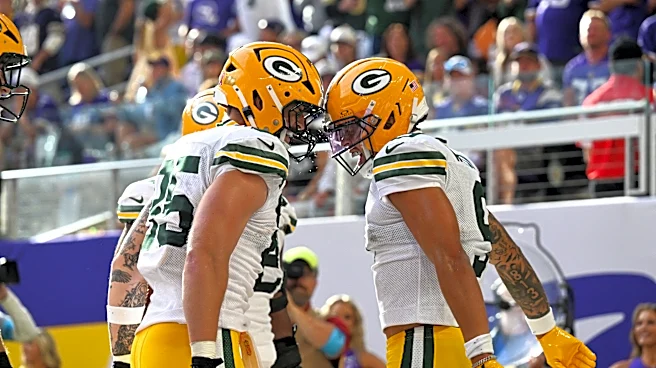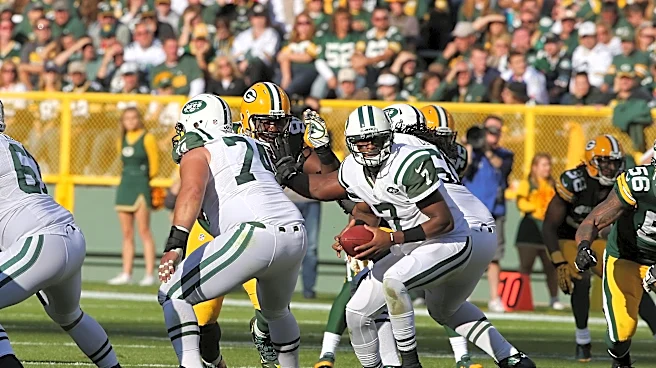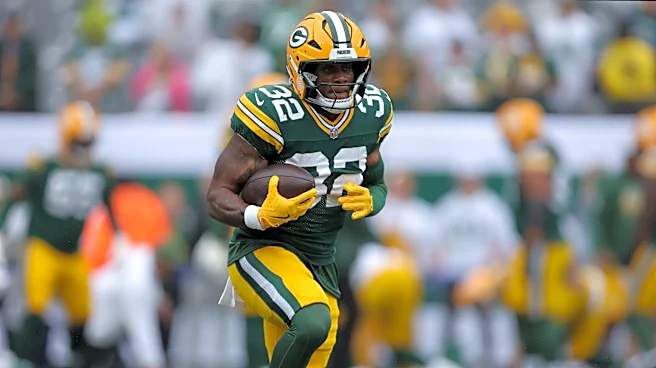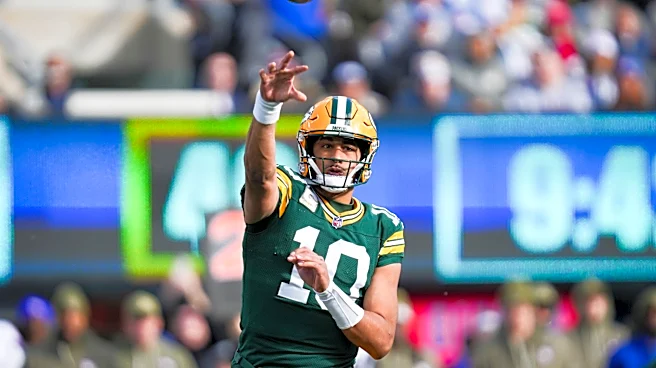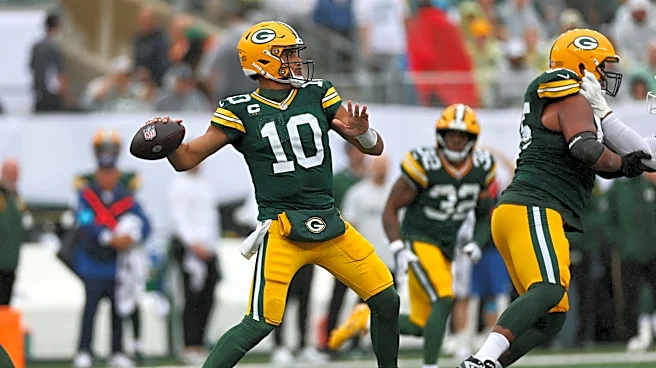

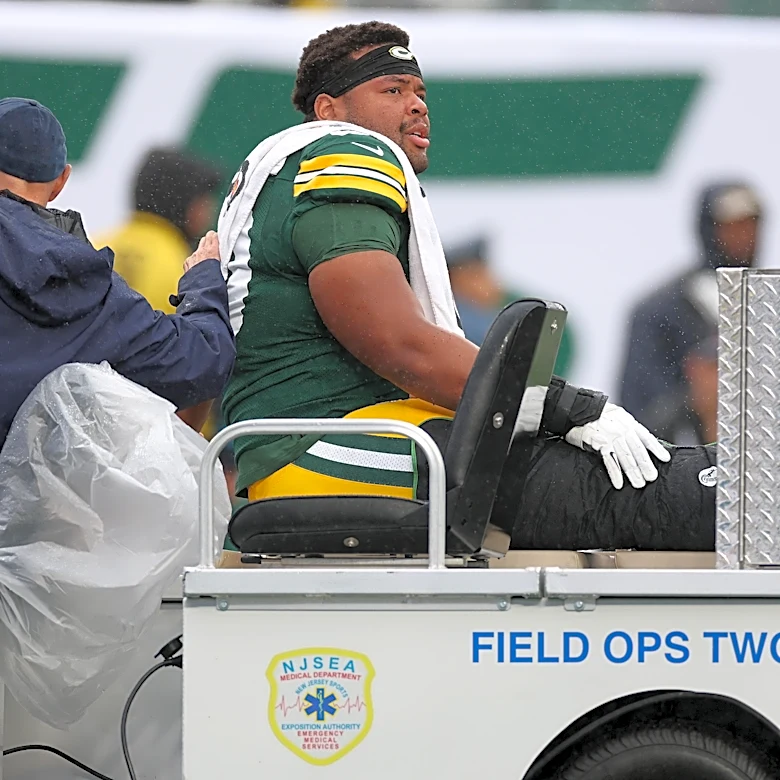


The Green Bay Packers vs. New York Jets contest will not be decided in four quarters. The two teams will head to overtime after the teams ended regulation tied at 17.
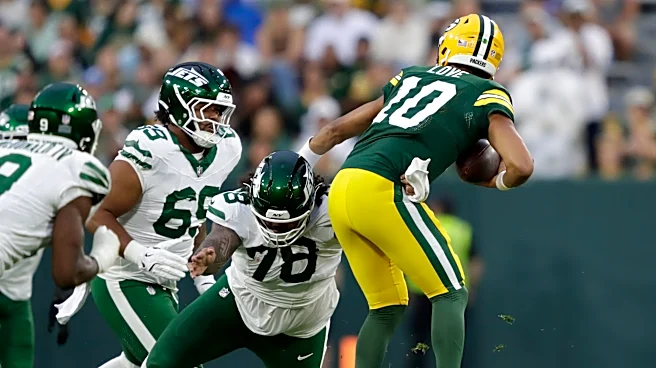
The Packers overcame a four-point, fourth-quarter deficit to force the Jets into the extra period. Jordan Love had a chance to launch a potential game-ending Hail Mary at the end of regulation as well, but Kingsley Enagbare was able to sack him.
Now, the Packers will look to win the game in overtime to avoid a disappointing 0-2 start to the season. Meanwhile, the Jets will look to improve to 2-0 for the first time since 2015.
How will overtime work? Here's what to know about the NFL's overtime rules for 2026.
NFL overtime rules 2026
The NFL's overtime rules for 2026 will be familiar to NFL fans. They mirror
the rules utilized during the 2025 campaign, which have also been the postseason overtime rules since 2022.
Overtime will be 10 minutes long. Each team will get two timeouts during the extra time and all reviews will be initiated by the booth.
Both teams will have a chance to possess the ball in overtime. The lone exception comes when the kicking team scores a safety during the receiving team's first possession.
A coin toss determines which team chooses to get the ball first.
After each team possesses the ball, the team with the most points wins. If it is still tied after one possession each, the next team to score wins.
If the score remains tied after 10 minutes, the game ends in a tie.
Just one game ended in a tie during the 2026 NFL season. That was a Week 4 "Sunday Night Football" clash between the Green Bay Packers and the Dallas Cowboys, which ended 40-40 as time expired.
The season-opening NFL Kickoff Game, which originated in 2002, has never ended in a tie. The most recent Week 1 tie occurred in 2022, when the Indianapolis Colts and Houston Texans played to a 20-20 draw.
This article originally appeared on USA TODAY: NFL overtime rules: What to know for the 2026 season