

A Life Rooted in Rural Virginia
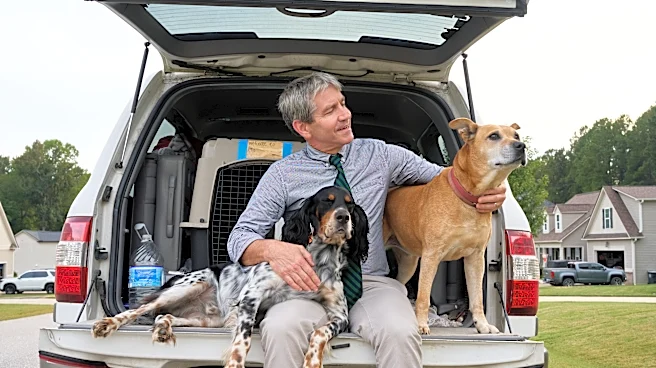
Joy Powers isn’t a typical political candidate. Her story doesn’t begin in Washington, D.C., but on her family's 350-acre farm in Bedford, Virginia, where she was raised and continues to work raising cattle. This background is central to her identity and her political platform. Growing up in organizations like 4-H and the Virginia FFA, Powers developed a deep connection to agricultural life and the values of hard work and community service. She often emphasizes that her perspective is shaped not by party talking points, but by the hands-on experience of running a farm, managing a small business, and understanding the economic pressures facing rural families. This grounding in the land and its stewardship is the foundation upon which her public
life has been built.
A Record of Community Service
Before entering the political arena, Powers built a substantial record of local leadership. Her commitment to her community is evident in a long list of roles she has undertaken over the years. She served as the Superintendent of the Bedford County Fair, where she worked to revive the event and promote local agriculture and business. She was also a member of the Bedford County Agricultural Economic Development Advisory Board, focusing on strengthening the local rural economy. Beyond local government, she founded Restore the Harvest, a non-profit dedicated to providing sustainable agricultural education in vulnerable communities worldwide, including in Malawi, Africa. Her service also extends to being a foster parent and advocate, a journey that led to the adoption of her son, Eli, which she says deepened her resolve to build a better future for every child in Virginia.
The Jump into Politics
On August 4, 2026, Joy Powers secured the Democratic nomination for Virginia's Ninth Congressional District, marking her official entry into national politics. She frames her candidacy as a direct response to what she sees as a political system that has long overlooked communities like hers. Positioning herself as a “different kind of Democrat,” Powers has made it clear that her allegiance is to her district's people, not a national party line. For example, she openly supports the Second Amendment, a stance that sets her apart from many in her party. Her campaign themes reject partisan fighting in favor of what she calls “rooted representation,” arguing that Southwest Virginia deserves a leader who understands its challenges firsthand. Her message is one of pragmatism, aimed at voters who feel left behind by both parties.
A Platform for the Working Class
Powers' policy priorities are directly tied to her life experience. She speaks frequently about the need to challenge corporate consolidation, arguing that a few large companies have too much control over the prices of essentials like food, seed, and medicine. She advocates for measuring every policy by a simple question: does it make life easier or harder for working families in her district? This people-first approach extends to her views on education and infrastructure. She calls for strong funding for public schools and better pay for teachers, along with major investments in career and technical education and community colleges, noting that a four-year degree isn't the only path to a successful future. Her entire platform is built on the idea of returning power and resources to the working people and small businesses that form the backbone of rural America.