




From Community Roots to Political Activism
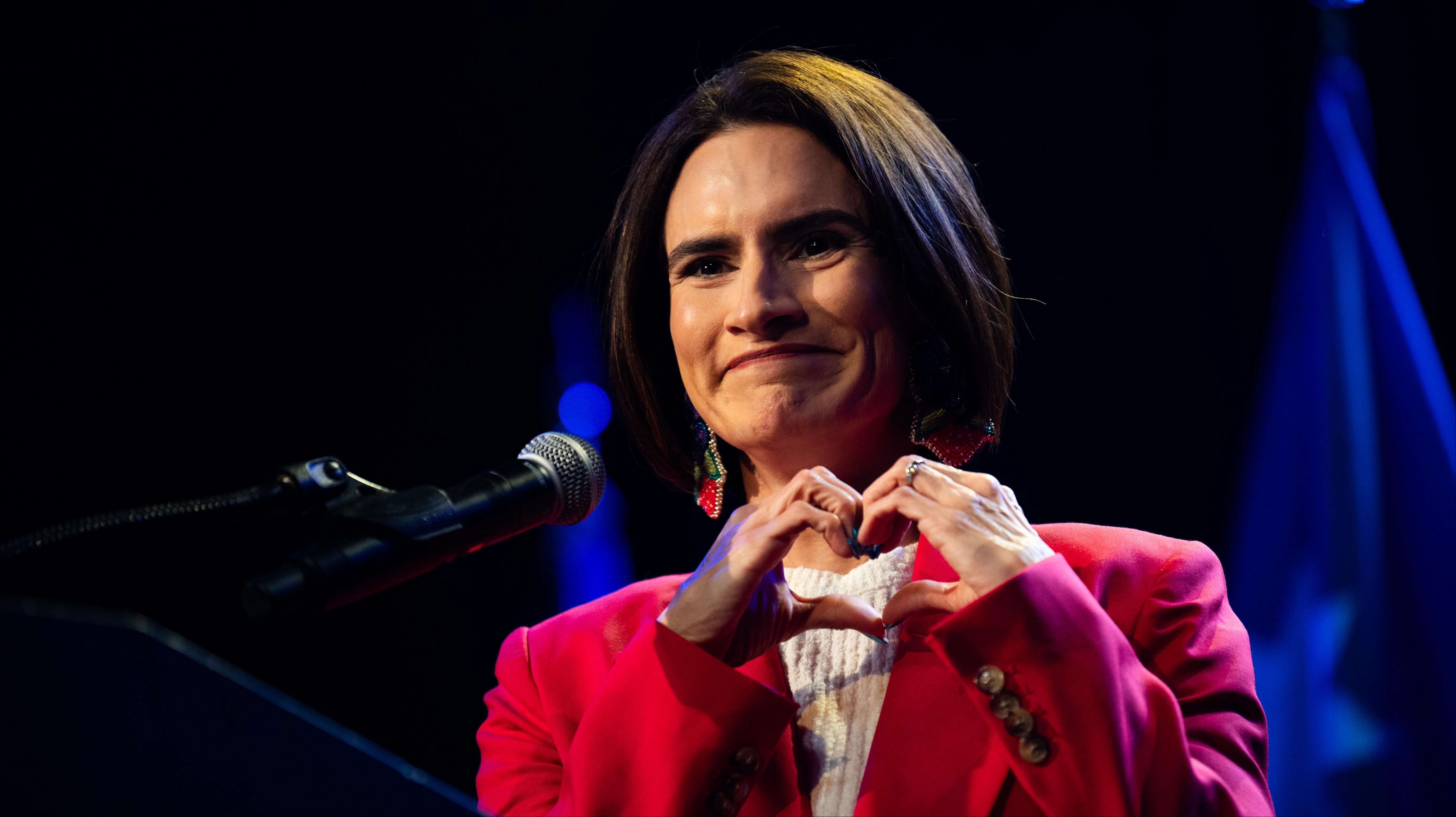
Peggy Flanagan was born and raised in St. Louis Park, Minnesota, a suburb of Minneapolis. A citizen of the White Earth Nation of Ojibwe, her identity and upbringing profoundly shaped her path. Raised by a single mother, Flanagan has often spoken about how her family relied on public assistance programs, an experience that she says informs her policy perspectives on equity and support for working families. Her political education began early, influenced by her mother's activism and her father's work as an advocate for American Indian land rights. Flanagan graduated from the University of Minnesota with a degree in child psychology and a minor in American Indian studies, a combination that foreshadowed her future career focus. Her entry into formal
politics was through grassroots organizing, including working on the U.S. Senate campaign for the progressive icon Paul Wellstone.
Building a Career in Advocacy
Before holding statewide office, Flanagan built an extensive resume in nonprofit and advocacy work. She served on the Minneapolis Board of Education from 2005 to 2009, gaining her first experience as an elected official. She then spent nearly a decade at Wellstone Action, the organization created to carry on Senator Paul Wellstone's legacy, where she trained thousands of progressive candidates and organizers, including her future running mate, Tim Walz. Later, as the executive director of the Children's Defense Fund-Minnesota, she focused on child-advocacy and co-chaired the coalition that successfully fought to raise Minnesota's minimum wage. These roles solidified her reputation as a fierce advocate for children, families, and low-income communities.
The Path to Statewide Office
Flanagan's first run for the Minnesota House of Representatives came in a 2015 special election, which she won unopposed. In the legislature, she focused on issues like child care affordability and co-founded the People of Color and Indigenous (POCI) Caucus to champion the interests of marginalized communities. Her ability to work across the aisle was noted; even while in the minority party, she was one of only a few Democrats to be the chief author of a bill that became law. In 2018, then-Congressman Tim Walz selected Flanagan as his running mate for his gubernatorial campaign. Their ticket was successful, and upon taking office in January 2019, Flanagan made history as the first woman of color elected to statewide office in Minnesota. They were subsequently re-elected in 2022.
A Historic Lieutenant Governor
As Lieutenant Governor, Flanagan has championed a portfolio of issues reflecting her career-long priorities. Her office has been central to key legislative wins, including the establishment of the nation's first state-level Missing and Murdered Indigenous Relatives Office. Other signature accomplishments include securing investments in affordable housing, passing a paid family and medical leave program, and creating a state-level Child Tax Credit. She has used her platform to strengthen relationships between the state government and Minnesota's 11 sovereign tribal nations. In 2023, her national profile grew when she was elected to chair the Democratic Lieutenant Governors Association, making her the first Native American woman to lead a national political party committee.
National Profile and Next Steps
With a proven record in Minnesota, Flanagan has become a prominent figure in the national Democratic party. Her supporters view her as a progressive leader who has successfully translated advocacy into concrete policy. In 2026, she secured the Democratic-Farmer-Labor Party's nomination for an open U.S. Senate seat in Minnesota. If elected, she would be the first Native American woman ever to serve in the U.S. Senate, breaking yet another barrier in a career defined by them. Her campaign focuses on many of the same issues she has championed for years: economic fairness for working families, universal childcare, and protecting reproductive rights.