


From Harvard Law to Cell Phone Pioneer
Born in Indianapolis, Indiana, Mark Warner became the first in his family to graduate from college, earning a political science degree from George Washington University before getting his law degree from Harvard. But instead of practicing law, he was drawn to the world of business. After a few failed ventures, Warner hit it big in the 1980s by diving into the nascent cellular telephone industry. He co-founded the company that would eventually become Nextel, building a massive personal fortune estimated to be over $200 million. His firm, Columbia Capital, became a major player in telecommunications venture capital, backing hundreds of tech startups that created tens of thousands of jobs. This deep business and technology background would become the bedrock
of his future political identity, separating him from many of his peers.
The Governor's Mansion in Richmond
After establishing himself in business, Warner turned his focus to public service. He managed Douglas Wilder's successful 1989 gubernatorial campaign and chaired Virginia's Democratic Party in the mid-90s. In 2001, he ran for governor himself and won. Inheriting a major budget shortfall, Governor Warner worked with a Republican-controlled legislature to pass a significant tax reform package that combined cuts with increases on sales and cigarettes. The move was credited with protecting Virginia's AAA bond rating and enabling the largest investment in K-12 education in the state's history. By the time he left office in 2006, Virginia was being ranked as the nation's best-managed state and best state for business, and Warner had a reputation as a popular, pragmatic, and bipartisan leader.
A Senator Focused on Tech and National Security
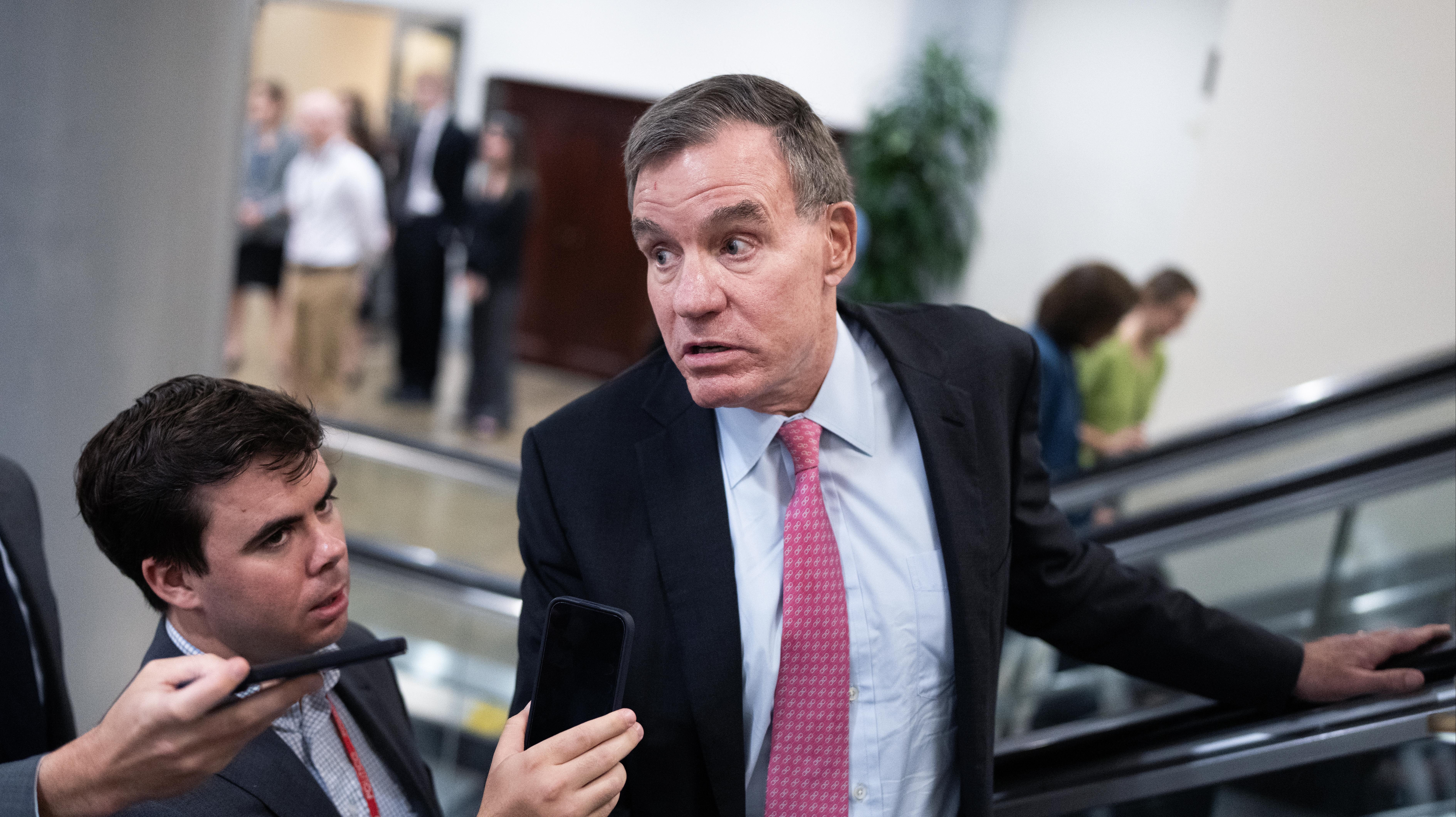
After a successful governorship, Warner was elected to the U.S. Senate in 2008. His business background immediately informed his work, particularly his focus on technology, cybersecurity, and fiscal policy. He was appointed to the powerful Senate Select Committee on Intelligence in 2011 and has served as its Chairman or Vice Chairman for many years. In this role, he has co-founded the Senate Cybersecurity Caucus and led bipartisan oversight into foreign interference in U.S. elections and the national security challenges posed by emerging technologies like artificial intelligence. His expertise has made him a leading voice in Congress on how to manage the economic and security implications of the digital age, from expanding rural broadband to regulating big tech.
Key Policy Stances and Political Reputation
In Washington, Senator Warner has carved out a distinct identity as a moderate Democrat and a broker of bipartisan deals. He was a key negotiator of the major Dodd-Frank financial reform act after the 2008 crisis and the landmark Bipartisan Infrastructure Law in 2021. He also wrote the CHIPS and Science Act, a bipartisan bill aimed at boosting domestic semiconductor manufacturing to reduce reliance on China. While he supports core Democratic positions on issues like abortion rights and the Affordable Care Act, he has often worked with Republicans on banking regulations and fiscal issues. This reputation as a centrist dealmaker has made him an influential, if sometimes unpredictable, figure in a deeply polarized Senate, consistently focused on finding common ground on infrastructure, technology, and economic competitiveness.