

The Old Rhythm: Presidential Peaks and Midterm Troughs
For decades, North Dakota's voting patterns followed a predictable national rhythm: a surge of interest for presidential elections and a significant drop-off during the midterms. Like clockwork, turnout would often eclipse 60% when a president was on the ballot, only to fall into the 40% or 50% range two years later. This mirrors a nationwide trend where the higher stakes and media saturation of a presidential race consistently draw more citizens to the polls. In North Dakota, this was the established norm through the 1990s and early 2000s. While its unique lack of voter registration, abolished in 1951, was designed for small, tight-knit communities where poll workers knew the voters, it didn't necessarily make the state immune to the voter apathy
that often characterizes midterm cycles.
A Shifting Landscape in the 21st Century
The turn of the century and the increasingly nationalized political environment began to reshape this dynamic. While the state's average voter turnout between 2002 and 2024 remained a respectable 55.4%, slightly above the national average of 52.4%, the individual election results tell a more nuanced story. The 2022 midterms, for instance, saw a turnout of just 41.7%, lagging behind the national average of 46.2%. This suggests that even in a state built for easy voting, local engagement can wane, especially in non-presidential years without high-profile statewide races to drive interest. Furthermore, a slight decline in midterm turnout was noted over the last decade, contrasting with states that saw increases.
The 2020s: Polarization and Participation
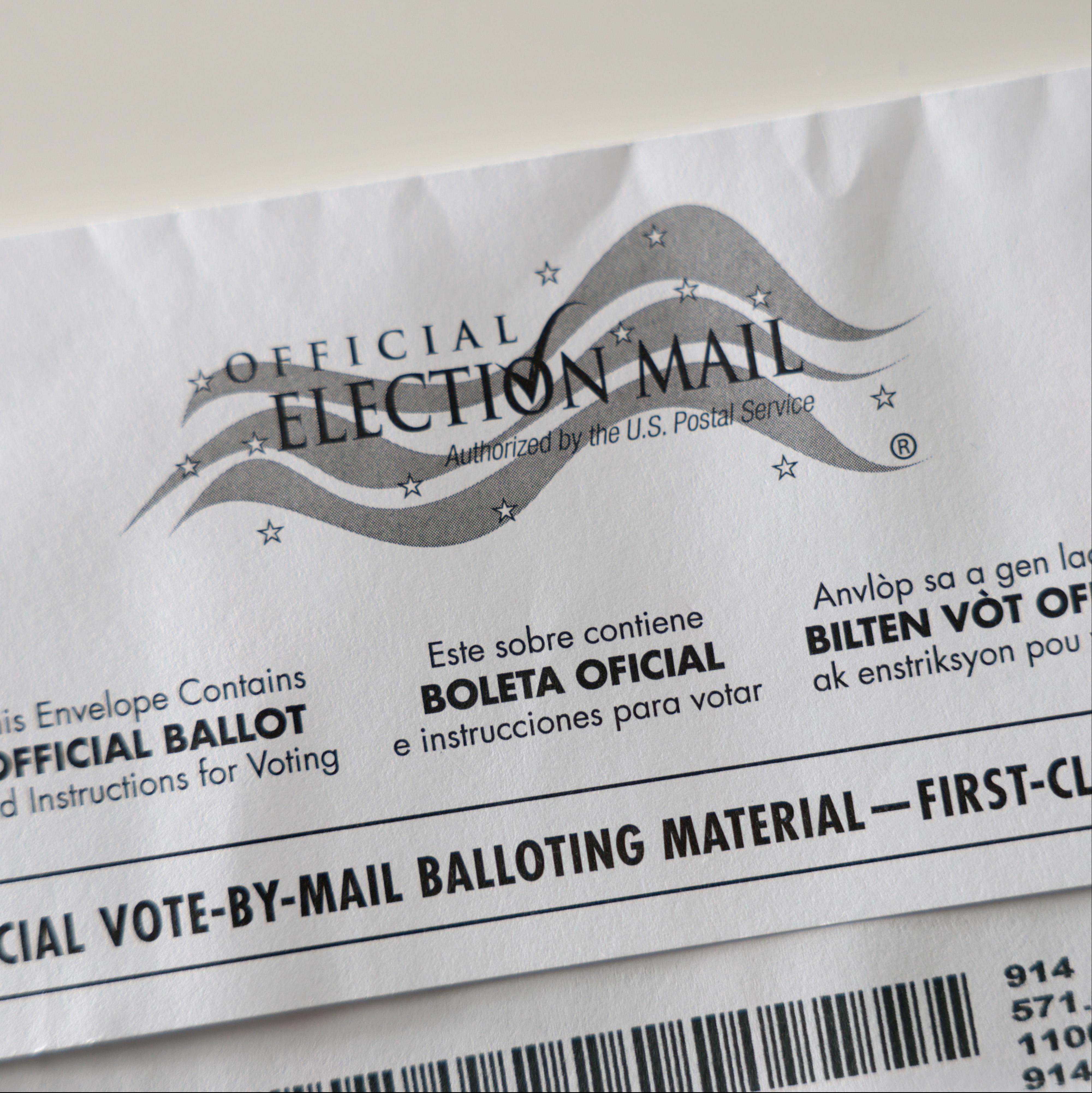
The elections of the 2020s highlighted the powerful effect of a polarized national climate. In the 2020 presidential election, North Dakota saw 63.1% of its eligible voters cast a ballot. By the 2024 presidential election, that figure held remarkably steady at 63.1% again, nearly mirroring the national average of 64.1%. These numbers indicate that, despite its deep-red political leaning, the state is not insulated from the high-stakes feel of modern presidential contests that drive participation across the country. The era also saw shifts in how people voted. In 2020, over 50% of North Dakota voters cast their ballots by mail, a significant jump, before returning to a majority in-person model by 2022.
The 'No Registration' Factor
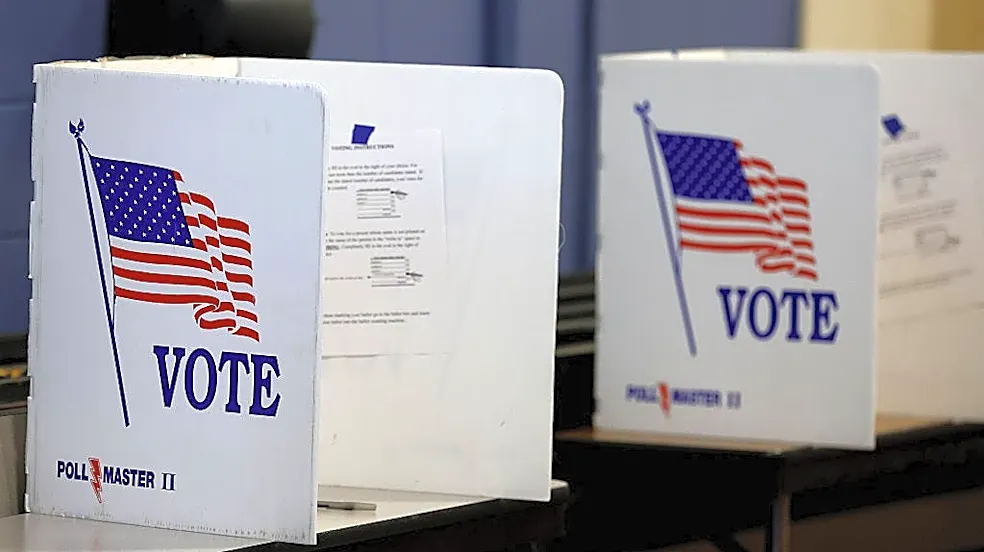
North Dakota's most defining electoral feature is its status as the only state without voter registration. Since 1951, any eligible citizen who has been a resident for 30 days can vote simply by presenting a valid ID with their current address and birth date at their polling place. Originally based on the idea that in a rural state, poll workers would recognize their neighbors, the system has endured despite multiple legislative attempts to change it. Proponents argue it lowers barriers to voting and saves money, while critics note the state's turnout isn't always stellar. The state maintains a central voter file, updated by various state agencies, which functions similarly to automatic voter registration systems elsewhere, ensuring rolls are kept clean without placing the burden on the citizen.