
A Political Perfect Storm
The year was 1986, and a unique situation was brewing in Hawaii's 1st congressional district. Incumbent Representative Cecil Heftel resigned his seat to run for governor, triggering a special election
to fill the rest of his term. The complication? The special election was scheduled for the exact same day as the regularly scheduled primary election for the next full term. Voters would have to cast two separate ballots for the same office, a recipe for confusion that set the stage for a memorable political showdown. The key players were Democrats Neil Abercrombie, a fiery and outspoken state senator, and Mufi Hannemann, a younger, ambitious political newcomer. On the Republican side was Pat Saiki, a well-regarded politician hoping to break through in the heavily Democratic state.
Two Elections, One Bizarre Outcome
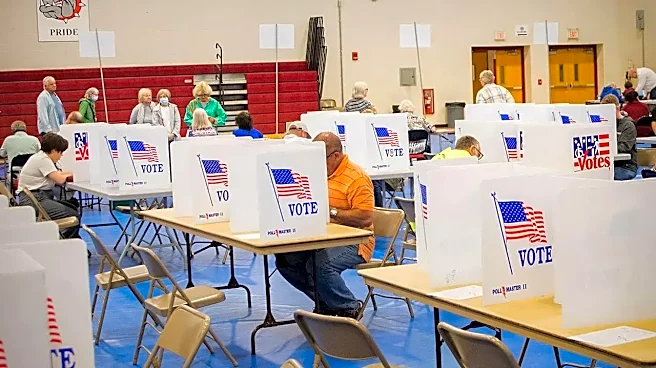
On September 20, 1986, voters went to the polls and delivered a split decision of historic proportions. In the special election to serve the final months of Heftel's term, Neil Abercrombie eked out a victory over Pat Saiki by just 964 votes—42,031 to 41,067. But in a bizarre twist, Abercrombie lost the other election held that day. In the Democratic primary for the full two-year term starting in 1987, he was defeated by Mufi Hannemann. This created the strange scenario where Abercrombie won the right to serve in Congress for a few months but was simultaneously rejected by his own party for the term immediately following. The voter confusion was real; candidates ran ads reminding people to 'vote twice,' but the split result showed just how unpredictable the situation was.
A Congressman for 105 Days
Neil Abercrombie was sworn into the U.S. House of Representatives and served a brief but official term from September 1986 to January 1987. Meanwhile, the general election for the full term moved forward without him. Pat Saiki, the Republican who had narrowly lost the special election to Abercrombie, went on to defeat Mufi Hannemann in the November general election. So, in the span of just a few months, Hawaii's 1st district was represented by Heftel, then Abercrombie, and then Saiki. While other elections in U.S. history have been decided by even smaller margins, the 1986 Hawaii special election is legendary for its unusual circumstances and the political head-scratcher it produced. The final vote count was so tight it underscored just how much every single ballot matters in a divided electorate.
The Aftermath and Enduring Legacy
The chaotic 1986 election was not the end of the road for its main characters. After his short stint in Washington, Abercrombie served on the Honolulu City Council before successfully running for the same congressional seat again in 1990, this time holding it for two decades before being elected Governor of Hawaii in 2010. Pat Saiki served two terms in Congress, becoming the first Republican to represent Hawaii in the U.S. House since statehood. The election remains a classic case study in the quirks of election law and the unpredictable nature of politics. It serves as a potent reminder that elections are not just about who wins, but how, and under what circumstances. For a few wild months in 1986, Hawaii provided one of the most compelling answers in American political history.