





The Era of Democratic Dominance
Entering the 1990s, Michigan’s Senate seats were firmly in Democratic hands. Carl Levin, a political giant, began the decade with a commanding re-election victory in 1990 over Bill Schuette. Levin, first elected in 1978, became an institution in Michigan politics, known for his detailed policy work and quiet authority. He and his colleague, Donald Riegle Jr., represented the state’s strong union ties and traditional Democratic base. Levin's success in 1990, following a tough race in 1984, solidified his position and signaled a period of stability for the party. This era reflected a Michigan where Democratic control of statewide federal offices felt like the natural order, built on a coalition of auto workers, urban centers, and suburban liberals.
A Republican Interruption
The Democratic grip loosened dramatically in 1994. Amid a national 'Republican Revolution,' Michigan was not immune. When Senator Don Riegle retired, the open seat became a prime target. Republican Spencer Abraham, a former state party chair, defeated Democratic Congressman Bob Carr to win the seat. This was a significant victory for the GOP, marking the first time they had won a Senate race in Michigan in over two decades. Abraham’s win was a shock to the system, proving that the state’s Democratic foundation was not impenetrable. Though he was a one-term senator, his victory was a crucial chapter, demonstrating Michigan's burgeoning potential as a swing state and foreshadowing the competitive battles to come.
The Stabenow-Levin Powerhouse
The Republican hold was short-lived. In 2000, Debbie Stabenow, then a U.S. Representative, challenged and narrowly defeated incumbent Spencer Abraham. Her victory, making her the first woman from Michigan elected to the U.S. Senate, was a landmark moment. This win ushered in a new, powerful Democratic duo. For more than a decade, the team of Stabenow and Levin held both of Michigan's Senate seats, winning their subsequent re-elections in 2002, 2006, 2008, and 2012 by comfortable margins. This period restored the sense of Democratic strength in the state's federal representation, even as the political ground beneath their feet was gradually shifting.
A New, Hyper-Competitive Era
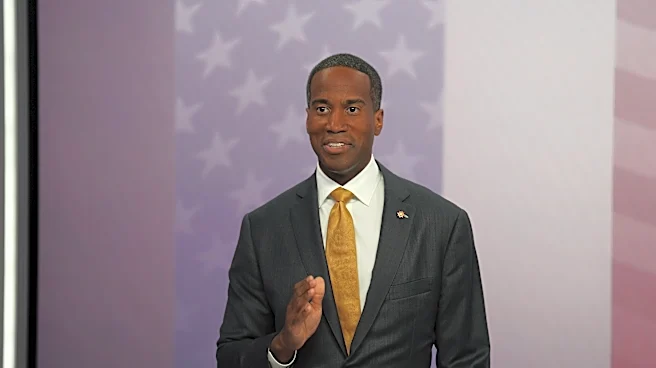
When Carl Levin retired in 2014, it marked the end of an era. Democrat Gary Peters won the open seat, but the landscape had changed. The state was now firmly in the national spotlight as a purple battleground. This became intensely clear in the races against Republican challenger John James. James first ran a close race against Stabenow in 2018, her tightest contest in years. He then mounted an even more formidable challenge against Peters in 2020, a race that was among the most expensive and competitive in the nation. Peters ultimately won, but by a narrow margin that underscored the state's deep political divisions. These hard-fought victories for Democrats showed that Michigan Senate seats are no longer safe bets but trophies to be won in bruising, expensive fights.