





The Presidential Election Magnet
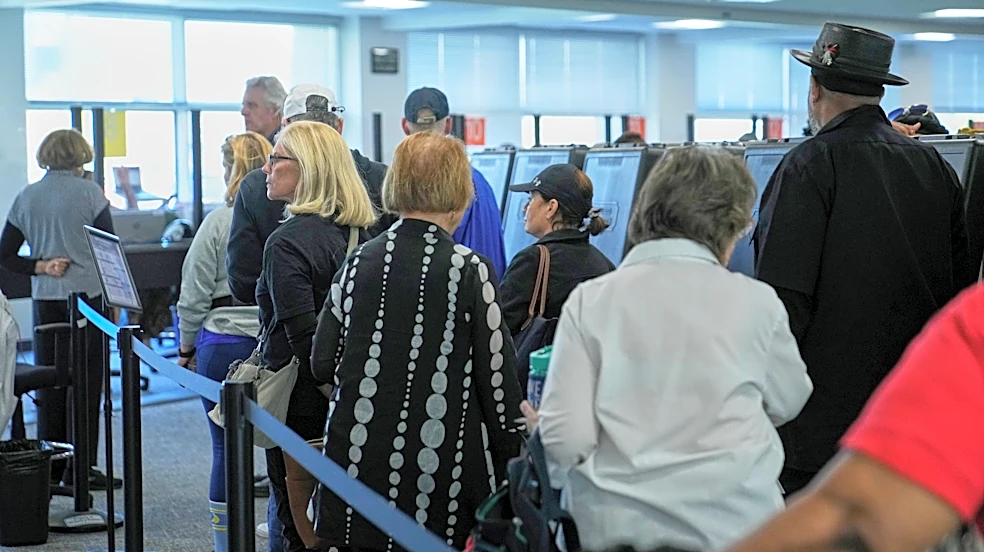
Presidential elections consistently bring Mississippians to the polls in the largest numbers. This trend, which is visible across the United States, is particularly pronounced in the state. In 2020, a highly contentious presidential race saw 60.6% of eligible voters cast a ballot. Looking back, this fits a long-standing pattern. The 2008 election, a historic contest, also saw a significant surge in participation. The appeal of a national, top-of-the-ticket race galvanizes voters in a way that other elections do not. Even in 2024, turnout for the general election settled at 57.8%, a figure substantially higher than any recent midterm election, though slightly below the 2020 peak. These high-water marks are almost always tied to the intense media
focus, candidate charisma, and perceived high stakes of choosing the nation's leader.
The Midterm Slump
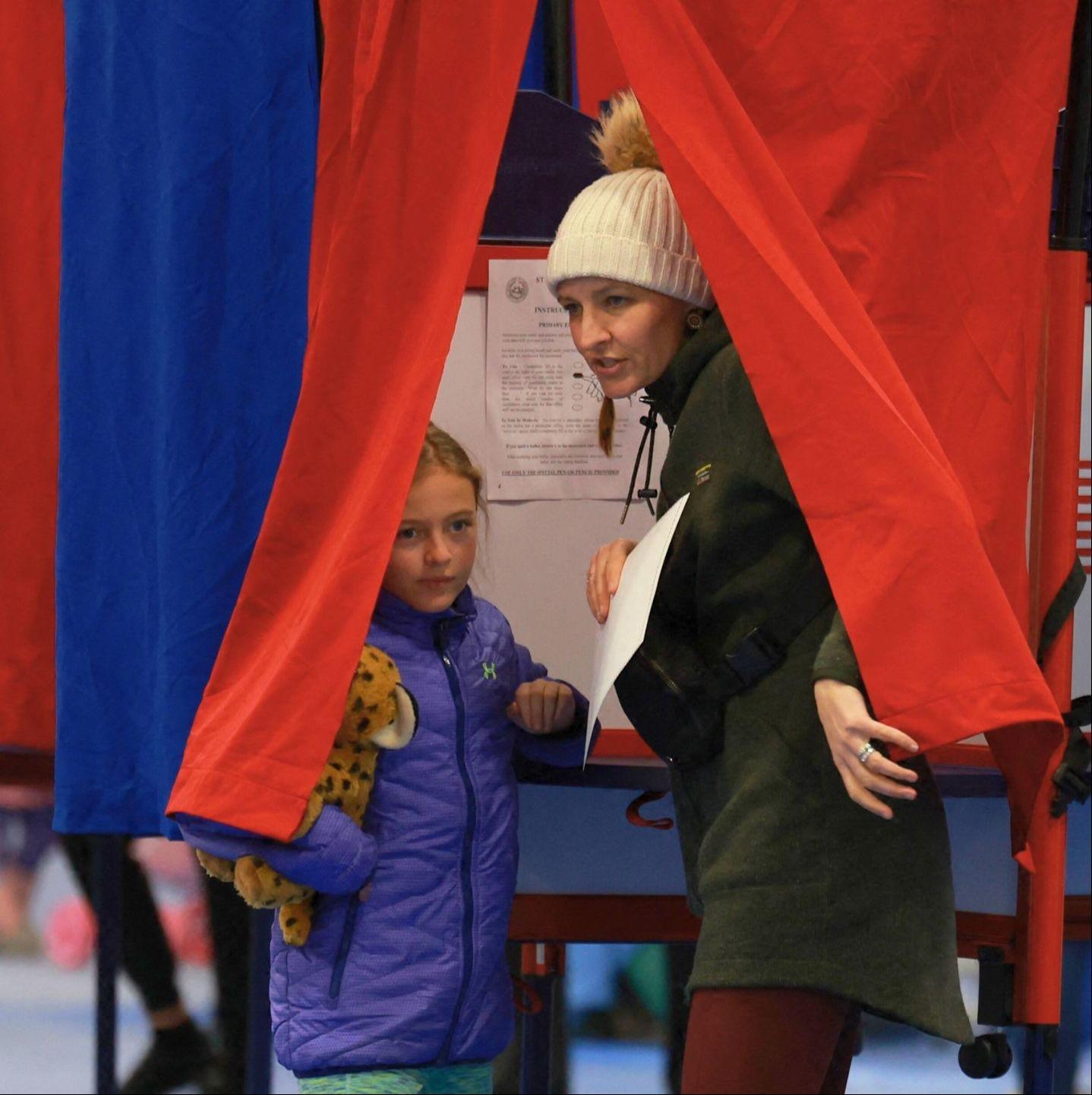
If presidential years are the peak, midterm elections represent the valley. The drop-off in voter participation is stark and predictable. For instance, after the high of the 2020 presidential election, turnout in the 2022 midterms plummeted to just 32.5% of eligible voters. This wasn't an anomaly. This dramatic dip has been the rhythm of Mississippi's electoral cycle for decades. Without a presidential candidate at the top of the ballot to generate enthusiasm and media attention, many voters stay home. These midterm contests, which decide all U.S. House seats and a third of the Senate, often struggle to capture the public's imagination, resulting in an electorate that is typically smaller and often older than the one that turns out for presidential races.
A Three-Decade Perspective
Zooming out to view the entire 1990-2024 period reveals that while the election-to-election fluctuations are large, the overall trends have been relatively stable. Mississippi's turnout consistently reflects national patterns, though often at a slightly lower rate. The average turnout for federal elections in Mississippi from 2002 to 2024 was 45.9%, compared to a national average of 52.4%. The data shows that the highest participation rates of the modern era occurred in the presidential elections of 2008, 2016, and 2020. Conversely, midterm turnouts have rarely crested 40%. The consistency of this pattern suggests that structural factors, rather than the specifics of any single election, are the primary drivers of participation levels in the state. Factors like voter registration laws, the competitiveness of races, and long-term demographic trends all play a role in shaping these outcomes.
What the Numbers Tell Us
The story of Mississippi's voter turnout is one of two distinct electorates. One is large, engaged, and activated every four years by the drama of a presidential contest. The other is smaller, more selective, and shows up for midterm elections. While 2020 saw a record number of votes cast, breaking the previous record from 2008, the state still faces a challenge in sustaining that level of engagement in non-presidential years. The gap between presidential turnout (hovering near 60%) and midterm turnout (closer to 30-35%) is not just a statistic; it reflects a fundamental challenge for civic engagement. It means that the officials chosen in midterm years are selected by a much smaller and less representative slice of the population, profoundly impacting governance at both the state and federal levels.