
The Presidential Election Effect
The most powerful force driving voter turnout in any election is the name at the top of the ticket. In Ohio, as in the rest of the country, far more people vote when a president is being chosen. For Senate
candidates, this is the single biggest factor determining the size of the electorate they face. For instance, the 2024 election saw a robust turnout of 65.4% of eligible voters, a high-stakes environment where the presidential race fuels engagement down the ballot. Compare that to the 2022 midterm election, where turnout was a more modest 47.1%. This boom-and-bust cycle is the fundamental backdrop of American politics. Presidential years bring out a wider, more diverse, and less consistently engaged slice of the electorate, while midterms are often dominated by a smaller, more motivated, and more partisan group of voters.
Midterm Slumps and Surges
While midterm elections consistently see lower turnout than presidential cycles, not all are created equal. These off-year contests are often viewed as a referendum on the sitting president, and a surge in opposition energy can sometimes boost participation. In Ohio, midterm turnout for Senate races has ebbed and flowed. The 2018 election, for example, saw incumbent Sherrod Brown re-elected in a year marked by a national 'blue wave' of Democratic enthusiasm against the Trump administration. Conversely, years without a highly competitive race or a strong national narrative can lead to significant voter drop-off. These midterm electorates tend to be older, whiter, and more conservative than their presidential-year counterparts, a dynamic that profoundly shapes the kinds of campaigns candidates must run to win.
From Swing State to Leaning Red
For decades, Ohio was the quintessential swing state, and its Senate elections were fierce, marquee battles. As the saying went, 'As Ohio goes, so goes the nation'. This was largely because the state’s political and demographic makeup mirrored the country's. However, an analysis of voting patterns since 2000 shows a state that has become more reliably Republican. Turnout trends are intertwined with this shift. While higher turnout traditionally benefited Democrats by bringing more diverse and urban voters into the fold, recent elections have challenged that assumption. In 2016 and 2020, Donald Trump won Ohio convincingly, driven by massive turnout in rural and working-class counties that overwhelmed Democratic strongholds, even in high-turnout presidential years. This suggests the composition of the electorate, not just its size, has been the driving force behind the state’s political transformation.
The Candidates Who Moved the Needle
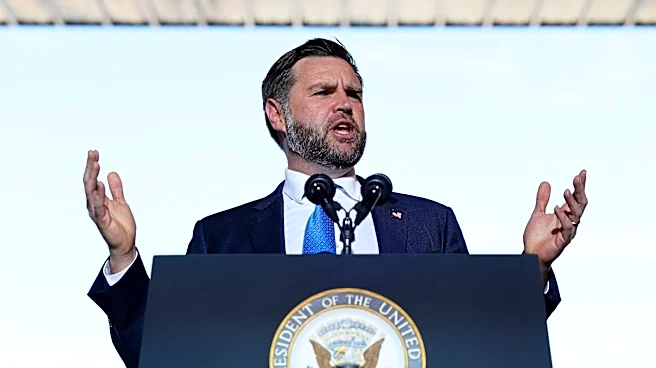
While broad trends tell much of the story, individual candidates and the issues of the day still matter. Highly charismatic or controversial figures can energize their bases and even persuade swing voters to show up when they might otherwise have stayed home. The 2012 race between incumbent Democrat Sherrod Brown and Republican Josh Mandel was an expensive and bitterly fought contest that occurred during a presidential re-election year, helping to drive engagement. Similarly, the 2022 race that saw J.D. Vance win the open seat vacated by Rob Portman was framed as a battle for the soul of the modern Republican party and the future of the industrial Midwest. These standout contests show that even within predictable turnout cycles, a compelling race can still have a significant impact on who decides to cast a ballot.