




The Razor's Edge of 1978
While tales of elections won by a single vote often circulate, the verifiable record points to the 1978 U.S. Senate race as one of the most intensely close federal elections in West Virginia's modern history. The contest pitted the incumbent Democrat, Jennings Randolph, a towering figure in state politics, against the formidable Republican challenger, Arch Moore, a popular former governor. After a hard-fought campaign, the dust settled on a margin that was breathtakingly slim. Out of nearly half a million ballots cast, Senator Randolph secured his victory by just 4,717 votes. His final tally was 249,034 to Moore's 244,317, a difference of about one percentage point. It was a nail-biter that underscored the deep divisions and fierce loyalties
that defined the state's political landscape.
A Battle of Titans
The 1978 election was more than just a close race; it was a clash of political dynasties and ideologies. Jennings Randolph had served West Virginia in Washington for decades, first in the House and then in the Senate, and was a key architect of major federal legislation. He was a classic New Deal Democrat whose legacy was intertwined with the state's development. Arch Moore, on the other hand, was a highly successful Republican in a traditionally Democratic state, having already served two terms as governor. His challenge represented a significant threat to the Democratic establishment. The campaign was a bruising affair, with both sides mobilizing their extensive networks of support across the Mountain State's 55 counties. The result was an electorate split almost perfectly down the middle, reflecting a state at a political crossroads.
Presidential Near Misses
While the 1978 Senate race holds the title for a remarkably close federal contest, several presidential elections have also seen tight results within the state. In 2000, as the nation focused on the recount in Florida, West Virginia was also a battleground. George W. Bush won the state over Al Gore, but the margin was a relatively slim 6.33%. Bush took 51.92% of the vote to Gore's 45.59%. This election was a pivotal moment, signaling West Virginia's shift from a reliably Democratic state in presidential politics to a Republican stronghold. Going back further, the 1988 election also saw a close race, though with a different outcome. Michael Dukakis lost the national election to George H.W. Bush but managed to carry West Virginia by a margin of less than five points, winning 52.2% to Bush's 47.46%.
The Recount Process
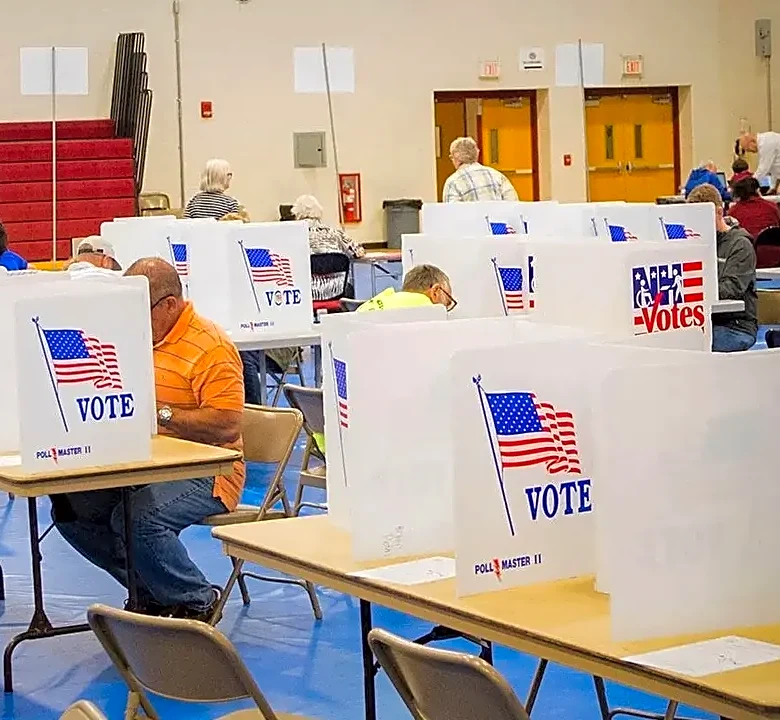
In elections as close as these, the conversation inevitably turns to recounts. In West Virginia, the process is not automatic, regardless of how narrow the margin is. A candidate must formally request a recount within 48 hours of the final county in the race certifying its results. The candidate who requests it must also front the cost by posting a bond. If the recount ultimately changes the outcome of the election, the bond is refunded. This system places the burden of challenging a close result squarely on the shoulders of the candidate, who must weigh the financial cost against the slim possibility of overturning the initial count. In the 1978 race, the margin, while small, was substantial enough that a recount was unlikely to bridge the gap of over 4,700 votes.