


Can a Dead Candidate Actually Win?
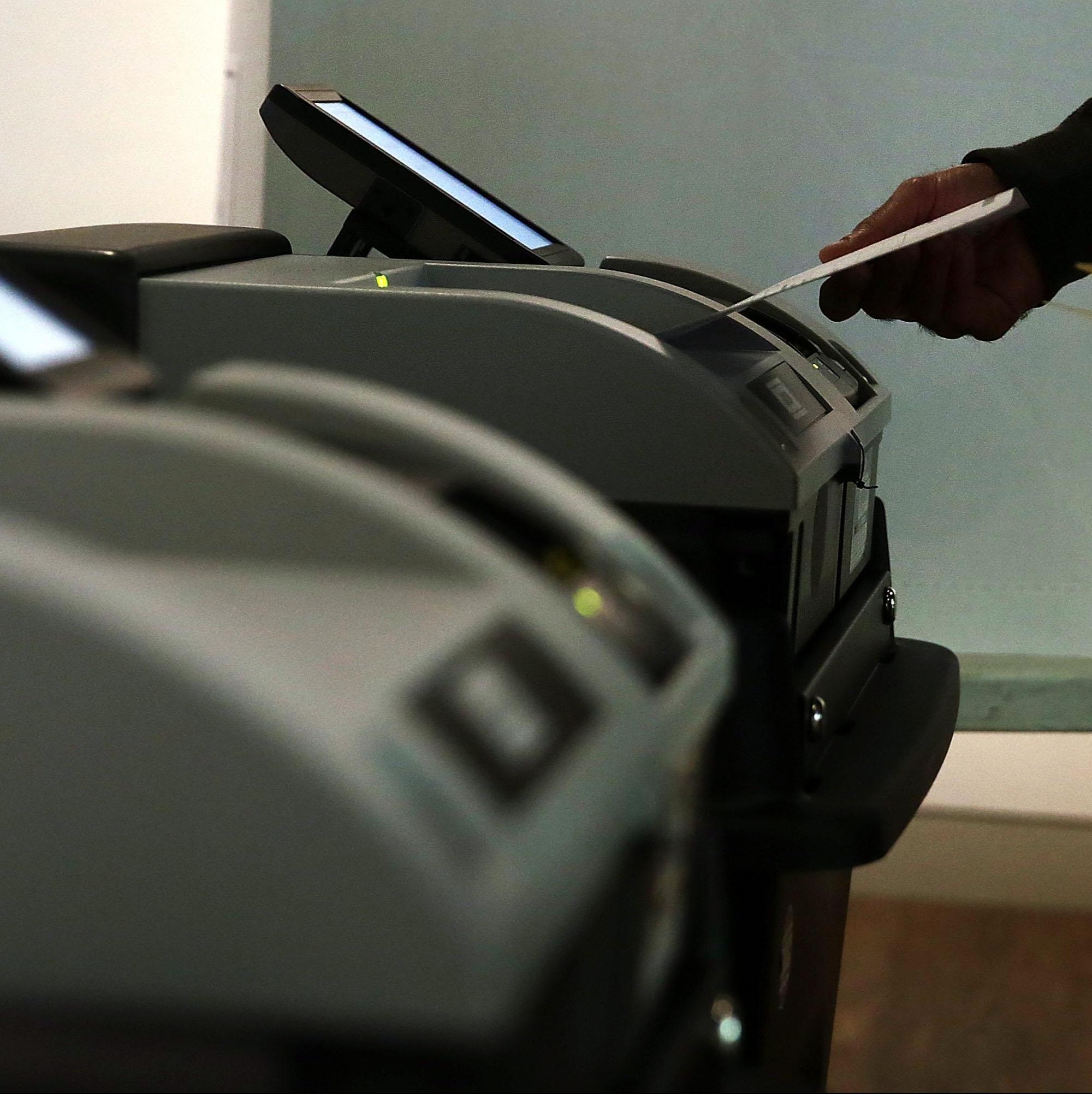
The short answer is yes. When a candidate dies close to an election, it's often too late to reprint millions of ballots and reprogram voting machines. State laws vary, but most dictate that if the deadline for changing the ballot has passed, the deceased candidate's name stays. From a logistical standpoint, the election proceeds as if nothing happened. Voters can still cast their ballots for the deceased individual, and those votes are counted. This can lead to a situation where a candidate who is no longer alive receives enough votes to win the office outright. This isn't a glitch; it's often a deliberate feature of election law designed to maintain stability in the final, frantic weeks of a campaign.
So, a Ghost Goes to Washington?
Not exactly. If a deceased candidate wins,
they can't, for obvious reasons, take the oath of office. Instead, their victory creates an immediate vacancy. How that vacancy is filled depends on the office and the specific state or local laws. For a U.S. Senate seat, the state's governor typically appoints a replacement to serve until a special election can be held. For the House of Representatives, a special election is usually required to fill the seat. Sometimes, this process is telegraphed to voters ahead of time. A party might announce that if their deceased candidate wins, a specific person—often the candidate's spouse—will be appointed to the vacant seat, turning the vote into a proxy decision.
Famous Posthumous Victories
This scenario has played out in some very high-profile races. Perhaps the most famous example is the 2000 Missouri Senate election. Governor Mel Carnahan, a Democrat, was killed in a plane crash just three weeks before Election Day. His name remained on the ballot, and he went on to defeat the incumbent, John Ashcroft. As promised, the new governor appointed Carnahan's widow, Jean Carnahan, to serve in his place. Similarly, in 2002, Hawaii Congresswoman Patsy Mink died shortly after winning her primary, making it too late to change the general election ballot. She was posthumously re-elected to Congress with overwhelming support, and a special election was held later to fill her vacant seat. In 1972, two congressmen, Hale Boggs of Louisiana and Nick Begich of Alaska, disappeared in a plane crash while campaigning together. Both won their elections weeks later, while search efforts were still underway.
Why Voters Choose a Deceased Candidate
Voting for someone who has passed away might seem counterintuitive, but it can be a strategic political move. In many cases, voters are fully aware the candidate is deceased. They may be expressing loyalty to that candidate's party or ideals. Often, it's a vote against the other living candidate. By electing the deceased person, voters trigger a vacancy that will be filled by their preferred party, which they see as a better outcome than electing the opposition. In the case of Mel Carnahan, voters knew his wife would be appointed, and they chose that option over his opponent. It becomes a calculated choice to ensure the party, not necessarily the person, holds power, demonstrating a fascinating, if grim, aspect of party-line voting and political strategy.