


The Battleground Years: The 1990s
The early 1990s represented a period of high political stakes and relevance for Tennessee on the national stage. The presence of native son Al Gore on the Democratic presidential ticket in 1992 and 1996 undoubtedly fueled voter interest. In those years, Tennessee was a genuine swing state, courted by both parties, which often translates to higher voter engagement. When voters believe their participation can directly influence a close outcome, they are more motivated to head to the polls. This era saw Tennessee vote for the winning Democratic ticket in both '92 and '96, reflecting a state where both parties felt they had a fighting chance. This competitive environment fostered a sense of civic importance that would begin to change dramatically
by the turn of the century.
The Midterm Slump
A consistent theme in Tennessee's voting story is the significant drop-off in participation during midterm elections. This isn't unique to Tennessee, as midterm turnout is almost always lower than in presidential years across the U.S. However, the state has often found itself near the bottom of national rankings. For example, in the 2022 midterms, Tennessee's turnout of eligible voters was a mere 33.3%, well below the national average of 46.2%. This chronic apathy in non-presidential years has profound consequences, as it's these elections that decide governorships, state legislative control, and congressional seats that directly impact Tennesseans' daily lives. The lack of competition in many districts, where more than half of legislative races went uncontested in a recent midterm, is a major contributing factor to this trend.
A Hard Turn to Red
The 2000 presidential election was a pivotal moment. Despite Gore being the Democratic nominee, he narrowly lost his home state, signaling a fundamental political shift. Since that election, Tennessee has voted Republican in every presidential contest. This transition from a purple battleground to a reliable red state had a complex effect on turnout. As Republican dominance grew and the state GOP gained a supermajority in the legislature, the general elections became less competitive. This lack of competition can suppress voter motivation. When the outcome feels predetermined, the incentive to vote diminishes for people on both sides. Former Senator Lamar Alexander noted that beginning in 2008, Tennessee effectively became a one-party Republican state, ending decades of two-party competition.
The 2020 Anomaly and Systemic Hurdles
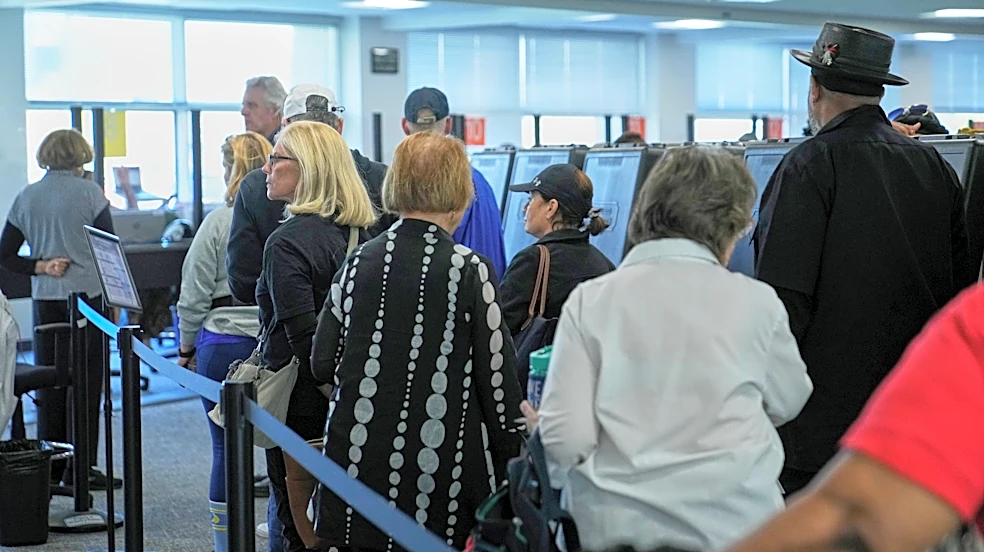
The 2020 presidential election broke recent trends, not just in Tennessee but nationwide. Driven by intense national polarization, Tennessee saw a record number of voters cast ballots, with turnout among registered voters hitting 69.3%. For the first time in at least two decades, every single one of Tennessee's 95 counties saw an increase in turnout over the previous presidential election. This surge, however, occurred against a backdrop of what critics call significant systemic barriers to voting. Tennessee consistently ranks among the worst states for voting access, with strict photo ID laws, a complex rights-restoration process for former felons, and a lack of automatic or same-day voter registration—all policies that studies show disproportionately impact voters of color.
The Picture in 2024
The 2024 presidential election saw turnout in Tennessee settle back from its 2020 peak. Approximately 3.08 million Tennesseans, or 57.6% of eligible voters, participated in the November 5 election. While this represented a record in terms of the raw number of votes cast, the rate was lower than the 2020 surge and below the 2024 national average of over 63%. This figure suggests that while the state's population is growing, its level of civic engagement remains a persistent challenge. The state's political landscape remains firmly Republican, with Donald Trump winning the state handily. The data from 1990 to 2024 paints a clear picture: as Tennessee's political competitiveness has waned, so too has its relative voter participation, punctuated only by moments of intense national focus.