





The Stage for a Showdown
The year was 1996, and the battleground was Pennsylvania's 13th congressional district, a politically diverse suburban stretch of Montgomery County outside Philadelphia. The race pitted two familiar foes against each other. The incumbent was Jon D. Fox, a freshman Republican who had ridden the 'Republican Revolution' wave into office in 1994. His challenger was Democrat Joseph M. Hoeffel, a former state legislator and county commissioner whom Fox had narrowly defeated two years prior. Their rematch was expected to be tight, but no one could have predicted just how close it would become, embodying the fierce partisan competition that defined the era.
An Election Night Cliffhanger
As polls closed on November 5, 1996, the vote-counting began. Across the district, returns trickled
in, showing a race that was effectively a statistical tie. By the next morning, with nearly 250,000 votes tallied, Jon Fox was ahead by a razor-thin margin. The initial count was so close that it immediately triggered a mandatory recount. Newspapers printed headlines with question marks, and for the residents of the 13th district, the election was far from over. Both campaigns quickly dispatched lawyers and observers to monitor the process, understanding that a single misplaced ballot could determine the winner.
The Agony of the Recount
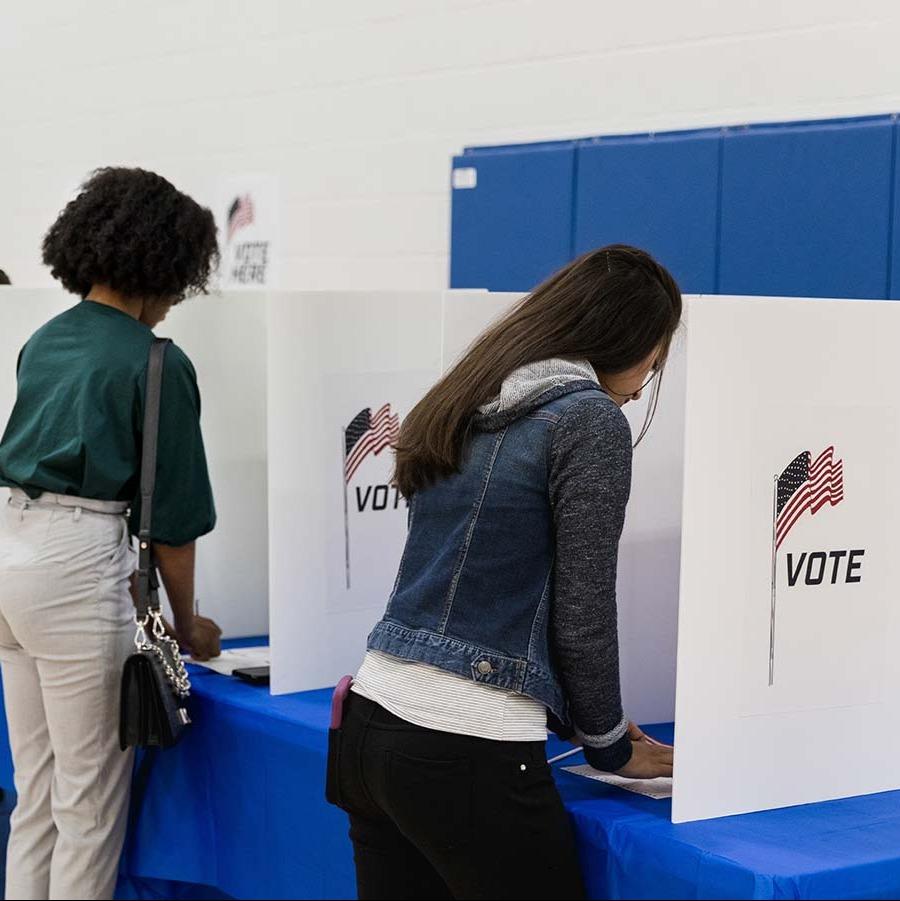
What followed was a painstaking, weeks-long ordeal. Election officials, under intense scrutiny, began the arduous task of re-examining every single ballot. The focus turned to the absentee and provisional ballots, which often decide incredibly close contests. Each one was examined for voter intent, signature matches, and compliance with state law. Lawyers for both the Fox and Hoeffel campaigns challenged dozens of individual ballots, arguing over stray marks, questionable signatures, and whether a voter's intent was clear. The process dragged on through Thanksgiving, turning a political contest into a grinding legal war of attrition fought one ballot at a time in county offices.
A Verdict by Just 84 Votes
Finally, after weeks of recounts, legal arguments, and court rulings, a final, certified tally was announced. Republican Jon D. Fox was declared the winner, defeating Democrat Joseph Hoeffel by a mere 84 votes. Out of 247,434 ballots cast, the final margin was an infinitesimal 0.034%. While other elections in American history have been closer—some even decided by a single vote—the Fox-Hoeffel contest remains a benchmark for a major federal election in a large district being decided by a handful of ballots. Hoeffel conceded, and Fox returned to Washington for his second term.
The Aftermath and Lingering Lessons
The story didn't end there. Two years later, in 1998, Joe Hoeffel ran against Jon Fox for a third time. This time, buoyed by a different national mood and his near-win in 1996, Hoeffel won decisively, finally unseating his rival. The 1996 race, however, left a lasting legacy in Pennsylvania. It became a powerful, real-world lesson for both parties on the importance of get-out-the-vote efforts and the critical need for election oversight. For voters, it served as a stark and unforgettable reminder that in the complex machinery of American democracy, a single voice—and a single vote—can echo through history.