
The Last Democratic Titans
In 1990, the idea of a Republican Senator from West Virginia seemed almost unthinkable. The state's political landscape was dominated by two Democratic giants: Robert C. Byrd and Jay Rockefeller. Byrd,
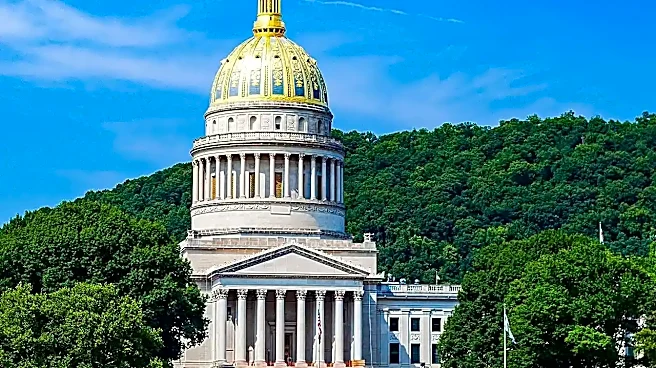
first elected to the Senate in 1958, was a master of legislative procedure and federal appropriations, steering billions to his home state. Rockefeller, a member of a famous Republican family, ran as a Democrat and won the governorship before his 1984 election to the Senate. Throughout the 1990s, their power was absolute. Rockefeller won re-election in 1990 and 1996 with overwhelming margins, a testament to a political machine built on labor union support and a deep connection to the state's working-class identity. For decades, West Virginia's Senate seats were a locked-down Democratic institution.
The First Cracks in the Blue Wall
The ground began to shift in 2000. That year, Republican George W. Bush won the state in the presidential election, a surprising victory that signaled a growing disconnect between West Virginians and the national Democratic Party. While Byrd and Rockefeller remained personally popular, the national brand was becoming toxic. Cultural issues and a perception that Democrats were hostile to the coal industry started to erode lifelong loyalties. In 2000, Shelley Moore Capito, daughter of a popular former Republican governor, won a seat in the U.S. House. Her victory was a harbinger, proving a Republican with the right name and message could win. Though the state's Senate seats remained blue for another decade, the foundation was cracking.
A Republican Takes Over
The tipping point came in 2014. After Jay Rockefeller announced his retirement, the race for his open seat became a national focal point. Shelley Moore Capito, by then a seasoned congresswoman, ran against Democratic Secretary of State Natalie Tennant. Capito's victory was decisive; she won every single county in the state. It was a landmark moment, making her the first Republican to win a Senate seat in West Virginia since 1956 and the first woman ever to do so. Her win wasn't just a personal victory; it marked the GOP's takeover of the state's federal identity. In that same cycle, Republicans captured both chambers of the state legislature for the first time since the 1930s. The blue wall had crumbled.
The Last Democrat Standing
As the state turned a deeper shade of red, one Democrat managed to hold on: Joe Manchin. First elected in a 2010 special election following the death of Robert Byrd, Manchin cultivated a unique political brand. He presented himself as a West Virginian first and a Democrat second, often publicly disagreeing with his party's national platform, particularly on energy and environmental policy. This delicate balancing act allowed him to survive. In 2018, as President Trump's approval in the state soared, Manchin narrowly won re-election against Republican Patrick Morrisey, securing just under 50% of the vote. His victory was a remarkable feat of political survival, proving he was the exception to the state's new Republican rule.
The End of an Era
The final chapter of West Virginia's Democratic Senate representation came to a close when Joe Manchin announced he would not seek re-election in 2024. His departure all but guaranteed the seat would flip. Republican Governor Jim Justice, a popular figure in the state, easily won the election, giving West Virginia two Republican senators for the first time in generations. Manchin himself later left the Democratic party to become an independent, a symbolic end to his long career navigating the state's political transformation. His exit solidified West Virginia's status as a GOP stronghold, completing a three-decade journey from one end of the political spectrum to the other.