


The Modern Presidential Highs
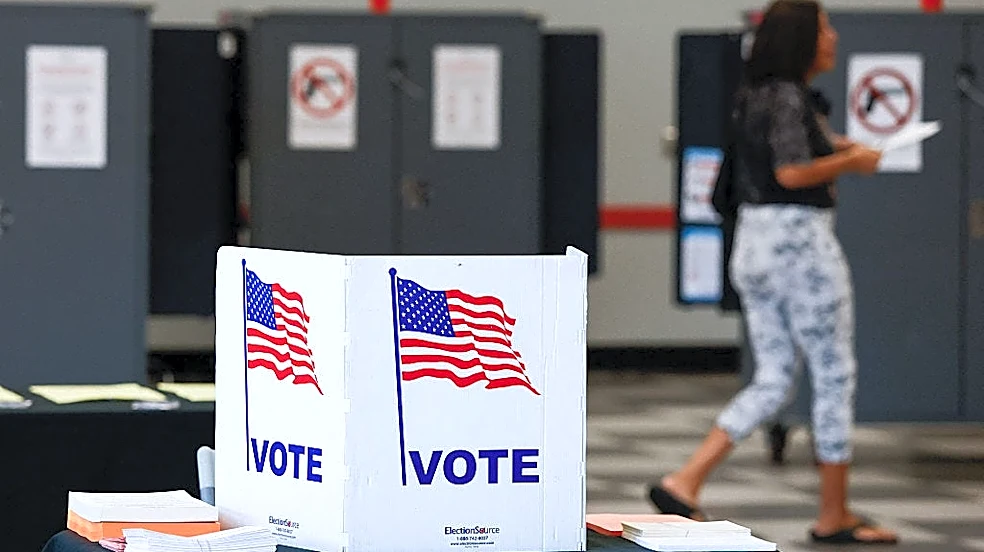
When it comes to presidential elections, New Hampshire consistently sets a high bar for voter participation. The state's recent history showcases several moments of peak electoral engagement, driven by its battleground status and a politically active populace. In the 2024 general election, turnout reached an impressive 74.1% of the state's eligible voters. This continued a trend of robust participation seen in other high-stakes presidential contests, such as in 2020, when turnout was around 74%. Back in 2008, another competitive presidential election, turnout of the voting-age population hit 70%. These figures don't just happen by accident. They are the result of a perfect storm of factors. Highly competitive races, where every vote feels like
it could tip the scale, galvanize voters. Furthermore, the state’s famous 'First in the Nation' primary cultivates a population that is exceptionally engaged and informed about political issues long before the general election season even begins.
The Midterm Troughs
While presidential years see a surge of voters heading to the polls, midterm elections often tell a different story. This national trend of lower participation in non-presidential years is also evident in New Hampshire, creating some of the state's modern records for lower turnout. The 2006 midterm election stands out as a significant example of this drop-off, with turnout recorded at just 40% of the voting-age population. This figure is dramatically lower than the numbers seen in presidential cycles just two years before or after. Other midterms show a similar, if less severe, pattern. For instance, the 2022 midterms saw a turnout of 56.3% of eligible voters. While that number is still respectable compared to many other states, it represents a nearly 18-point drop from the presidential election just two years prior. This slump is typically attributed to lower media attention, the absence of a high-profile presidential race to anchor the ballot, and a general decrease in voter enthusiasm when the White House is not at stake.
The Same-Day Registration Effect
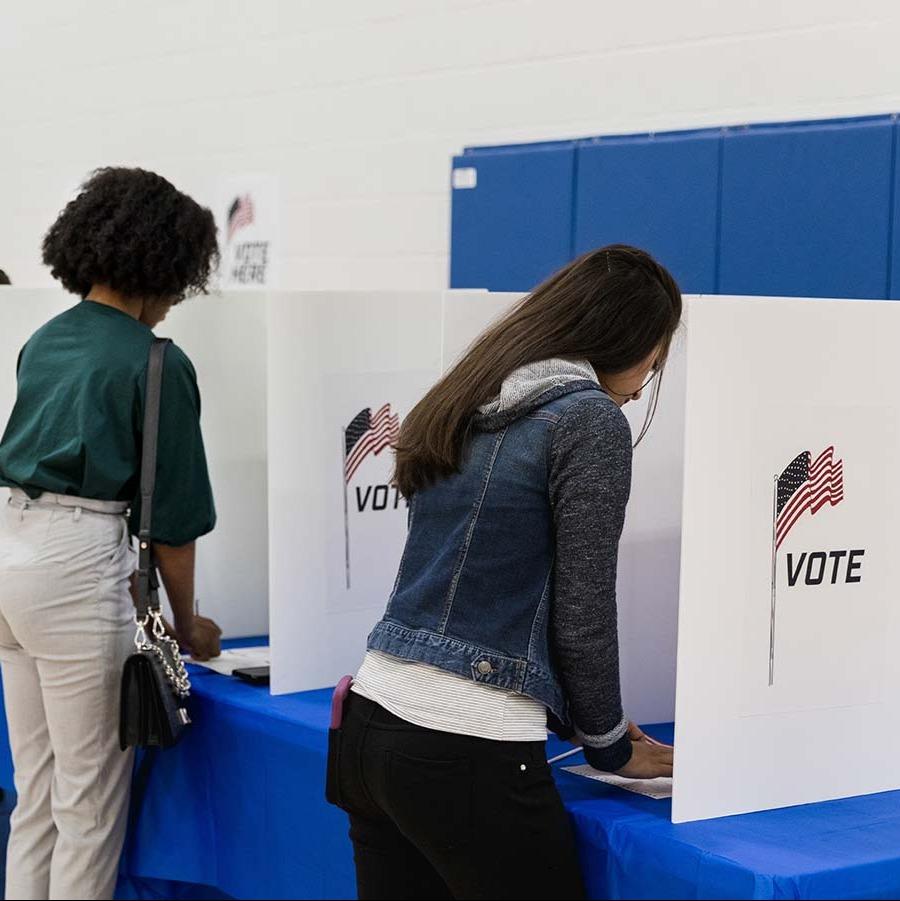
One of the most significant factors influencing New Hampshire's high turnout ceiling is its embrace of same-day voter registration. This system allows any eligible resident to register to vote at their polling place on Election Day and immediately cast a ballot. This policy serves as a crucial safety net, ensuring that citizens who have recently moved, are first-time voters, or may have missed an arbitrary registration deadline are not disenfranchised. The impact is particularly noticeable among younger voters. In the 2022 midterms, for example, a remarkable 64% of 18-year-olds who voted did so by registering on Election Day itself. By removing a key bureaucratic hurdle, same-day registration empowers thousands of Granite Staters to participate, significantly boosting the overall turnout numbers and helping the state consistently rank near the top for voter participation nationwide.
A Note on Historical Records
While the records from the 21st century are clear, pinpointing the single highest and lowest turnout percentages in New Hampshire's entire history is a more complex task. Reliable, digitized election data from the early-to-mid 20th century is less accessible, and direct comparisons can be misleading. The method for calculating turnout has evolved, with experts now favoring the 'voting-eligible population' (VEP) over the broader 'voting-age population' (VAP) to provide a more accurate picture by excluding non-citizens and ineligible felons. The VAP was the standard for older data, making apples-to-apples comparisons with modern VEP-based statistics difficult. Therefore, while we can confidently identify the modern extremes, the all-time records remain a topic for deeper historical research. What is clear, however, is that New Hampshire's tradition of high voter engagement is a long and enduring one.