



The Pre-Polarization Era: 1990-1998
The 1990s established a familiar rhythm in Rhode Island's voting patterns: a significant surge for presidential contests and a predictable drop-off during the midterms. The decade kicked off with the 1990 midterm, setting a baseline for non-presidential year engagement. But it was the 1992 presidential election, a three-way race between Bill Clinton, George H.W. Bush, and Ross Perot, that truly energized voters, pushing turnout to high levels. According to state records, turnout in 1992 was a robust 76%. This was followed by a quieter but still strong showing for Clinton's re-election in 1996. Throughout this period, the gap between presidential and midterm turnout was pronounced, reflecting a national trend where local and congressional races
struggled to capture the public's imagination with the same intensity as the race for the White House. This era serves as a benchmark for the more volatile trends that would emerge in the next century.
A New Century, A Nation Mobilized: 2000-2008
The new millennium ushered in an era of heightened political awareness, starting with the razor-thin 2000 presidential election. While the national drama centered on Florida, Rhode Island saw a 61% turnout for the contest between Al Gore and George W. Bush. Following the September 11th attacks, the political landscape shifted, and the 2004 election, fought in the shadow of the wars in Afghanistan and Iraq, maintained high engagement. However, the true turning point of the decade was 2008. The election of Barack Obama, fueled by a message of hope and change and a historic voter mobilization effort, saw Rhode Island's turnout surge to nearly 63%, one of its highest marks in recent history. This election demonstrated a powerful new capacity for grassroots and candidate-driven energy to drive exceptional numbers to the polls, particularly in a deep-blue state like Rhode Island.
An Era of Intensifying Division: 2010-2018
If the 2000s were about mobilization, the 2010s were defined by deepening political polarization. The 2010 midterms, marked by the rise of the Tea Party movement, saw a significant anti-establishment wave, though midterm turnout remained modest at around 45%. Presidential turnout dipped slightly in 2012 for Obama's re-election before the explosive 2016 contest between Donald Trump and Hillary Clinton. While the 2016 election's 60% turnout wasn't a record, it signaled the start of a new, intensely combative political reality. The most dramatic shift came in the 2018 midterms. Reacting to the first two years of the Trump presidency, turnout jumped to over 47%, a notable increase for a non-presidential year. This 'blue wave' election showed that midterm contests could now generate a level of urgency previously reserved for presidential races, a trend that would only accelerate.
The Modern Surge: 2020 to 2024
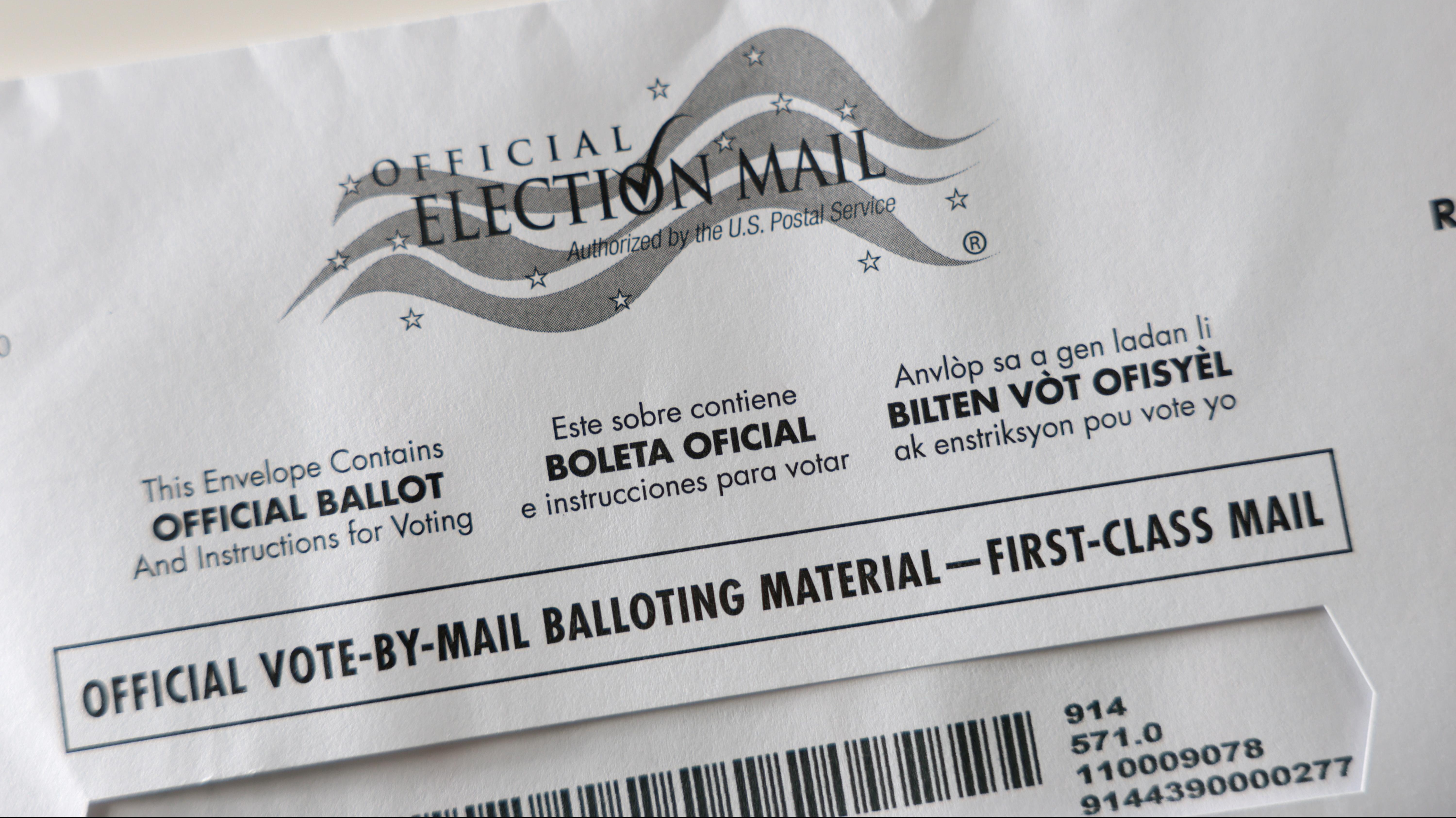
The period from 2020 to 2024 smashed modern turnout records. The 2020 presidential election, held amidst a global pandemic and intense political division, saw Rhode Island's turnout hit a remarkable 63.1%. This was facilitated by a massive expansion of mail-in and early voting options, which state officials noted were incredibly popular. Rather than receding, this high level of engagement largely held. The 2022 midterm turnout was a solid 43.6%, demonstrating a sustained interest in federal politics. In 2024, the presidential election again saw massive participation, with turnout reaching 63.3% of eligible voters. While Democrat Kamala Harris won the state, Donald Trump made it the closest presidential contest in Rhode Island since 1988, showing a competitive fire that likely drove engagement on both sides. This era cemented a new normal: in a deeply polarized America, every federal election feels like a high-stakes event.