


Recruitment in the 2026 Midterm Cycle
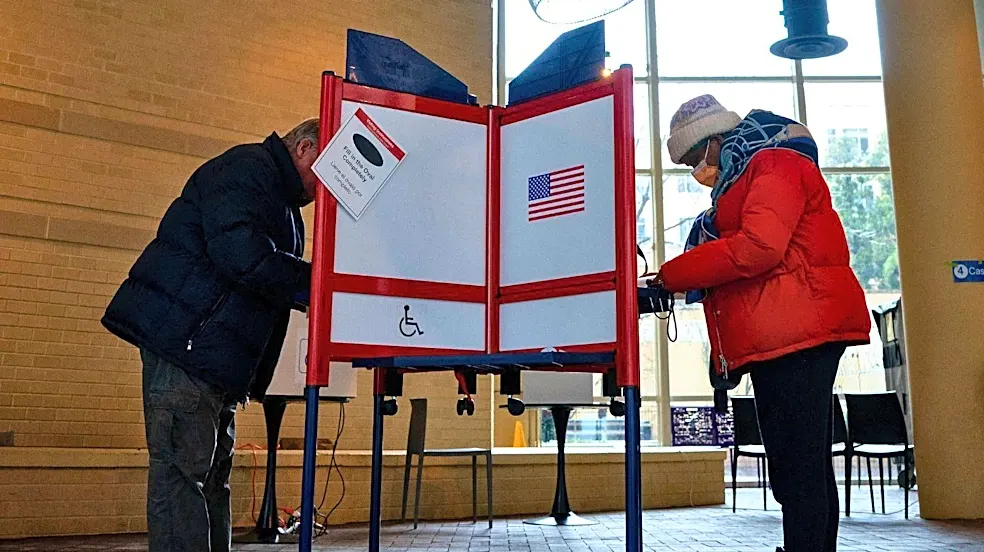
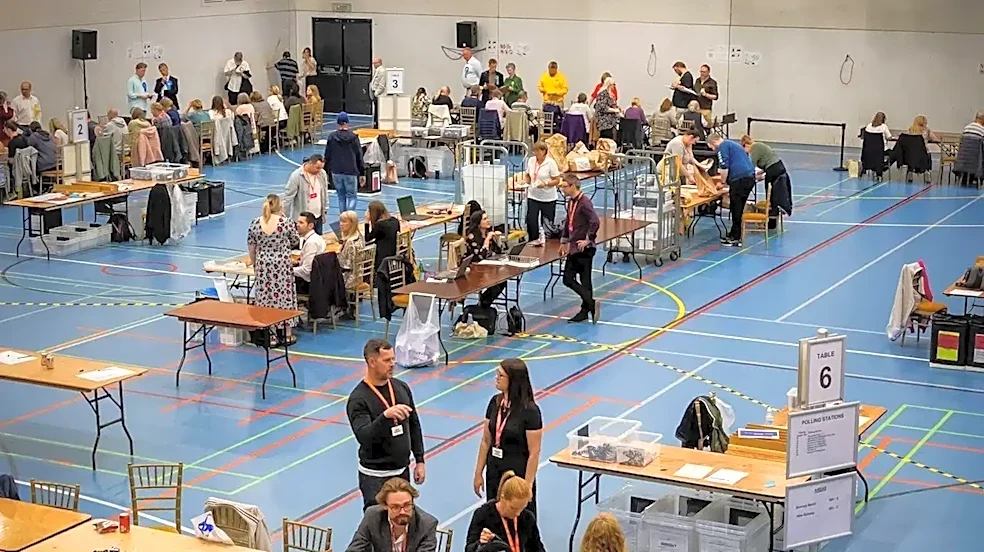
As the November 2026 midterm elections approach, initial data suggests a robust, if uneven, landscape for poll worker recruitment. Nationwide, advocacy groups and election officials report meeting or exceeding targets in many jurisdictions. Organizations like Power the Polls, which launched in 2020, have continued their efforts, contributing to a healthy pipeline of potential workers. However, these national success stories often mask localized shortages, particularly in rural counties and specific urban precincts. Officials in several states have noted that while the raw number of applicants is strong, the challenge lies in placing them where they are most needed and ensuring they complete the required training.
The Post-2020 Surge and Its Legacy
The 2020 presidential election
marked a watershed moment for poll worker recruitment. Faced with a crisis as the traditional, older volunteer base stayed home due to the COVID-19 pandemic, a massive national drive brought in a new, younger, and more diverse generation of poll workers. This surge largely prevented a widespread breakdown of in-person voting. Many of those first-time 2020 workers returned for the 2022 midterms and the 2024 presidential election, creating a more resilient base than existed pre-pandemic. This civic reflex, born out of crisis, has fundamentally altered the recruitment landscape, moving it from a passive, hyper-local effort to a sustained, national movement.
Comparing Cycles: A Shift in Motivation
Before 2020, poll worker recruitment was a quiet, steady process, relying heavily on retirees motivated by civic duty and community ties. The numbers were often just enough to get by. The 2022 and 2024 cycles, however, saw recruitment driven by a different set of factors. In addition to the pandemic's after-effects, the political climate played a huge role. Concerns about election integrity and a desire to see the process up-close motivated thousands. While this passion has been a boon for recruitment numbers, it has also introduced new challenges. Election officials have had to intensify training on de-escalation and dealing with politically motivated observers, reflecting the new pressures on these frontline roles.
The Demographic Transformation
One of the most significant changes across recent cycles is the demographic makeup of poll workers. The average age has dropped considerably since before 2020, when a majority of poll workers were over the age of 60. Today's recruits are more likely to be in their 20s, 30s, and 40s. They are also more technologically adept, a crucial skill as more jurisdictions rely on electronic poll books and other equipment. This youth movement has made the poll worker force more representative of the electorate it serves. Companies have increasingly joined the effort, offering employees paid time off to work the polls, further diversifying the pool of available workers beyond retirees.
Persistent Challenges and the Road Ahead
Despite the positive recruitment trends, significant hurdles remain. The biggest challenge is no longer just recruitment, but retention and distribution. Many who sign up do not end up serving, either because they don't complete training or their local jurisdiction is already fully staffed. Furthermore, the harassment and threats directed at election officials since 2020 have trickled down to poll workers, making a once-simple civic task a potentially high-stress job. Election administrators are now focused on building a sustainable infrastructure that not only brings people in the door but supports them, keeps them safe, and convinces them to return, cycle after cycle.