
The Presidential Pull
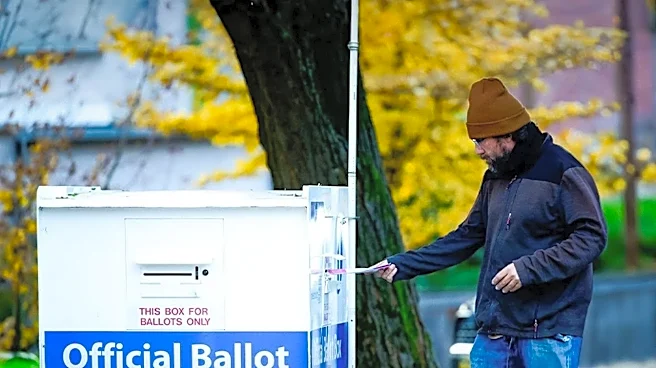
The most predictable pattern in Delaware's voter turnout is the significant surge during presidential election years. When a race for the White House is on the ballot, it elevates interest and participation
across the board, pulling voters to the polls who might otherwise sit out a midterm cycle. For instance, turnout in presidential years like 2020 and 2008, which featured Delaware's own Joe Biden on the national ticket, was robust. General election turnout in 2020, which included a Senate race, saw over 68% of eligible voters participate. This contrasts sharply with midterm elections, where turnout can plummet by 20 points or more. The 2022 midterms, for example, saw a turnout of just 42.8%. This isn't unique to Delaware, but the state's small size and concentration of media markets can amplify the national mood, making the 'on-year' and 'off-year' divide particularly stark.
Midterm Lulls and Notable Exceptions
Midterm elections consistently see a drop-off in voter participation. Without the national spectacle of a presidential contest, these elections often struggle to capture the public's imagination. In Delaware, this has meant turnout rates often dipping into the low 40s or even high 30s. The 1990 Senate election, for example, had a turnout of under 40% of registered voters. Similarly, the 2014 midterm, where Senator Chris Coons won reelection, saw only about 35% participation. However, a compelling, high-stakes race can break this trend. The 2010 special election to fill Joe Biden's vacant seat became a national media event. The contest between Democrat Chris Coons and Tea Party-backed Republican Christine O'Donnell, who had famously upset moderate Mike Castle in the primary, generated immense interest. That race saw a much stronger midterm turnout, with over 307,000 votes cast for the Senate contest alone, demonstrating how candidate dynamics can overcome typical midterm apathy.
The Long Shadow of Joe Biden
It is impossible to discuss Delaware's Senate elections without focusing on the state's longest-serving senator, Joe Biden. For decades, his presence on the ballot was a constant. His races, however, often became so non-competitive that they may have suppressed turnout among those who saw the outcome as a foregone conclusion. In his 1990 reelection, he won in a landslide with over 62% of the vote. In subsequent elections, he continued to post dominant victories. While a popular incumbent can energize their base, an uncompetitive race can also lead to voter indifference. The real turnout driver associated with Biden came later, when his elevation to Vice President in 2009 created an open seat, setting the stage for the dramatic and high-turnout 2010 special election.
Modern Trends and Consistent Divides
In the last decade, Delaware's turnout has largely followed established patterns, though it has consistently remained a few points above the national average in presidential years. The 2020 election saw a turnout of 68.3% of eligible voters, fueled by the intense national political climate and a presidential race featuring a native son. Yet, recent analysis has also pointed to a concerning trend: Delaware reportedly saw the largest decrease in midterm election turnout in the country over the past decade when compared to its prior performance. This highlights an increasing reliance on the presidential cycle to drive engagement. Geographically, turnout remains highest in the more populous and heavily Democratic New Castle County, while the more rural Kent and Sussex counties, though politically active, have fewer total voters to swing statewide numbers.