


The Baseline: Turnout Through the 1990s
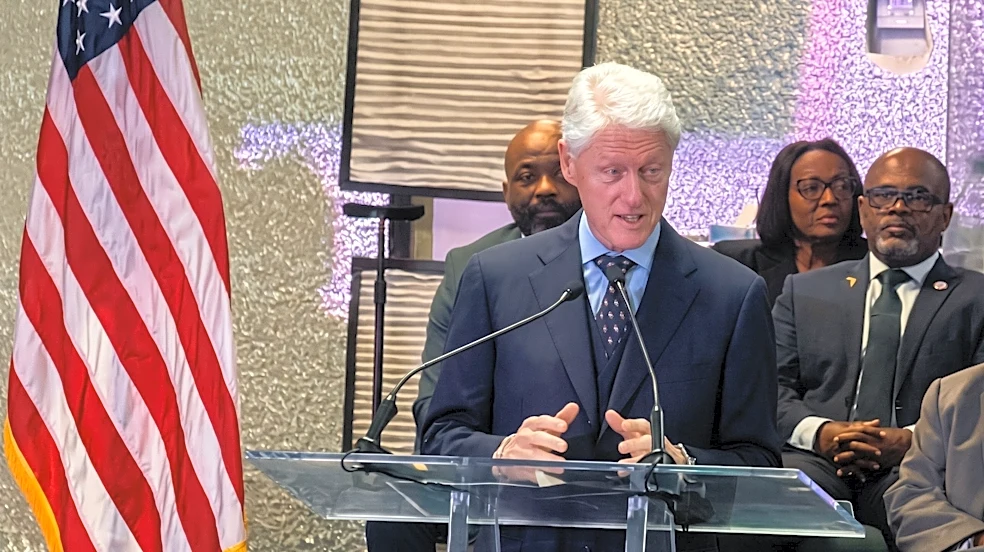
To understand New Hampshire's modern voting patterns, the 1990s provide a solid baseline. Throughout the decade, the state consistently posted turnout figures that surpassed the national average. In presidential years like 1992 and 1996, the Granite State was a key battleground. The presence of candidates who invested heavily in retail politics, from Bill Clinton to Ross Perot, energized the electorate. Midterm elections, while naturally having lower participation, still reflected a more engaged populace than in many other parts of the country. This era cemented New Hampshire's reputation not just as the host of the first-in-the-nation primary, but as a state where general election votes were fiercely contested and highly valued, establishing
a culture of participation that would intensify in the decades to come.
A New Century of High-Stakes Elections
The turn of the millennium brought a new level of intensity. The 2000 election, decided by a razor-thin margin nationally, saw high turnout in swing states like New Hampshire. Four years later, in 2004, the state was once again in the national spotlight, with turnout for the presidential election climbing significantly. This period demonstrated a clear pattern: when national elections are perceived as close and consequential, New Hampshire's already-engaged voters participate in even greater numbers. The state's relatively small population means that individual votes can feel more impactful, a sentiment that party strategists and campaign organizers have leveraged to great effect, pouring resources into get-out-the-vote efforts.
The Surge Years: 2008 to Today
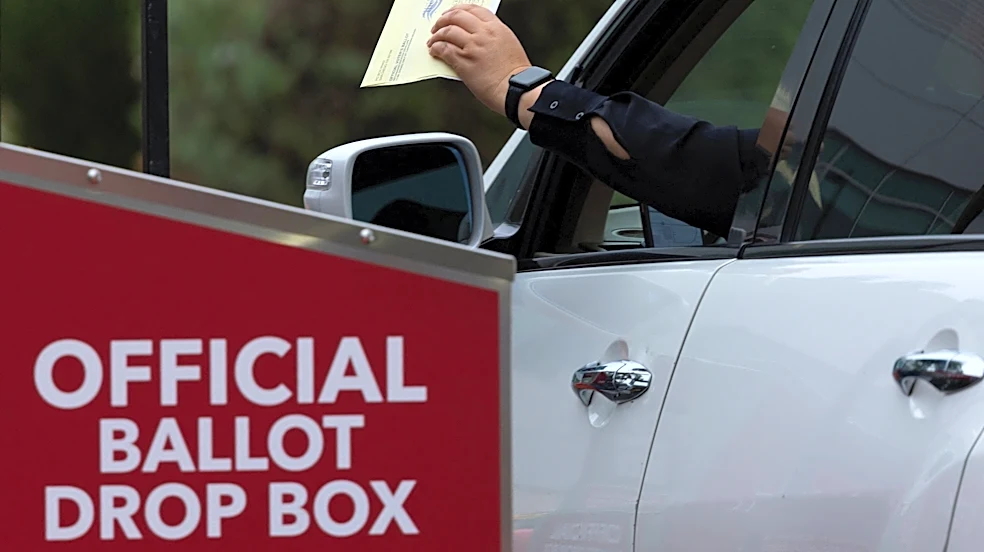
The 2008 presidential election marked a high water-mark for voter participation, driven by a historic open-seat contest. Turnout of the voting-eligible population approached 70%, one of the highest rates in the nation. This elevated engagement wasn't a one-off event but the start of a new normal characterized by intense political polarization. The 2010 midterms, fueled by the Tea Party movement, saw unusually high turnout for a non-presidential year. This trend continued through the elections of 2016, 2018, 2020, and 2024, all of which saw record-breaking levels of participation. The 2020 general election saw 74% of eligible voters cast a ballot. In 2024, a record-breaking 834,651 total ballots were cast in the general election, surpassing the previous high set in 2020 and representing a 74.1% turnout of eligible voters.
What Makes New Hampshire Different?
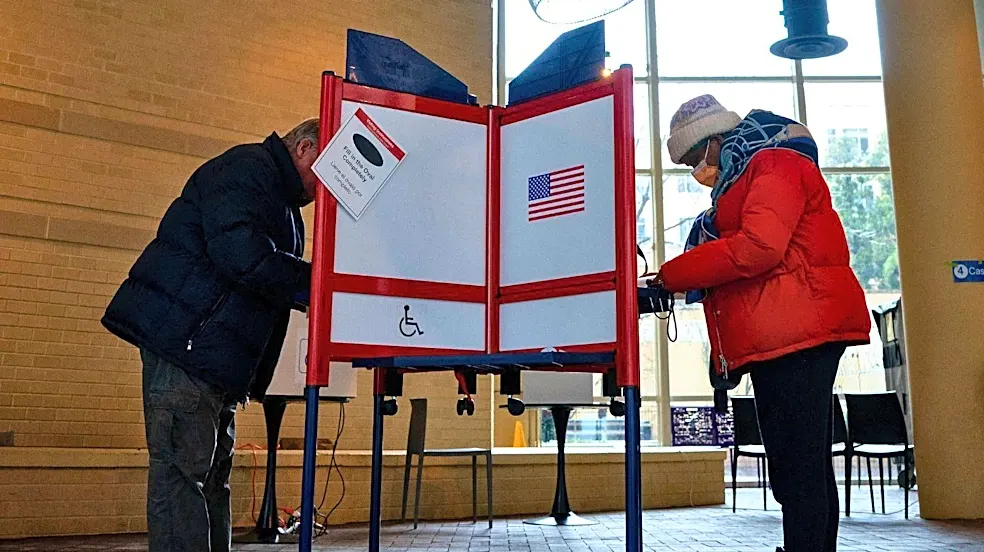
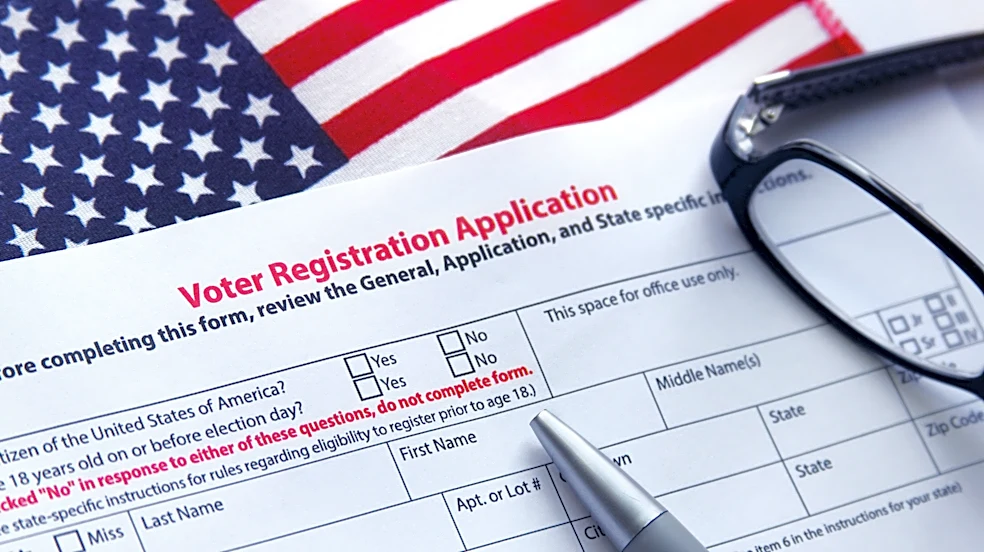
Several key factors explain New Hampshire's consistently high turnout. The state's policy of allowing same-day voter registration is perhaps the most significant, removing a major barrier to participation. In the 2024 election alone, over 92,000 voters registered at the polls on Election Day. Beyond policy, there is a deeply ingrained civic culture. The 'First in the Nation' primary creates a year-round political conversation that keeps residents engaged. Furthermore, New Hampshire is home to a large bloc of independent or 'undeclared' voters, making them a crucial target for both parties and ensuring that elections are often competitive. This competitiveness, from presidential contests down to local races, means voters believe their participation truly matters, a belief that the numbers have consistently borne out.