


Presidential Elections: The Main Event
It’s no surprise that D.C. voters, like Americans everywhere, turn out in the greatest numbers when the White House is on the line. Participation consistently spikes during presidential election years, as the high stakes of a national contest energize the electorate. This trend saw a significant surge in recent cycles. In the 2020 general election, turnout reached 67%, and it climbed even higher to 71% in 2024, demonstrating a period of heightened political engagement. In fact, according to Census Bureau estimates, about 80% of the District's voting-age citizens cast a ballot in the November 2024 election, the largest share of any state in the country. These figures reflect a deeply motivated populace, driven by the same national currents as the rest
of the country but with their own unique political identity.
The Midterm Mismatch
True to national patterns, midterm elections in the District see a predictable dip in participation compared to presidential years. When there isn't a race for the presidency at the top of the ticket, engagement tends to wane. For instance, turnout in the 2022 general election was 40.7%, a significant drop from the presidential contests bookending it. However, these 'off-year' elections are not without their own stories. The 2018 midterms, for example, saw a notable increase in turnout to 46%, tracking with the national 'Blue Wave' phenomenon. These surges suggest that while a presidential contest is the biggest draw, D.C. voters are also highly responsive to specific national political climates and moments of perceived crisis or opportunity, using the ballot box to send a message even when local races dominate.
The Constant Shadow: Statehood and Representation
You can't talk about voting in D.C. without talking about its political status. The District’s nearly 700,000 residents pay federal taxes and serve in the military but have no voting representation in Congress. This 'taxation without representation' is not just a license plate slogan; it's a fundamental grievance that fuels political consciousness. The long-running movement for D.C. statehood provides a constant, powerful backdrop to every election. While it's difficult to draw a direct causal line between statehood efforts and turnout for any single election, the issue galvanizes activists and keeps the stakes of federal elections perpetually high. For many in D.C., voting is one of the few ways to assert their voice in a system that otherwise disenfranchises them on the federal legislative level.
Making It Easier to Vote
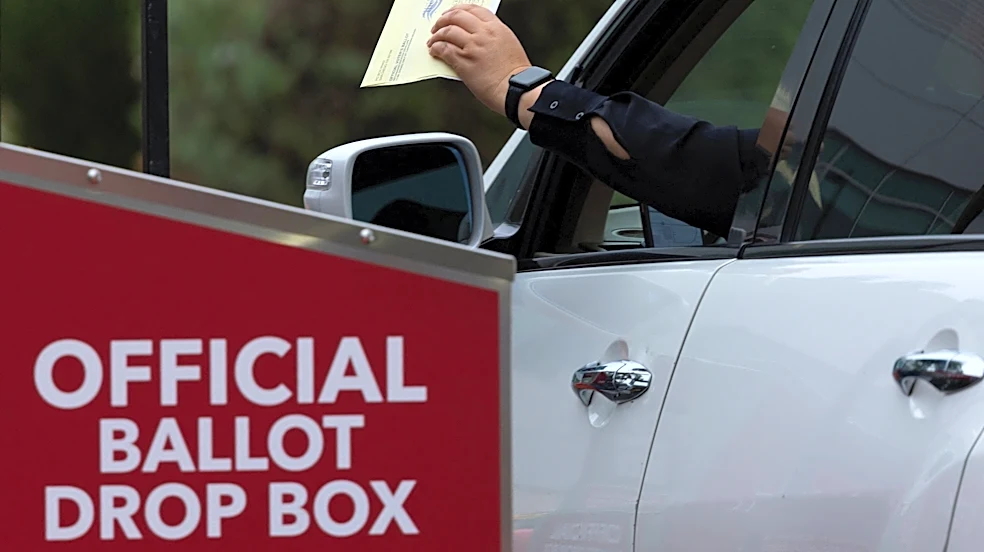
Beyond political motivation, structural factors have also shaped D.C.'s turnout numbers. In recent years, the District has implemented several policies aimed at making voting more accessible. Initiatives like universal vote-by-mail, same-day voter registration, and ample early voting options remove many common barriers to casting a ballot. These measures have proven effective, particularly in boosting participation. In the 2024 General Election, mail-in ballots and ballots returned via drop box accounted for over half of all votes cast. This shift contrasts with pre-pandemic elections where the vast majority of voting happened on Election Day itself. By making the process more convenient, D.C. has built a system that helps translate its high political engagement into high actual turnout.