


The Predictable Rhythm: Presidential Peaks and Midterm Troughs
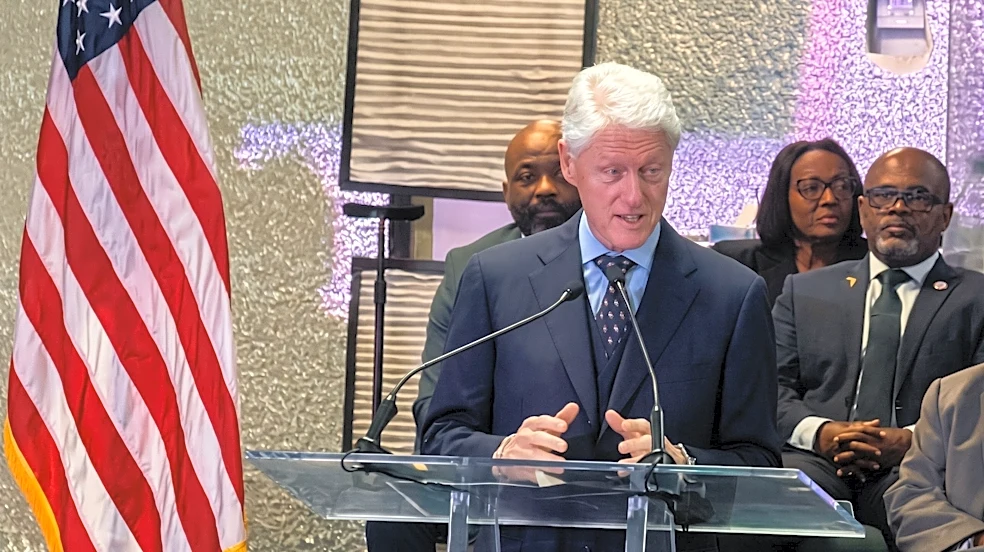
Across the entire 34-year span, one pattern holds remarkably steady: Missourians, like most Americans, turn out in much greater numbers for presidential elections than for midterms. This isn't just a quirk; it’s a fundamental feature of U.S. politics. Presidential races, with their national media saturation and high-profile candidates, naturally capture more public attention. In the early 1990s, this trend was already clear. The 1992 presidential election, a dynamic three-way race between George H.W. Bush, Bill Clinton, and Ross Perot, saw Missouri's turnout percentage peak at a remarkable 78%, a high-water mark for the era. In contrast, the subsequent 1994 midterm election saw a significant drop-off, a predictable slump as the national spotlight
dimmed. This reliable cycle of surge and decline forms the baseline against which all other political dramas have played out.
The Bellwether Years: High Stakes and Shifting Tides
For much of the 20th century, Missouri was America's political oracle, a 'bellwether' state that almost always voted for the winning presidential candidate. This reputation held strong through the 1990s and into the 2000s, often resulting in high engagement. In 1996, Missouri backed Bill Clinton for a second term, and in 2000, it flipped to support George W. Bush in a razor-thin national contest. The intense national focus on these elections helped keep turnout robust. The 2008 election marked a pivotal moment. The historic candidacy of Barack Obama drove a massive surge in participation nationwide, and Missouri was no exception, setting a new record for the raw number of votes cast with over 2.9 million ballots. Even though Missouri narrowly broke its bellwether streak by backing the losing candidate, John McCain, the sheer volume of voters demonstrated an exceptionally energized electorate.
The Great Severing: Polarization and a New Identity
After 2008, Missouri's voting patterns began to diverge consistently from the national outcome, signaling its transition from a swing state to a reliably Republican one. This political shift didn't dampen turnout; in fact, the increasingly polarized environment of the 2010s and 2020s seemed to fuel it. The 2016 and 2020 presidential elections, both featuring Donald Trump, were high-octane affairs that drew enormous voter interest. In 2020, Missouri shattered its previous record, with more than 3 million voters casting ballots, representing about 70% of those registered. This trend continued into the most recent federal elections. By 2024, the state saw a robust 64.3% turnout of eligible voters in the presidential election, slightly above the national average and cementing a new normal of higher engagement driven by deep partisan conviction rather than swing-state status.
What It All Means for the Show-Me State
Looking back, the data tells a story of transformation. The reliable, sleepy rhythm of presidential peaks and midterm slumps still exists, but the forces driving those peaks have changed. In the 90s, turnout was high because Missouri was at the center of the national conversation. Today, turnout is high because the state has developed a more defined, conservative political identity, with an engaged base eager to participate. Factors like population growth in suburban and rural counties have reinforced this trend. While the state's days as a national bellwether appear to be over, its voters are arguably as engaged as ever, consistently turning out at rates that meet or exceed the national average in recent cycles. The numbers show a state that is no longer a mirror for the nation, but a clear reflection of its own distinct political character.