



An Election Night Cliffhanger
On November 6, 2018, all eyes were on Utah’s 4th Congressional District. The race pitted two-term incumbent Republican Mia Love, the first and only Black Republican woman in Congress, against her Democratic challenger, the popular Salt Lake County Mayor Ben McAdams. As the initial results rolled in, Love appeared to have a lead, a familiar position for a Republican in a state that consistently votes red. But this was no ordinary election. McAdams, running as a moderate, had built a strong base in the district's most populous area, Salt Lake County. As the night wore on, the margin began to shrink, setting the stage for a protracted count that would captivate the state and hinge on tens of thousands of yet-to-be-counted mail-in ballots.
The Slow Drip of a 'Blue Shift'
In the
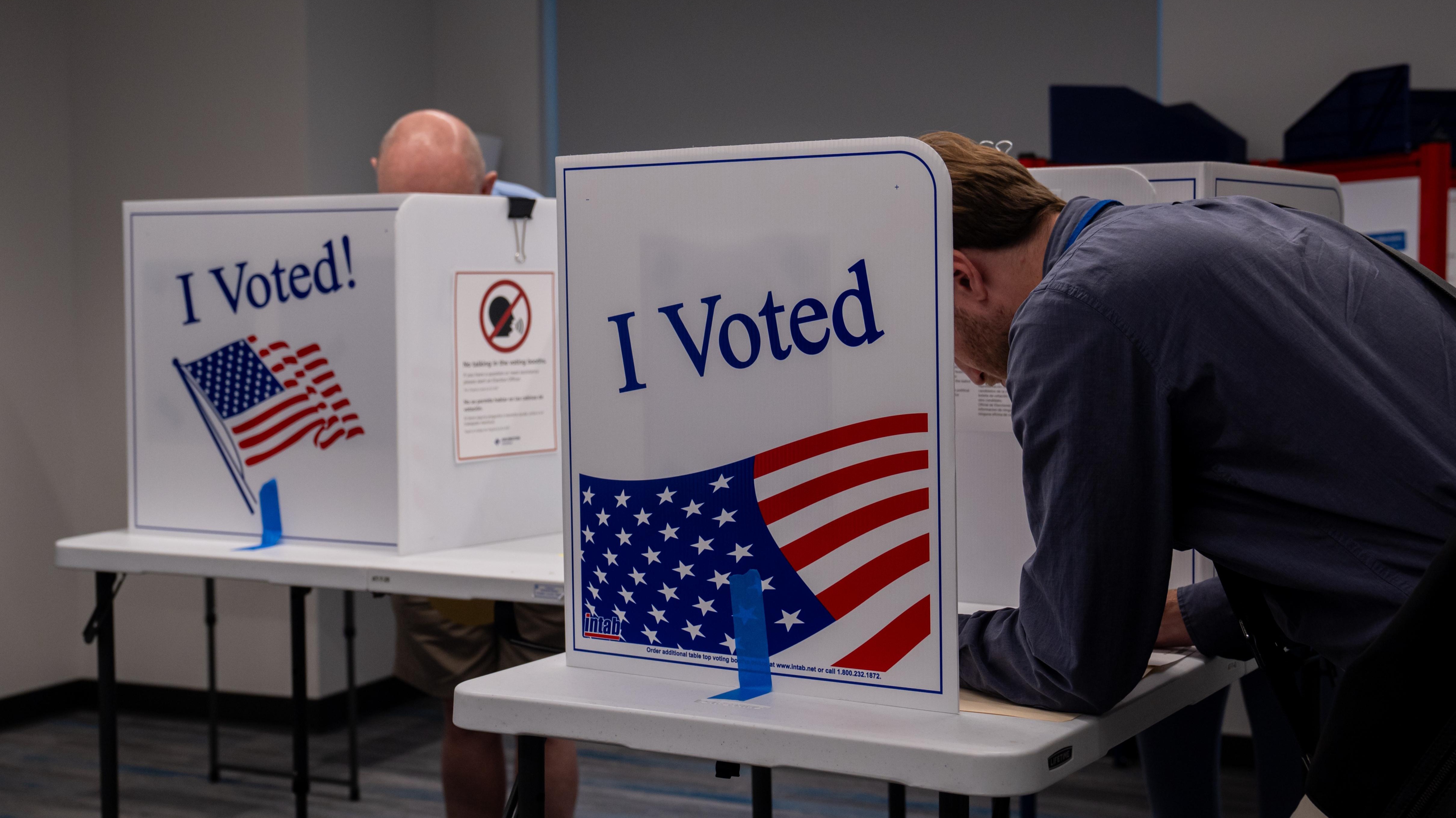
days following the election, the lead swung back and forth like a pendulum. Love’s initial advantage was slowly but surely eroded as election officials processed a mountain of mail-in and provisional ballots. This phenomenon, sometimes called a 'blue shift,' is common in states with robust mail-in voting, as ballots mailed closer to Election Day and those from more populated, often Democratic-leaning, areas are counted last. For two weeks, Utahns woke up to new vote totals that tightened the race to an agonizing degree. First, McAdams' lead was over 5,000, then it shrank to just over 1,000, before settling into the high hundreds. Each new batch of votes from Salt Lake County favored McAdams, while returns from the more conservative Utah, Juab, and Sanpete counties boosted Love. The entire contest came down to which candidate’s stronghold had more outstanding votes to count.
A Victory of Just 694 Votes
On November 20, two full weeks after Election Day, the final tally was in. Ben McAdams had defeated Mia Love by a mere 694 votes out of nearly 270,000 cast. The final margin was 0.258%, just barely outside the 0.25% threshold that would have allowed Love's campaign to request a state-funded recount. Though her team had explored legal challenges regarding signature verification on mail-in ballots in Salt Lake County, the effort was unsuccessful. Faced with the final, certified numbers, Love conceded the race. With that, McAdams had flipped the seat, breaking the all-Republican hold on Utah’s congressional delegation and taking control of the most Republican-leaning district in the country to be held by a Democrat.
The Legacy of a Nail-Biter
The 2018 race between Love and McAdams remains the closest U.S. House race in Utah's history. It served as a dramatic, real-world lesson in the power of every single ballot and the impact of evolving voting methods like mail-in voting. For Republicans, it was a stunning loss of a rising star. For Democrats, it was a monumental upset that signaled shifting demographics and political dynamics, particularly in the growing suburbs of Salt Lake County. The victory was short-lived for McAdams, who lost the seat two years later to Republican Burgess Owens in another relatively close race, proving the 4th District's status as a perennial battleground. Yet, the memory of that 694-vote margin endures as a powerful reminder that in the machinery of democracy, the smallest components can often decide the outcome.