


A Quieter Time: The 1990s
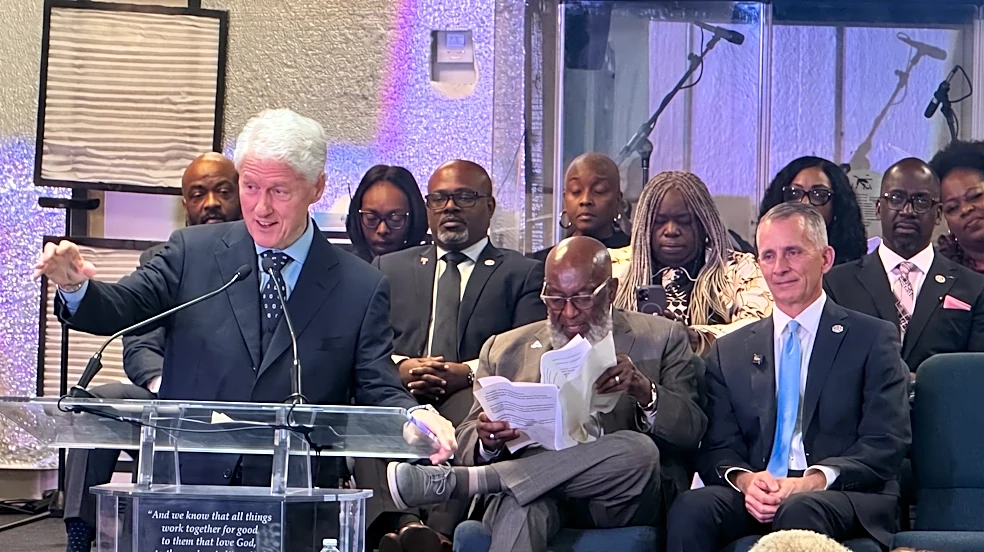
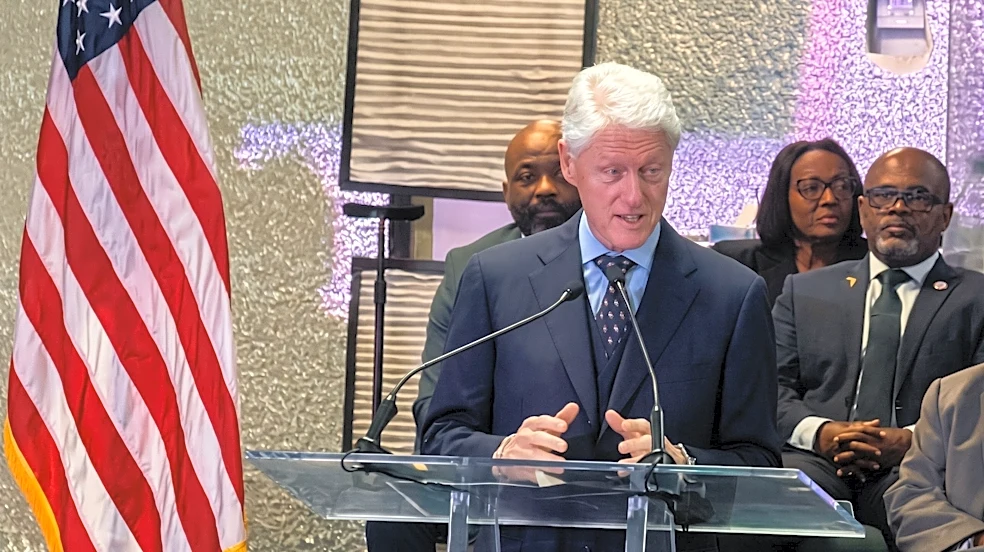
The final decade of the 20th century represented a more stable, predictable era in Pennsylvania voter turnout. Federal elections followed a familiar rhythm: a surge for presidential contests and a significant drop-off for midterms. The 1992 election, which put Bill Clinton in the White House, and his 1996 re-election saw healthy but not record-shattering participation. Midterm elections in 1990, 1994, and 1998 saw turnout rates dip considerably, as was typical across the country. This period established a baseline of an electorate that was engaged by high-stakes presidential races but less motivated by the congressional contests in between. The political lines were drawn, but the deep, passionate polarization that would later define the state's
politics had not yet fully taken hold.
The Turn of the Century and the Obama Effect
The 2000s began with the intensely contested Bush v. Gore election, but the truly transformative shift in voter engagement arrived in 2008. Barack Obama’s first presidential campaign electrified the nation and brought a new wave of voters to the polls in Pennsylvania. Turnout in 2008 and 2012 was robust, fueled by a coalition of young people, urban voters, and minority communities. However, this era also hardened the lines of political identity. The once-reliable pattern of a sleepy midterm was shattered in 2010 with the rise of the Tea Party, which drove conservative turnout to new heights. The data from this period shows a state—and a country—becoming more deeply divided, where federal elections were no longer just about choosing a leader but about defining the nation's character.
The Trump Era: Record Highs and Deep Divides
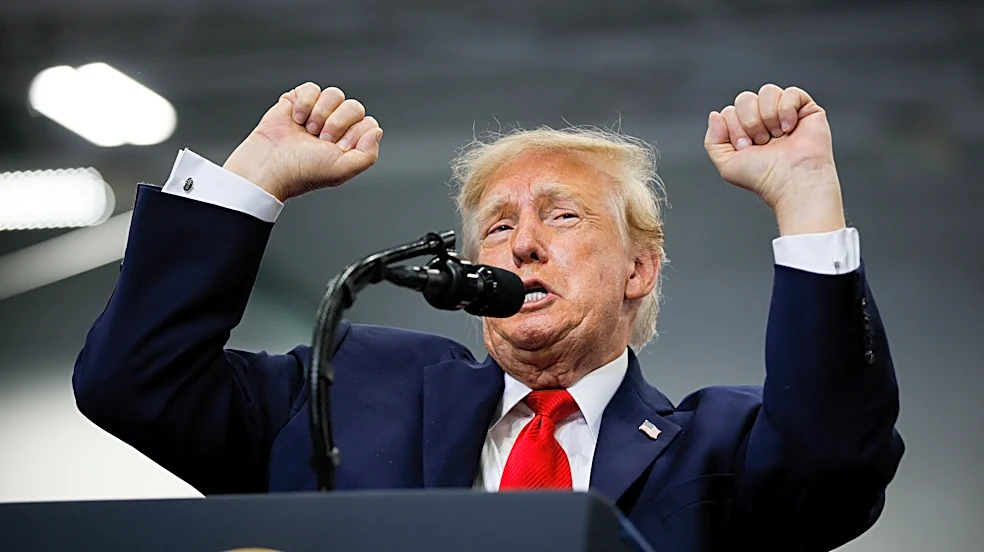
The 2016 election of Donald Trump marked another seismic event, fundamentally altering turnout dynamics. His campaign energized a rural and working-class base that felt overlooked, while simultaneously galvanizing fierce opposition. The result was a surge in participation that continued to escalate. The 2018 midterms were a sign of things to come, with turnout levels that looked more like a presidential year as Democrats flipped seats across the suburbs. This all culminated in 2020, an election held amidst a pandemic, which saw Pennsylvania reach historic levels of engagement. The expansion of mail-in voting played a significant role, but the primary driver was the intense political climate. Voters on both sides were more motivated than ever, shattering previous participation records.
2024: A New Chapter in Participation
The 2024 presidential election continued the trend of high engagement, with Pennsylvania seeing some of its highest turnout numbers in decades. According to the Pennsylvania Department of State, 77.1% of registered voters and 68.5% of the voting-age population cast a ballot, figures that rank among the highest in over 36 years. The election was historic for Donald Trump, who received the most votes ever cast for a single candidate in the state's history. Analysis showed Republicans outperformed Democrats in turnout across various demographics, including low-propensity and youth voters. While Democrats saw gains in certain local and judicial races, the federal election results pointed to a motivated Republican base, particularly in rural areas, which continued to expand their share of the electorate. This high turnout, which flipped the state red at the presidential level, confirmed Pennsylvania's status as a fiercely competitive state where every vote is critical.