


The Six-Vote Squeaker in Iowa
You don't have to look far back to find an election that came down to a rounding error. In 2020, the race for Iowa's 2nd Congressional District was so close it made national headlines for weeks. Republican Mariannette Miller-Meeks and Democrat Rita Hart battled to replace a retiring incumbent in a district that was considered a true toss-up. On election night, the margins were razor-thin. After the initial count and a subsequent district-wide recount requested by the Hart campaign, the final tally was astonishing: Miller-Meeks won by just six votes out of nearly 400,000 cast. The final certified result was 196,964 to 196,958. Hart initially contested the result with the U.S. House of Representatives, which has the constitutional authority to judge
the elections of its own members, but she later withdrew her challenge. Miller-Meeks was seated, representing one of the closest federal elections in modern American history and a vivid reminder that a few ballots can change the balance of power.
Indiana's 'Bloody Eighth' and the Four-Vote Finish
For the all-time nail-biter, we have to go back to 1984 in Indiana's 8th district, a seat notoriously known as the 'Bloody Eighth' for its history of brutal political fights. The race pitted incumbent Democrat Frank McCloskey against Republican challenger Rick McIntyre. The morning after the election, McCloskey appeared to have won by 72 votes. But then the corrections started. A clerical error was found, and suddenly McIntyre was ahead by 34 votes, a result certified by Indiana's Republican Secretary of State. What followed was a political and legal firestorm that lasted for months. Both sides initiated recounts across the district's 15 counties, with the lead changing hands multiple times. Because the state-level process ended in a virtual stalemate and with no clear winner, the decision fell to the U.S. House itself. A special task force was created to re-examine the ballots. After its own painstaking recount, the House declared McCloskey the winner by a mere four votes. The decision was intensely partisan and left a bitter taste in Washington that lingered for years.
The Anatomy of a Recount
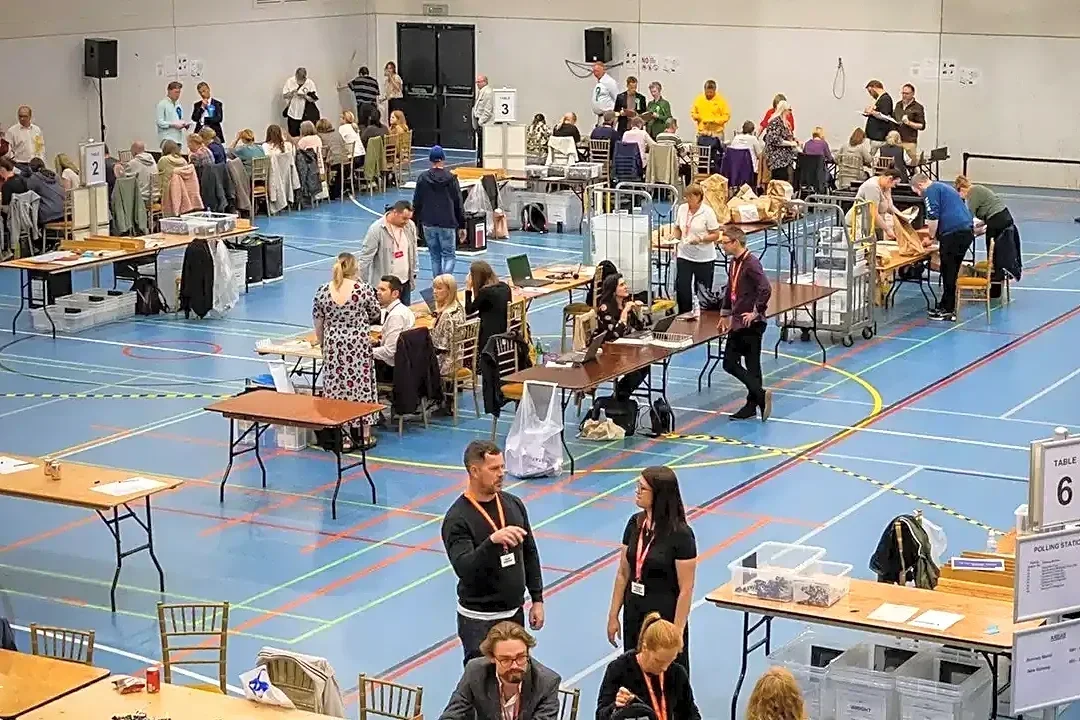
So what happens when a race is this tight? It's not just a matter of running the same ballots through the machine again. A recount is an exhaustive, manual process governed by state law. Election officials, often under the watchful eye of campaign lawyers, re-examine every single ballot. They look for ballots that machines might have misread or discarded. They scrutinize absentee ballots for signature mismatches and provisional ballots for voter eligibility. This is where you hear terms like 'voter intent'—trying to determine what a voter meant on a poorly marked ballot. Every decision is fraught with tension because each ballot has the potential to swing the outcome. As the Iowa and Indiana examples show, this process can lead to legal challenges that can escalate from local courts all the way to Congress, turning a local election into a national political drama.
Why These Photo Finishes Matter
While most elections aren't decided by a handful of votes, these rare instances serve a critical purpose. They are the ultimate proof of concept for democratic participation. In an era of widespread political cynicism, it’s easy to feel like one vote is just a drop in an ocean. But the stories of these races show that is demonstrably false. A single voter who decided to stay home in Iowa's 2nd district in 2020, or a few who did the same in Indiana's 8th in 1984, could have produced a different representative in Congress. These razor-thin margins aren't just historical curiosities; they are a powerful argument against voter apathy. They prove that the system, for all its flaws and complexities, can come down to the individual choices of a few citizens in a single precinct, transforming an abstract right into a concrete, history-making power.