

The Era of Midterm Apathy
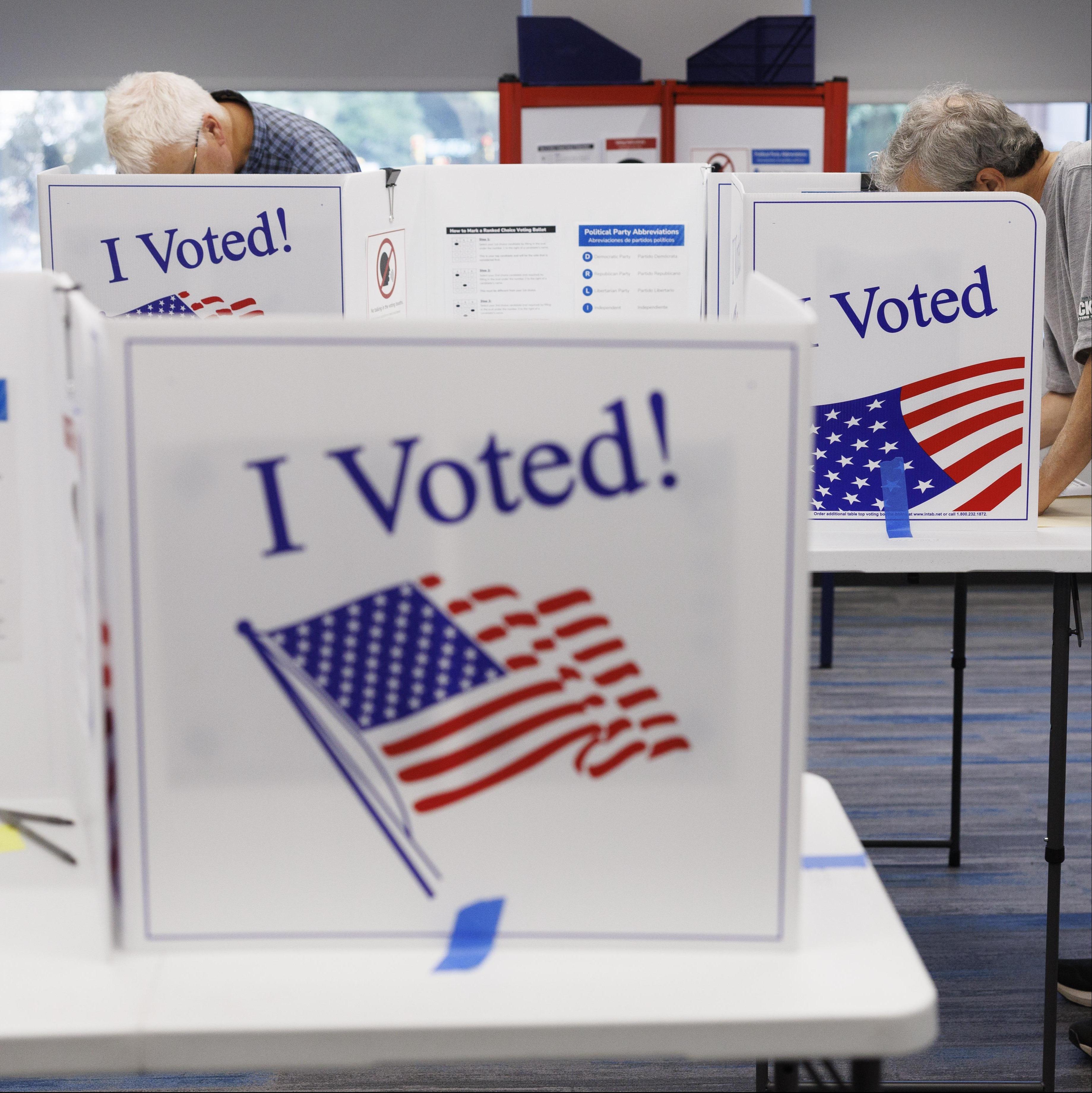
For much of the late 20th century, midterm elections were low-energy affairs. After the social and political turmoil of the 1960s and early '70s, a long period of relative voter disengagement set in. From 1978 through the 1980s, the percentage of the voting-eligible population that cast a ballot in midterms consistently hovered in the high 30s. It was a predictable pattern: a spike for the presidential race, followed by a sharp drop-off two years later. These elections often lacked a single, galvanizing national narrative, with local issues and candidate quality playing a larger role. The general sentiment was that the stakes were simply lower than when the White House was on the line, and the turnout numbers reflected that widespread feeling
of complacency.
1994: A Political Revolution Awakens Voters
The 1994 midterm was a jolt to the system. Billed as the 'Republican Revolution', the election was a stunning rebuke of President Bill Clinton's first two years in office. For the first time in 40 years, the Republican Party seized control of both the House and the Senate. The campaign was nationalized around a platform called the 'Contract with America', giving voters a clear, unified opposition message. The result was a notable, if not massive, increase in turnout to nearly 39%, a significant bump from 1990. This election proved that when voters perceive a clear choice and feel the potential for a seismic power shift in Washington, they are more likely to participate. It was an early sign that turning a midterm into a national referendum on the sitting president was a powerful motivator.
The Long Slump and the 2014 Low
Despite the drama of 1994, turnout didn't stay elevated. The midterms of the late 1990s and 2000s saw participation rates settle back into their familiar, uninspired rhythm, typically in the low 40s or high 30s. This period culminated in the 2014 midterms, which marked a modern low point for voter engagement. Just 36.7% of eligible voters cast a ballot that year, the worst showing in decades. Held during President Barack Obama's second term, the election was characterized by a sense of exhaustion and a lack of the intense enthusiasm that had defined his 2008 and 2012 campaigns. It seemed to confirm the conventional wisdom: without a presidency at stake, and absent a major national crisis, a majority of Americans would simply stay home.
2018: The 'Blue Wave' and a Historic Surge
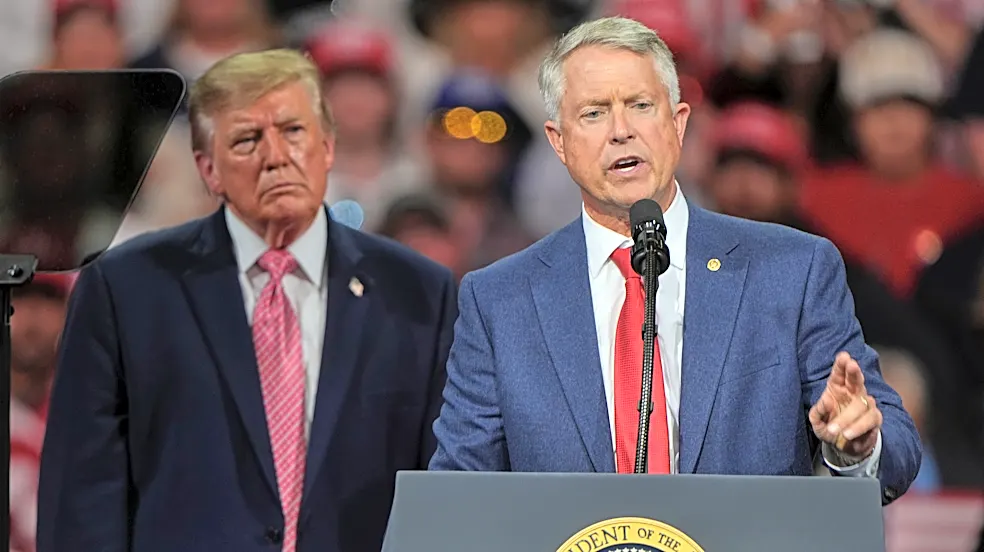
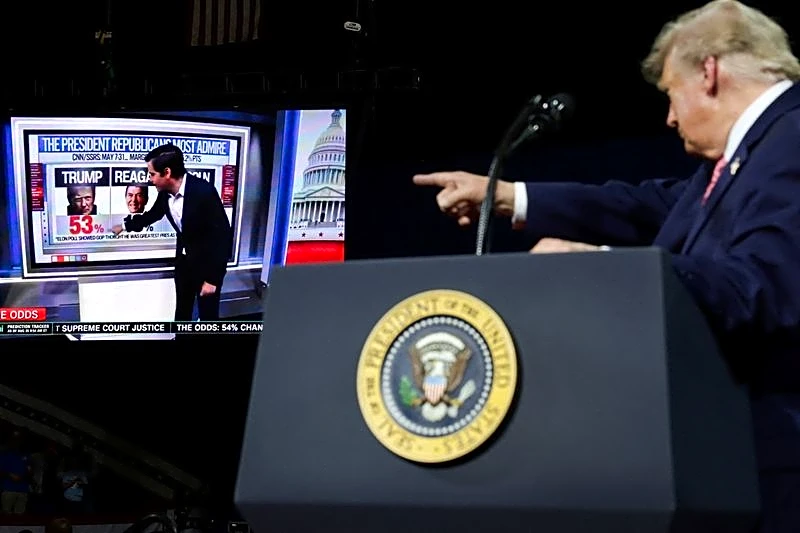
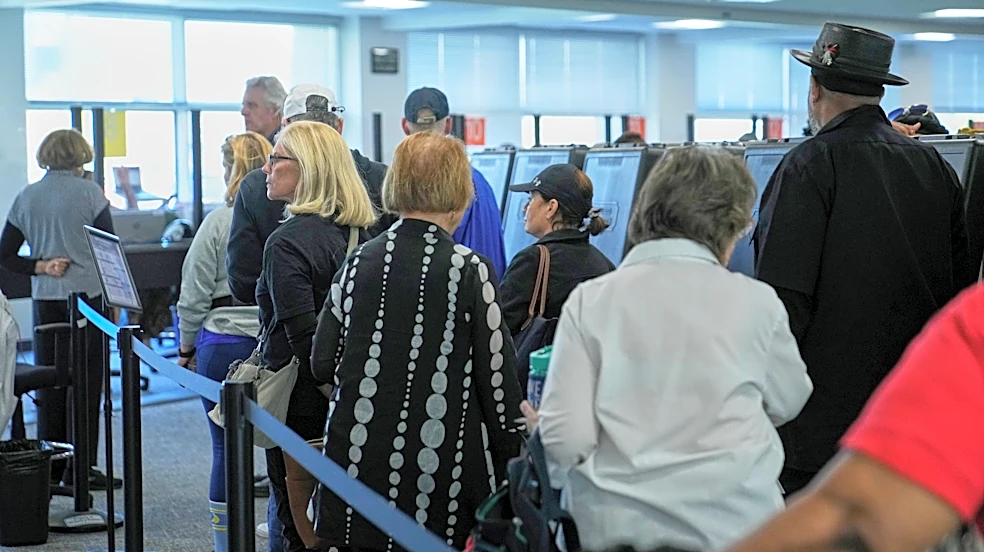
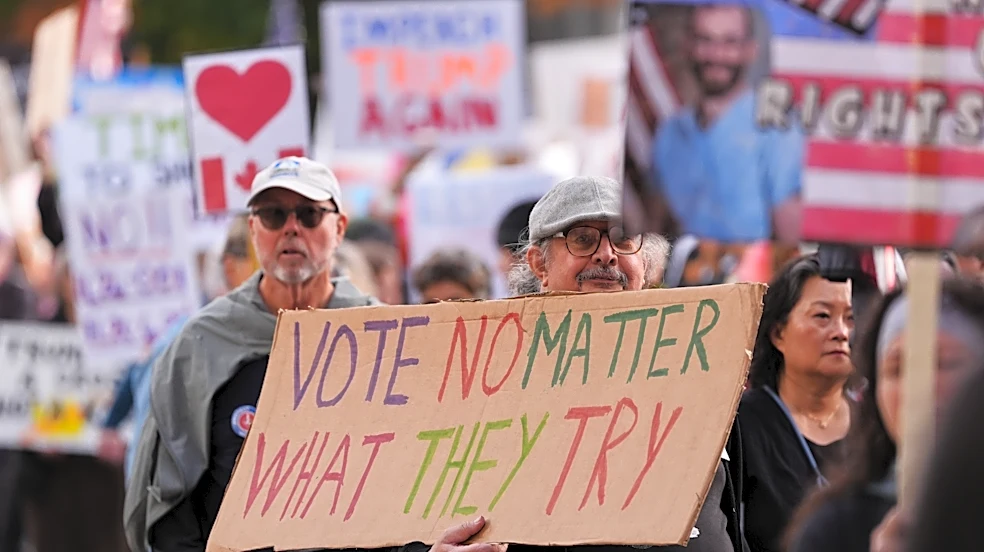
Everything changed in 2018. In the first national election after Donald Trump's 2016 victory, the country witnessed an explosion in voter participation. Turnout soared to 50% of the voting-eligible population, the highest rate for a midterm election in over a century, since 1914. Across every demographic, Americans showed up in record numbers. This wasn't just a modest increase; it was a fundamental shift. The election was framed almost exclusively as a referendum on the Trump presidency. Democrats, energized by opposition to the White House, created a 'blue wave' that flipped control of the House of Representatives. The 2018 midterms shattered the myth of midterm apathy and established a new precedent: in a highly polarized nation, every election feels like a high-stakes battle for the country's future.
2022: Is High Turnout the New Normal?
After the historic turnout of 2018, the big question was whether it was a fluke or the beginning of a new trend. The 2022 midterms provided an answer. While turnout didn't quite match the 2018 peak, it remained exceptionally high by historical standards, with about 52.2% of the citizen voting-age population participating. This was the second-highest turnout for a midterm in over two decades, far surpassing the levels seen in the 2000s and early 2010s. Despite predictions of a massive 'red wave', Democrats performed better than expected, holding the Senate and losing the House by a slim margin. The results suggest that the heightened political engagement of the Trump era has persisted, cementing the role of midterms as crucial national contests rather than sleepy, off-year elections.