


A Tradition of High Turnout
When it comes to voting, Montanans have a reputation for participating at rates that would make other states envious. For decades, the state has consistently posted turnout numbers well above the national average. From 2002 to 2024, for instance, Montana's average turnout of eligible voters in federal elections was approximately 59.9%, significantly higher than the national average of 52.4% for the same period. This isn't a recent phenomenon; the Montana Secretary of State's office proudly notes that the state has long had one of the nation's highest voter participation rates. This culture of engagement is rooted in a belief that, in a state with a relatively small population, individual votes carry substantial weight and can truly influence
outcomes.
The Presidential Election Effect
Like the rest of the country, Montana sees its most significant voter turnout during presidential election years. These high-stakes contests generate intense media coverage and feature top-of-the-ticket candidates who energize the electorate. The 2020 general election saw a remarkable 71.3% of eligible voters in Montana cast a ballot. The 2024 presidential election continued this trend of strong participation, with a turnout rate of 68.2%, again surpassing the national average of 64.1%. While presidential star power is a major driver, these elections also pull voters in for crucial down-ballot races, from U.S. Senate and House seats to state legislative contests.
High-Stakes Midterms and Senate Clashes
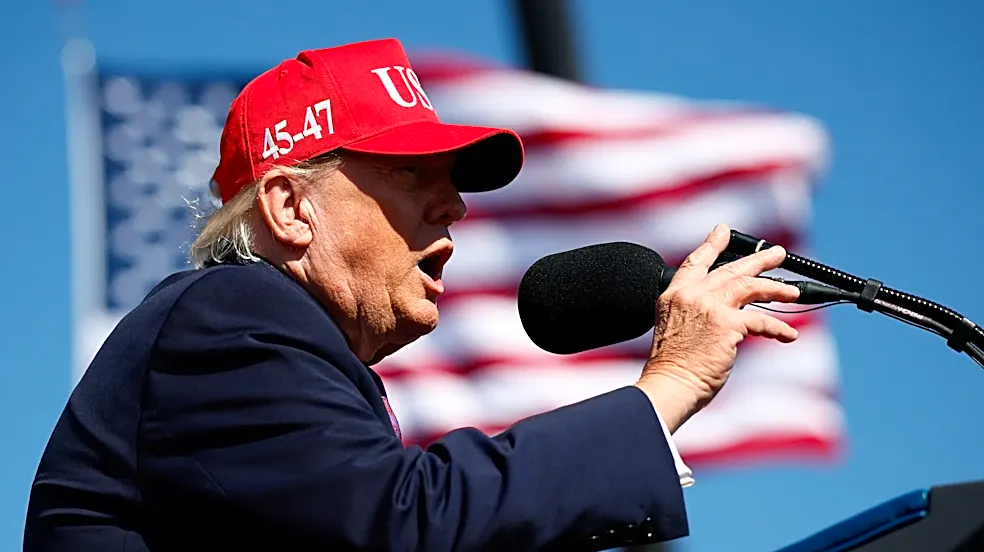
While turnout naturally dips during midterm elections, Montana has a knack for keeping the numbers impressively high, especially when a competitive U.S. Senate race is on the ballot. These contests often become national focal points, attracting a flood of outside spending and attention. For example, surges in midterm participation occurred in cycles like 2006 and 2018, which featured highly competitive races and coincided with periods of broad political engagement. In the 2022 midterms, Montana's turnout was 53.2% of eligible voters, comfortably ahead of the 46.2% national average. Events like a presidential rally, even during a midterm year, are often designed to energize the base and drive up these numbers in tight races, underscoring the importance of every vote.
What the Numbers Tell Us About Montana
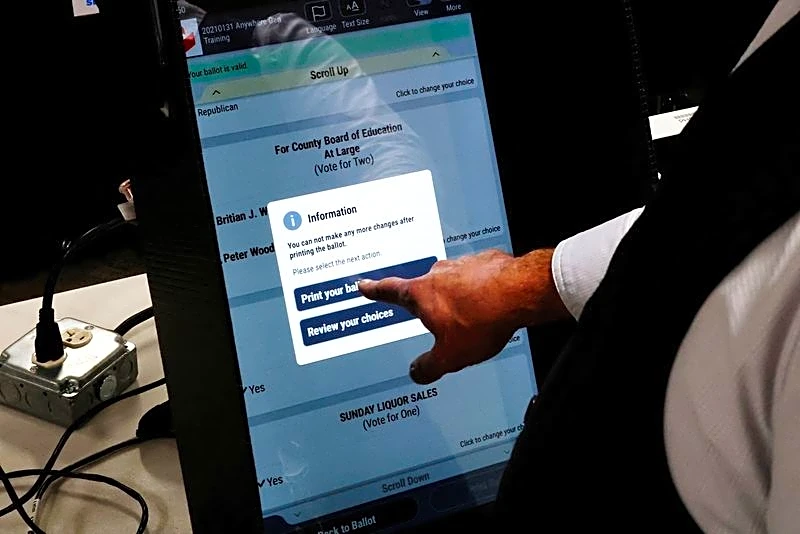
Analyzing over three decades of election data reveals a clear pattern: Montana's electorate is consistently and actively engaged. This high turnout is influenced by several factors. The state's open primary system for congressional and state races allows any registered voter to participate, fostering a more inclusive process. Furthermore, the increasing popularity and accessibility of absentee and mail-in voting have made it easier for Montanans, who often live in rural and geographically vast areas, to cast their ballots. Even as the state’s electorate has grown in raw numbers, the percentage of participation has remained robust. This sustained engagement reflects a politically aware citizenry that pays close attention to the issues and candidates affecting the state, from local races to the national stage.