



A Legacy of Leading the Nation
Minnesota’s reputation for high voter turnout isn’t just a feeling; it’s a statistical reality backed by decades of data. In nearly every federal election since 1990, the state has ranked at or near the top for the percentage of eligible citizens who cast a ballot. During presidential election years, this is especially pronounced. In 2020, Minnesota saw a staggering 79.96% of its eligible voters participate. While the final certified number for the 2024 presidential election was slightly lower at 76.41%, it was still high enough to lead the nation. This figure stands in stark contrast to the national average, which Minnesota regularly surpasses by double-digit margins. The trend holds for midterm elections as well. In 2018, turnout was 64.25%,
and in 2022, it was 60.4%, both figures significantly exceeding national participation rates for those years. This consistent performance points to something deeper than just a few exciting election cycles.
The Secret Sauce: Same-Day Registration
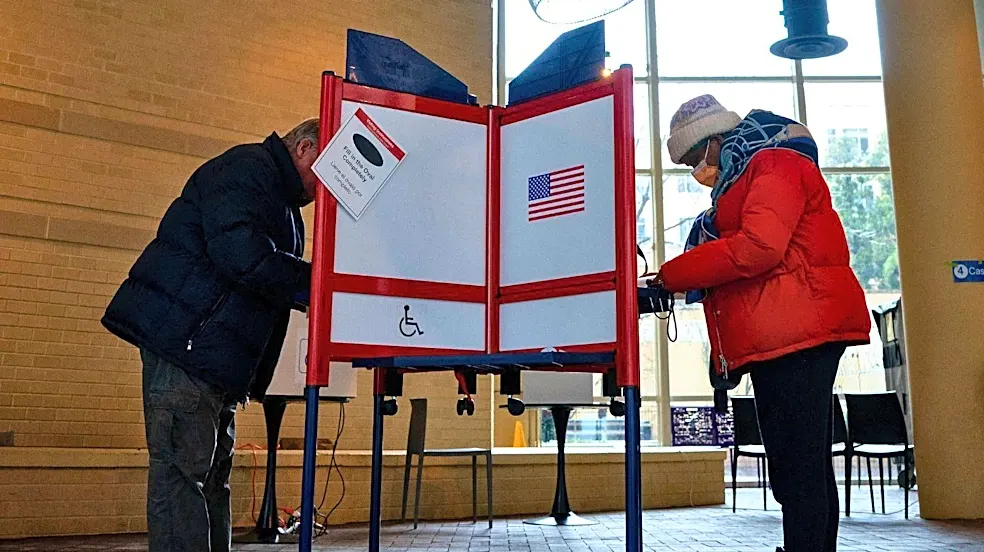
You can't talk about Minnesota’s turnout without talking about same-day registration. Enacted way back in 1974, this policy is arguably the single most important factor in the state’s sustained success. It allows any eligible citizen to register to vote at their polling place on Election Day, provided they have proof of residence. This simple but powerful tool removes one of the biggest administrative hurdles to voting. While many states have registration deadlines weeks before an election—often before voter interest peaks—Minnesota keeps the door open. In the 2024 election alone, 296,287 voters registered on Election Day. The policy is particularly helpful for young people, renters, and anyone who has recently moved, groups that are often disenfranchised by strict registration cutoffs.
A Culture of Civic Duty
Policy alone doesn't create a culture. In Minnesota, voting is deeply ingrained in the civic identity. Some attribute this to the state's historical Scandinavian roots, which emphasize community responsibility and civic duty. This ethos is reinforced by a robust ecosystem of non-partisan organizations, community groups, and engaged local media that actively promote voter participation. It’s not uncommon to hear neighbors and coworkers discussing their plans to vote. This expectation creates a powerful social incentive to participate. Voting isn't just a right; in Minnesota, it's a widely held community expectation.
Competitive Races Fuel Engagement
Voters are more likely to turn out when they feel their vote actually matters, and Minnesota has a history of competitive elections that keep people engaged. Unlike states that are reliably 'red' or 'blue' in presidential contests, Minnesota has often been a battleground, particularly in recent cycles. Even though it has the longest streak of voting for Democratic presidential candidates (since 1976), the margins have sometimes been narrow, motivating both parties to invest heavily in get-out-the-vote efforts. This competitiveness often extends to statewide and local races, giving voters up and down the ballot a compelling reason to make their voices heard.
The 2024 Election: Upholding the Trend
The 2024 election results solidified Minnesota's status as a turnout titan. With a final certified turnout of 76.41% of eligible voters, the state once again claimed the top spot in the country. While this was a slight dip from the record-breaking 79.96% seen in 2020, it comfortably surpassed 2016's rate of approximately 75% and remained far ahead of the 2024 national average. The state also continued to evolve its election laws, implementing automatic voter registration in 2023 for citizens interacting with state agencies like the DMV. Though Election Day registrations still saw a significant increase in 2024, these ongoing efforts to simplify and modernize the voting process demonstrate Minnesota's continuing commitment to maximizing access to the ballot box.