

A Tradition of Showing Up
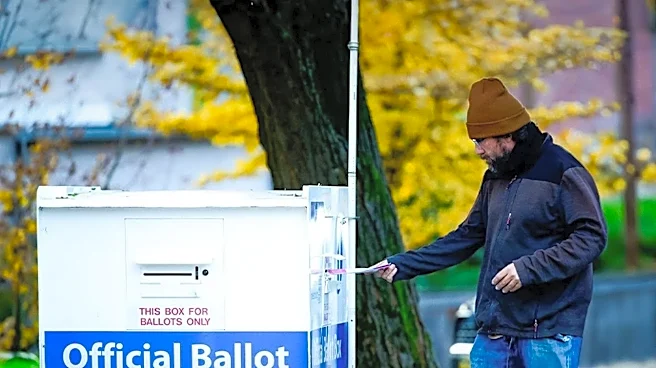
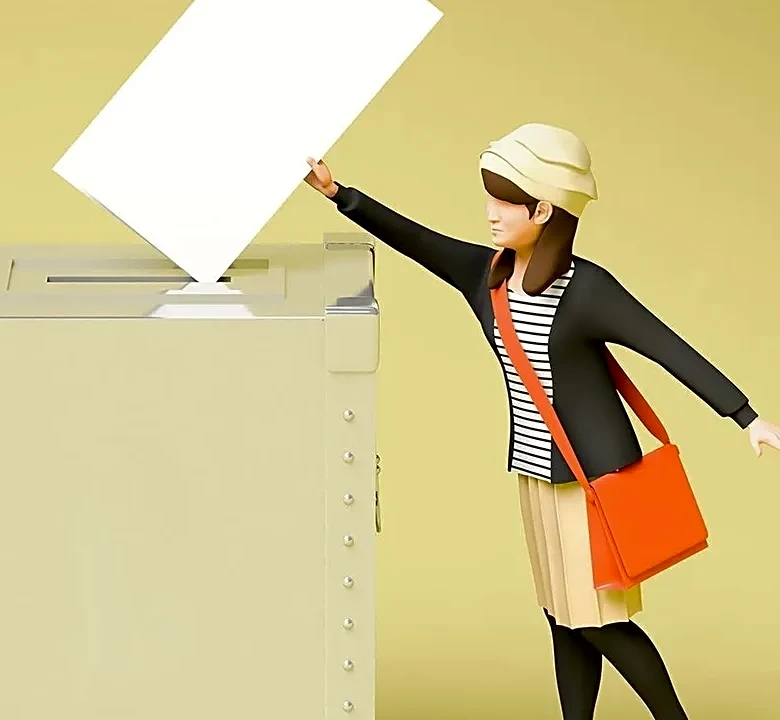
Year after year, Minnesotans turn out to vote in numbers that eclipse the national average. Since 1990, its Senate elections have showcased this remarkable civic engagement. In the 2020 general election, for instance, Minnesota saw a staggering 79.8% of eligible voters cast a ballot, and even in the 2018 midterms, turnout was 64.2%—both figures ranking at or near the top nationally. While turnout can fluctuate depending on whether it's a presidential or midterm year, the baseline is consistently high. The 2008 election, which featured the razor-thin contest between Al Franken and Norm Coleman, saw an incredible 78.1% of eligible voters participate. Even in lower-profile midterm years like 2014, when participation dipped nationally, Minnesota still
managed to get over half its eligible voters to the polls. This pattern isn't a recent fluke; it's a decades-long tradition of showing up, especially when a Senate seat is on the line.
The Secret Sauce: Laws and Culture
So, why is Minnesota so different? Experts point to a combination of voter-friendly laws and a deeply ingrained civic culture. The state's most famous policy is same-day voter registration, which it has had for about 50 years. This allows eligible citizens to register or update their information at the polls on Election Day, removing a major barrier to participation. In 2023, the state went even further by implementing automatic voter registration. Beyond the laws, there's a cultural expectation of voting. It's often described as just 'the Minnesota way'. Political parties and community groups are highly organized and effective at get-out-the-vote efforts, and the state's Scandinavian heritage, with its emphasis on community duty, is often cited as a contributing factor. This potent mix of easy access and social expectation creates a powerful engine for high turnout.
When Every Vote Really Counted
Nothing drives turnout like a close race, and Minnesota has had some legendary nail-biters for the Senate. In 1990, underdog Paul Wellstone, a college professor, unseated a two-term incumbent in a stunning upset with a margin of just 2.6 percentage points. But the most dramatic example was the 2008 contest between incumbent Republican Norm Coleman and Democratic challenger Al Franken. The race was so close that it triggered an eight-month-long recount and legal battle, with Franken ultimately declared the winner by just 312 votes. These high-stakes, high-drama elections have a lasting impact on the state's political consciousness. They serve as a powerful, real-world reminder that every single vote matters, reinforcing the importance of participating and likely fueling turnout in subsequent elections. Many of the state's Senate races since 1990 have been decided by fewer than six points, making Minnesota one of the most consistently competitive states for the office.
Does High Turnout Favor One Party?
A common question in political science is whether higher turnout inherently benefits Democrats or Republicans. In Minnesota, the answer isn't so simple. While the state has a strong Democratic-Farmer-Labor (DFL) Party presence and has voted for the Democratic presidential candidate in every election since 1976, high turnout doesn't automatically guarantee a DFL victory in every race. Republicans have won Senate seats within the modern era of high turnout, including in 1994 and 2002. Furthermore, many DFL victories in top-of-the-ticket races have been by very slim margins, demonstrating a highly competitive and engaged electorate on both sides. The 2018 election cycle featured a rare 'double-barrel' contest with two Senate seats up for grabs, both of which were won by Democrats. Ultimately, high turnout in Minnesota seems to reflect a deeply engaged citizenry across the political spectrum rather than a guaranteed advantage for one specific party.