




An Election Night Without an End
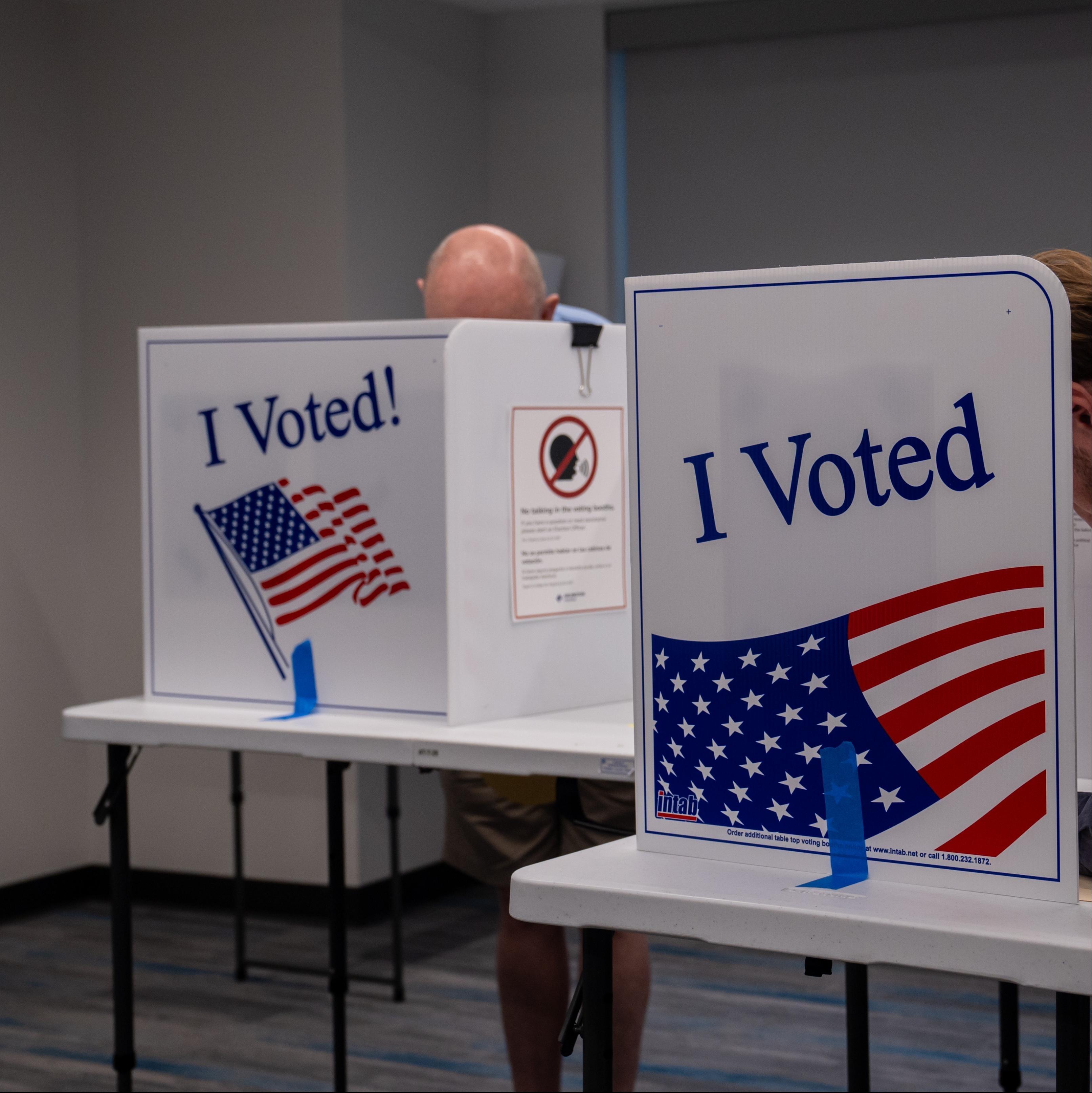
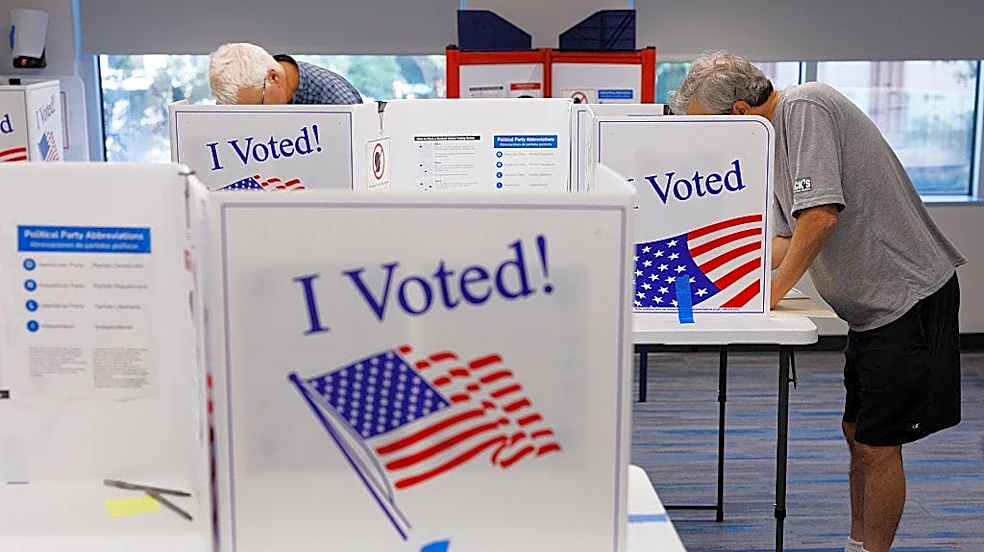
On election night, the picture in New Jersey’s 7th Congressional District was one of pure chaos. With over 400,000 votes cast, the Democratic challenger and the Republican incumbent were separated by a margin so thin it was statistically nonexistent. Television networks refused to call the race, showing the candidates deadlocked at 50.0%. As the night wore on and the final precincts reported, the initial tally showed a lead of just a few hundred votes. Both candidates delivered cautiously optimistic speeches to their supporters, but everyone in the room knew the truth: this wasn't the end. It was the beginning of a long, arduous process that would test the state’s electoral system and the patience of everyone involved. The race was destined
for a recount, a painstaking affair that would turn lawyers into ballot detectives and transform election clerks into the most important people in the state.
The Anatomy of a Recount
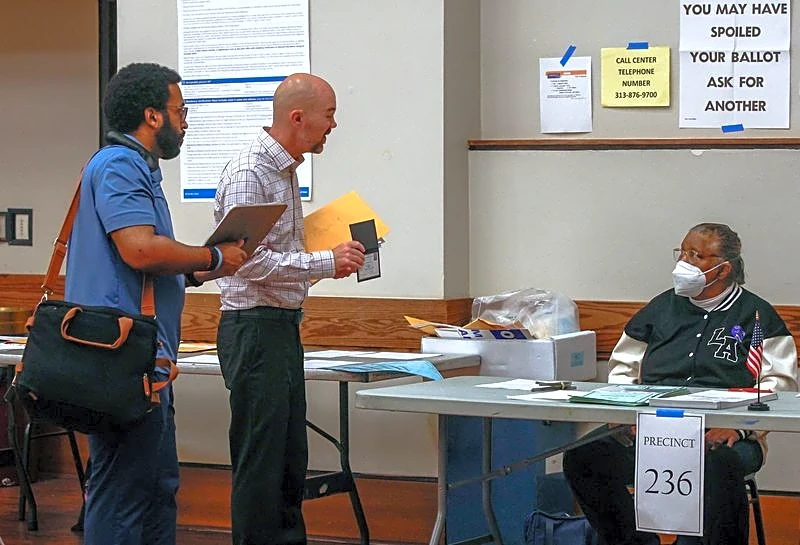
New Jersey state law doesn't trigger automatic recounts, no matter how close the margin. Instead, a campaign must request one within days of the election's certification, believing an error was made in the initial count. In this case, with the margin shrinking after the inclusion of mail-in and provisional ballots, the trailing candidate’s campaign quickly filed for a full recount in all counties within the district. What followed was a spectacle of democratic diligence. In county board of elections offices, teams of lawyers and campaign observers hovered over tables where election workers meticulously re-examined every single ballot. Their focus was on voter intent. Did a stray mark invalidate a vote? Was a circle that wasn't perfectly filled in a clear choice? These 'undervotes' and 'overvotes,' ballots the machines couldn't read cleanly, became the entire battlefield. Each disputed ballot was examined, argued over, and ultimately adjudicated by a Superior Court judge, turning the election into a slow, grinding legal battle fought one vote at a time.
A Single Vote in a Sea of Ballots
After weeks of counting and legal challenges, the margin had dwindled from hundreds to dozens, then to single digits. The entire election ultimately came to rest on a small handful of provisional ballots. One, in particular, became the center of the storm. It belonged to a college student who had registered to vote on campus but had been sent a mail-in ballot to their parents' home in the district. Unsure of the rules, they had shown up to their local polling place and cast a provisional ballot instead. Initially, it was set to be disqualified. The campaigns waged a fierce legal fight over its validity, with one side arguing it was a clear case of a voter attempting to vote twice, and the other arguing it was an honest mistake by a first-time voter that shouldn't result in disenfranchisement. A judge ultimately ruled the vote should be counted, and with that decision, the final margin was set. The winner was declared by a mere seven votes.
A Winner Without a Mandate
Winning by seven votes doesn't exactly provide a thundering mandate. The victor, while victorious, stepped into one of the most precarious positions in American politics: representing a district cut perfectly down the middle. The outcome underscored the nation's deepening political polarization, where suburban districts like New Jersey’s 7th have become ideological battlegrounds with little room for crossover appeal. The losing candidate, after a final appeal was denied, conceded the race but noted that more than 49.9% of the district had voted for a different vision. For the newly (or re-elected) representative, the path forward was fraught with challenges. How do you govern when half of your constituents actively voted against you in one of the closest races imaginable? Every vote in Congress would be scrutinized, every town hall a potential powder keg. The razor-thin victory was not just a historical footnote; it was a living, breathing challenge for the next two years.