
The Old Dominion: Lower Turnout and Foregone Conclusions
Looking back at the 1990s, Virginia's Senate elections often had the feeling of a foregone conclusion, and turnout reflected that. The decade began with one of the lowest-turnout Senate races in modern
Virginia history. In 1990, popular Republican incumbent John Warner ran for re-election without a Democratic opponent, leading to a turnout of just over 25% of the voting-eligible population. While the highly contentious 1994 race between Democrat Chuck Robb and Republican Oliver North saw a significant spike in participation, the general pattern was one of moderate engagement, especially in non-presidential years. Before the turn of the century, Virginia was still largely considered a reliably Republican state in federal contests, and turnout in midterm Senate races often hovered in the 30s and 40s. The rules were different, too; before the National Voter Registration Act took full effect in 1996, voter rolls were regularly 'purged' of infrequent voters, further impacting the raw numbers.
A Political Awakening in the 2000s
The 2000s marked a major turning point. The decade saw Virginia begin its shift from red to purple, with Senate races becoming ground zero for the state’s newfound competitiveness. The 2006 race between Republican incumbent George Allen and Democratic challenger Jim Webb became a national spectacle. Fueled by a Democratic wave and Allen's infamous 'macaca' moment, the race was decided by less than half a percentage point. The result was a surge in voter engagement, with turnout for that midterm election jumping to nearly 53%—a level of participation previously unheard of for a non-presidential contest. Two years later, in 2008, Mark Warner's successful run for an open Senate seat coincided with Barack Obama's historic presidential campaign, which flipped Virginia blue at the presidential level for the first time since 1964. That election saw a massive 74% turnout, cementing the state's status as a top-tier political battleground.
The Era of Nationalized Elections and Sky-High Turnout
Since 2010, Virginia's Senate elections have become fully nationalized affairs, with turnout rates increasingly mirroring those of presidential contests. The 2018 midterm, featuring incumbent Tim Kaine against Corey Stewart, was widely seen as a referendum on the Trump presidency. The result was a record-breaking turnout for a Virginia midterm, approaching 60% of registered voters. This trend of heightened engagement continued into the 2020s. The 2020 Senate race, held during a presidential election, saw a staggering 75% of registered voters cast a ballot. Even in years with gubernatorial races, which historically drive significant interest, the presence of a federal contest now brings an added layer of national importance, drawing in voters motivated by issues far beyond the Commonwealth's borders. Polls from recent elections show that broad, national concerns like the 'state of democracy' are major drivers for Virginia voters, often outweighing local issues.
What It All Means for Virginia Politics
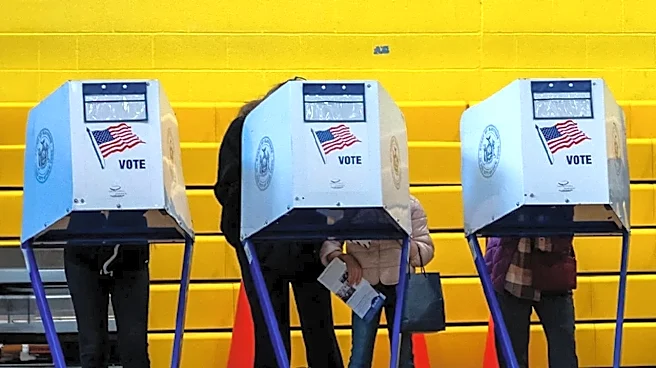
The story of Virginia's Senate election turnout is the story of its political transformation. A predictable, low-turnout state has become a hyper-engaged, competitive one where every major election draws a flood of voters, money, and media attention. Several factors are at play. The diversification of the state's population, particularly the growth of Democratic-leaning Northern Virginia, has created a more balanced electorate. Furthermore, the nationalization of politics means that midterm Senate races are no longer just about the two candidates on the ballot; they are proxies for the larger fight for control of Washington. As a result, Virginia consistently posts turnout rates that are higher than the national average. The days of 25% turnout are long gone; in modern Virginia, high-stakes, high-turnout elections are the new normal.