





A Rematch in a Swing District
The stage was set for a political drama long before a single vote was cast. The 22nd district, a sprawling slice of Upstate New York encompassing cities like Utica and Binghamton, has long been a political battleground. In 2018, Democrat Anthony Brindisi had narrowly unseated first-term Republican incumbent Claudia Tenney. The 2020 election was their highly anticipated rematch. Tenney, a staunch conservative, was eager to reclaim the seat in a district Donald Trump had won handily in 2016. Brindisi, a moderate Democrat, hoped his focus on local issues would be enough to hold on. With both national parties pouring millions into the race, everyone expected it to be close—but no one predicted just how close it would get.
An Election Night Without a Winner
When the polls closed on
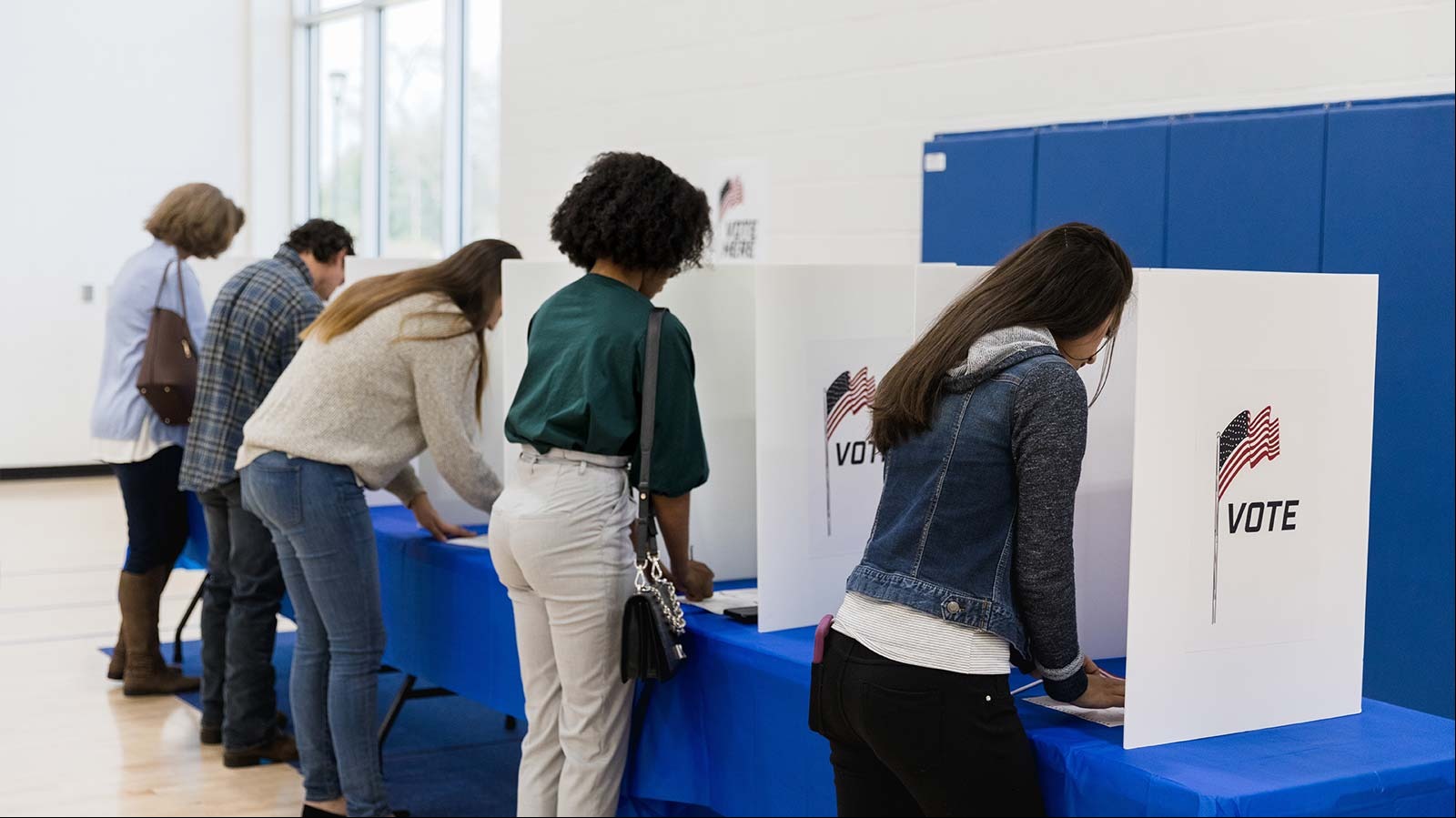
November 3, 2020, Claudia Tenney appeared to have a commanding lead of over 28,000 votes. In a normal year, that would be decisive. But 2020 was anything but normal. Due to the COVID-19 pandemic, New York had expanded mail-in voting, and tens of thousands of absentee ballots had yet to be counted. As county election boards began processing the mountain of mail-in votes in the days and weeks that followed, Tenney’s lead began to evaporate. The margin shrunk from thousands, to hundreds, and then, to mere dozens. By late November, the race was separated by a handful of votes, and it became clear there would be no swift resolution. The last undecided House race in the country was heading to court.
The Anatomy of a Recount
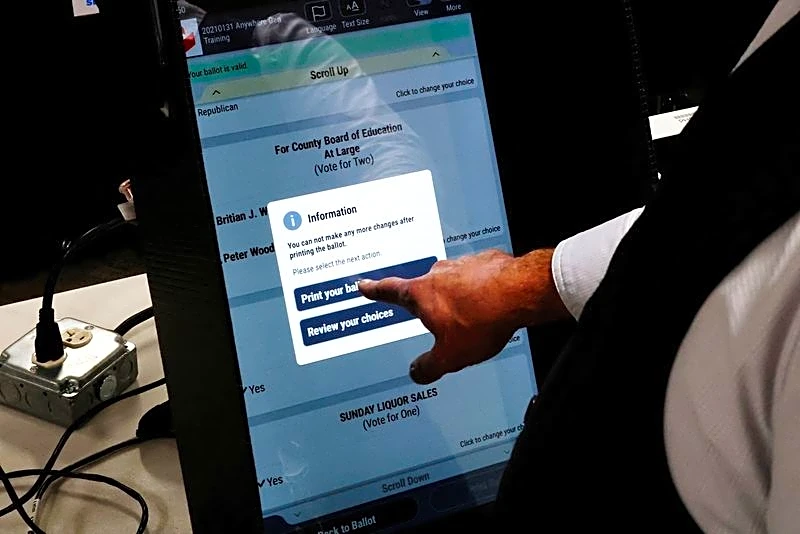
What followed was a three-month legal and procedural marathon. The campaigns, their lawyers, and election officials from eight different counties descended into a painstaking process of reviewing individual ballots. A state judge, Scott DelConte, was tasked with overseeing the chaos. The process uncovered a cascade of administrative errors. In Oneida County, a batch of disputed ballots was marked with sticky notes, which then came unstuck and reattached to other ballots, an incident the media dubbed 'Stickygate'. Other counties found misplaced ballots or realized they had failed to process voter registrations correctly. Every decision—from whether to accept a ballot sealed with an 'I Voted' sticker to interpreting the rules on affidavit ballots—was intensely litigated. For 100 days after the election, the 22nd District had no representative in Congress as the count dragged on.
A Victory by Just 109 Votes
Finally, on February 5, 2021, Judge DelConte made a final ruling. After months of challenges, recounts, and corrections, Republican Claudia Tenney was declared the winner over incumbent Anthony Brindisi by a final margin of just 109 votes, out of more than 312,000 cast. The final tally was 156,098 to 155,989. While not the single closest race in the nation's history—races in other states have been decided by single digits—it was by far the closest and last-decided contest of the 2020 cycle. Brindisi conceded a few days later, and Tenney was sworn into the 117th Congress on February 11, more than a month after her colleagues.