




Why 'Impact Level' Is a Game-Changer
The term 'impact' refers to the intensity of movement and the force it creates. Breasts have no muscle and are primarily supported by delicate connective tissues called Cooper's ligaments. During exercise, breasts move in multiple directions, and without
proper support, these ligaments can stretch irreversibly, leading to pain and sagging. A sports bra's job is to minimize this movement. A study from the University of Portsmouth found that unsupported breasts can move significantly, straining the very tissues designed to support them. Matching your bra's support level to your activity is crucial for comfort, performance, and long-term breast health.
Low-Impact: For Flow and Flexibility
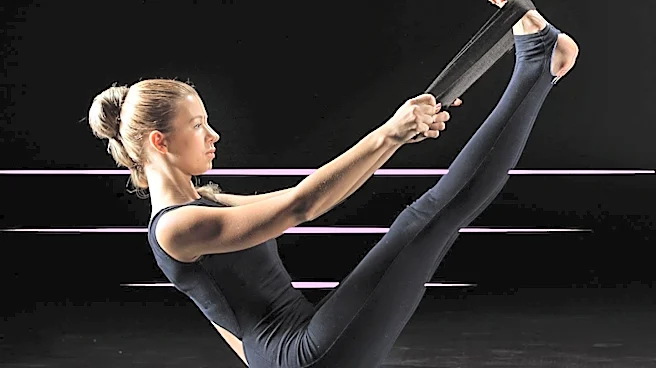
Low-impact sports bras are designed for activities with minimal bouncing, like yoga, Pilates, walking, and strength training. They typically offer lighter support and are often made with softer, more flexible materials for maximum comfort and range of motion. Many feature a simple pullover design and are sold in general sizes (S, M, L). While perfect for gentle workouts, a low-impact bra won't provide enough security for more vigorous exercise. However, some people with larger busts may prefer a more supportive bra even for low-impact activities to ensure comfort.
Medium-Impact: The Versatile Workhorse
Medium-impact sports bras bridge the gap between gentle movement and intense cardio. They are ideal for activities like cycling, hiking, dancing, and moderate weight training. These bras offer more structure and support than their low-impact counterparts but allow for more flexibility than high-impact models. They represent a balance of support and range of motion, making them a versatile choice for mixed-training days. It’s important to note, however, that a medium-impact bra is not designed for the sustained, repetitive bouncing of activities like running.
High-Impact: Your Defense Against Damaging Movement
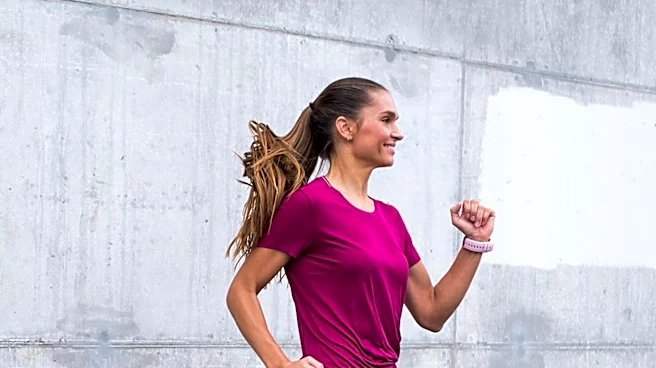
High-impact sports bras are essential for activities that involve significant bouncing, jumping, and running, such as HIIT, aerobics, and court sports. These bras are engineered for maximum support to lock you in and minimize breast movement. They often feature wider, adjustable straps, a firm underband, and fuller coverage. Failing to wear a high-impact bra during intense exercise can not only cause immediate discomfort but also lead to the stretching of Cooper's ligaments over time. This is a non-negotiable piece of gear for anyone engaging in high-intensity workouts, regardless of bust size.
Beyond Impact: Compression vs. Encapsulation
Support isn't just about impact level; it's also about construction. Compression bras work by pressing the breasts firmly against the chest to reduce movement, often resulting in a 'uniboob' look. They are common in low- to medium-impact styles. Encapsulation bras, on the other hand, use individual cups to surround and support each breast separately, much like a traditional bra. This style is crucial for high-impact activities as it provides more targeted control. Many of the most supportive high-impact bras are hybrids, combining both encapsulation and compression for maximum stability.
The Ultimate Test: Finding Your Perfect Fit
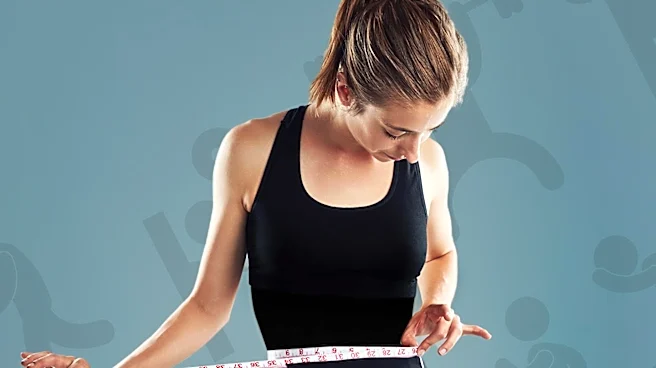
Even the best-rated bra won't work if it doesn't fit correctly. The band should be snug and level around your rib cage, providing most of the support; you should be able to fit two fingers underneath it, but no more. The cups should fully contain your breasts with no gapping or spillage. The straps should feel secure without digging into your shoulders. Before you commit, test the fit by jumping or jogging in place to ensure you feel secure and supported. Sizing can vary widely between brands, so don't be afraid to try on several sizes and styles to find the one that feels right for you.