
Why Build Your Own Kit?
While you can buy pre-made first aid kits, they are often one-size-fits-all. Building your own allows you to tailor the contents to your specific needs, your destination, and the activities you have planned.
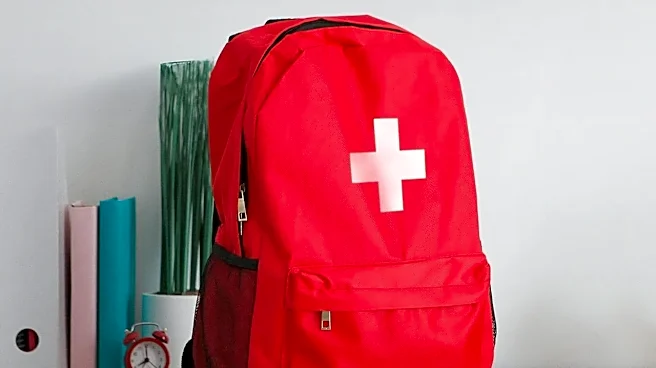
It’s also a great way to familiarize yourself with each item and its purpose. You can control the quality and quantity of the supplies, ensuring you have enough of what you truly need—and nothing you don't. Start with a durable, water-resistant, and clearly labeled bag to keep everything organized and protected.
The Core Four: Essential Medications
Every kit should start with a foundation of basic over-the-counter medications to handle the most common travel ailments. Always keep medicines in their original containers to avoid issues at security or customs. Consider packing: 1. Pain and Fever Relievers: Include acetaminophen or ibuprofen for headaches, muscle soreness, and fever. 2. Antihistamines: For allergic reactions, surprise seasonal allergies, or itchy bug bites. 3. Stomach Remedies: Pack antacids for indigestion, anti-diarrhea medication, and something for motion sickness if you're prone to it. 4. Personal Medications: This is the most crucial category. Pack enough of your daily prescription medications to last the entire trip, plus a few extra days' supply in case of delays.
Wound and Skin Care Supplies
For minor cuts, scrapes, blisters, and burns that are an inevitable part of an active trip, a good selection of wound care items is essential. According to the American Red Cross and CDC, your kit should include: Assorted Adhesive Bandages: A variety of sizes for everything from a paper cut to a scraped knee. Antiseptic Wipes: To clean wounds and prevent infection before applying a bandage. Antibiotic Ointment: A small tube to apply to clean cuts and scrapes to aid healing. Gauze Pads and Medical Tape: For larger injuries that a standard bandage can’t cover. Blister Treatment: Moleskin or specialized hydro-colloid blister pads are a lifesaver for hikers or anyone who will be on their feet all day. Hydrocortisone Cream: For insect bites, rashes, or other minor skin irritations.
Essential Tools and Equipment
Beyond bandages and pills, a few key tools will make your kit infinitely more useful. These items help you properly administer care and handle unexpected situations. Tweezers: For removing splinters, thorns, or ticks. Small Scissors: For cutting gauze or medical tape to size. Note that if you're flying, these may need to go in your checked luggage depending on blade length. Disposable Gloves: To protect yourself and maintain hygiene when treating a wound, especially for someone else. Digital Thermometer: A non-mercury, non-glass thermometer to check for fever.
Customize for Your Destination
The best first aid kit is one that's adapted to your trip. A beach vacation has different risks than a remote wilderness trek. For tropical or developing regions, consider adding insect repellent with DEET, aloe vera gel for sunburns, and water purification tablets. If you're heading into the backcountry, you might add an emergency blanket, a whistle, and supplies for more serious injuries like elastic wraps or splints. For trips with children, include kid-friendly items like chewable pain relievers and fun character bandages. Always research your destination to see if specific vaccinations or medications, like for malaria, are recommended.