







How Air Purifiers Target Allergens
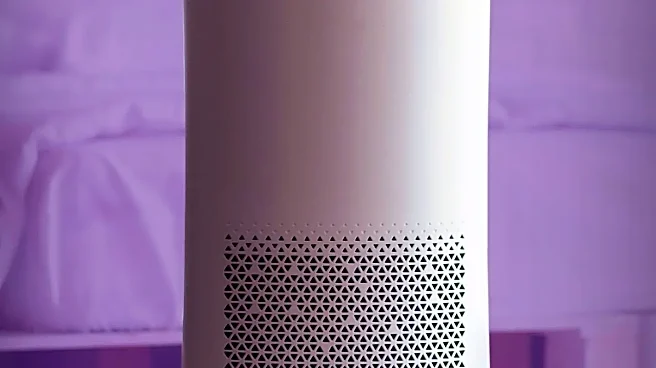
The short answer is yes, air purifiers can significantly help with allergy symptoms. These devices work by pulling in air from a room, passing it through a series of filters, and circulating the cleaned air back out. The magic lies in the filter's ability
to trap microscopic particles that trigger your immune system. Common culprits like pollen, dust mite debris, pet dander, and mold spores get caught in the filter's fine mesh, effectively removing them from the air you breathe. By reducing the concentration of these airborne irritants, a purifier can lessen the allergen load in your home, which often leads to a noticeable reduction in symptoms like sneezing, congestion, and itchy eyes.
The HEPA Filter: Your Best Defense
Not all filters are created equal. The gold standard for allergy relief is the HEPA filter, which stands for High-Efficiency Particulate Air. A true HEPA filter is certified to capture 99.97% of particles as small as 0.3 microns. This specific size is crucial because it's considered the most difficult for filters to trap, meaning particles both larger and smaller are captured with even higher efficiency. Many of the most common allergens, including pet dander and pollen, fall well within this range. Health organizations and clinical studies alike recommend air purifiers equipped with HEPA filters as an effective tool for managing indoor allergies. Be wary of terms like “HEPA-type” or “HEPA-like,” as these do not meet the same rigorous standards and may be less effective.
Sizing Matters: Understanding CADR
Beyond the filter type, the most important specification to consider is the Clean Air Delivery Rate, or CADR. This rating, measured in cubic feet per minute (CFM), tells you how quickly the purifier can clean a room. It is tested against three common pollutants: dust, pollen, and smoke. To be effective, the purifier’s CADR must match your room’s size. A general rule of thumb is that the CADR number should be at least two-thirds of the room's area in square feet. For example, a 150-square-foot room (10x15 feet) would need a purifier with a CADR of at least 100. Using an undersized unit in a large space won't clean the air fast enough to make a difference, while an oversized one might be unnecessarily noisy and consume more energy.
The Limits of Air Purification
While highly effective, an air purifier is not a cure-all. Its primary function is to capture airborne particles. Heavier allergens, such as dust mite fragments and some pet dander, can settle onto surfaces like carpets, bedding, and furniture relatively quickly. Once settled, they are out of the purifier's reach until they are disturbed and become airborne again. Therefore, a purifier cannot replace regular cleaning. It works best as a powerful supplement to a consistent routine of dusting, vacuuming with a HEPA-filtered vacuum, and washing linens. Think of it as one part of a comprehensive allergy management plan, not a standalone solution.
Making the Most of Your Machine
To get the best results, placement and operation are key. An air purifier needs open space around it to circulate air effectively, so avoid tucking it into a corner or behind furniture. For maximum benefit, it should run continuously, especially in the rooms where you spend the most time, like the bedroom. Running it overnight can create a clean-air sanctuary that promotes more restful sleep, free from nighttime allergy symptoms. It’s also important to keep doors and windows closed while the unit is on to prevent new allergens from entering. Finally, remember to maintain it by cleaning or replacing the filters according to the manufacturer's instructions. A clogged filter can't do its job and may even release trapped particles back into the air.