





Your Morning Coffee Creation
That black coffee or simple tea you start your day with is a great, low-calorie choice. But the moment you turn it into a fancy café beverage, the saturated fat content can skyrocket. A grande white chocolate mocha, for example, can pack over 10 grams
of saturated fat, thanks to whole milk, whipped cream, and rich sauces. Many frozen or blended coffee drinks are no better, often containing as much saturated fat as a milkshake. Even so-called 'keto' coffees that add butter or coconut oil can deliver a day's worth of saturated fat in a single cup. To keep your coffee clean, stick to skim or plant-based milks, skip the whipped cream, and use syrups sparingly.
That 'Healthy' Lunchtime Salad
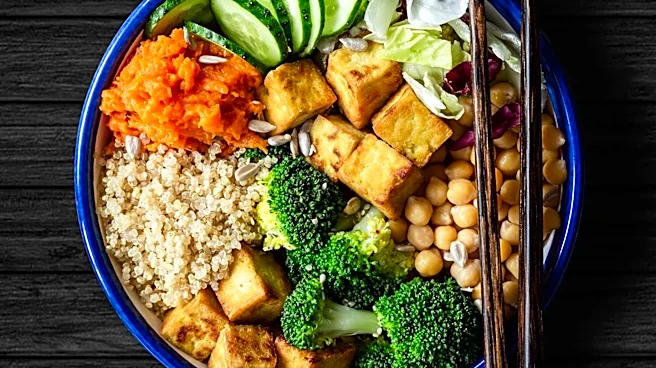
A big bowl of leafy greens and fresh vegetables is a fantastic health choice. The problem arises with the toppings. Creamy dressings like ranch or caesar, a heavy hand with cheese, and crispy bacon bits can quickly turn a light lunch into a saturated fat bomb. Just a few tablespoons of a rich, creamy dressing can add a surprising amount of fat and calories. The American Heart Association recommends building a better salad by using a vinaigrette made with olive oil, loading up on veggies, and choosing lean proteins like grilled chicken (skinless) or beans instead of processed meats and full-fat cheeses.
The Deceptively Rich Muffin or Scone
Grabbing a muffin or scone with your coffee seems like a reasonable breakfast or snack. However, many bakery-style pastries are loaded with butter, oil, and sometimes cream cheese, making them more like a slice of cake. A single jumbo blueberry muffin can contain as much saturated fat as a serving of meat lasagna. The culprits are the high amounts of butter or oil needed to create that tender texture, combined with their often oversized portions. A better bet is to opt for a slice of whole-grain toast with avocado or nut butter for a dose of healthy, unsaturated fats.
Creamy Soups and Sauces
Many pre-made pasta sauces, especially creamy alfredo or vodka styles, rely on heavy cream, butter, and cheese for their rich flavor and texture. This makes them a significant source of hidden saturated fat. The same goes for many canned or restaurant-style soups, like bisques or chowders. Even some dishes that use coconut milk, like many curries, can be high in saturated fat, as coconut oil is one of the few plant-based oils that is predominantly saturated. When shopping, check labels for cream or tropical oils, and consider tomato-based sauces or broth-based soups as lighter alternatives.
Plant-Based 'Meat' Alternatives
Choosing plant-based options can be a great move for your health and the planet. However, it's important to read the labels on plant-based burgers and sausages. To mimic the juicy texture and mouthfeel of real meat, manufacturers often use coconut oil or palm oil, which are high in saturated fat. While these products are free of cholesterol, some popular plant-based burgers can have 5 to 8 grams of saturated fat per patty, which is comparable to beef. These products can still be part of a healthy diet, but they are best eaten in moderation and not assumed to be automatically low in saturated fat.
Yogurt Parfaits and Granola
A yogurt parfait seems like the picture of a healthy breakfast: layers of yogurt, fruit, and granola. But the details matter. Many commercially prepared parfaits use sweetened, full-fat yogurt, which significantly increases the saturated fat content. Granola can also be a sneaky source; it's often made with oils like coconut or palm oil to get those crunchy clusters, adding both fat and sugar. A healthier approach is to make your own parfait with plain, non-fat Greek yogurt, fresh fruit, and a sprinkle of a low-sugar, whole-grain cereal for crunch.