



Phase 1: Pre-Trip Preparations
A successful trip starts weeks before you pull out of the driveway. First, schedule a visit with your veterinarian to ensure your pet is healthy enough for travel and that all vaccinations are current. This is also the time to get a copy of their health records
and a health certificate, as some states require them for interstate travel. Next, confirm your pet's identification is up to date. Their collar should have a clearly legible tag with your cell phone number, and you should verify that their microchip registration details are correct. Finally, acclimate your pet to the car. Start with short, fun drives to a local park or for a treat, gradually increasing the duration to build their comfort and reduce travel-related anxiety. A little positive reinforcement goes a long way in making the car feel like a safe space.
Phase 2: Vehicle Safety & Security
Once you're ready to pack, the most critical item is a proper safety restraint. Letting a pet roam free in a moving vehicle is a major distraction and incredibly dangerous for everyone in the event of a sudden stop or accident. The safest option for both cats and dogs is a well-ventilated, hard-sided carrier that is secured in the back seat with a seatbelt or other anchor. The carrier should be large enough for your pet to stand, turn around, and lie down comfortably. For dogs who are accustomed to being out of a crate, a crash-tested safety harness that attaches to the seatbelt system is another excellent option. Never allow your pet to ride in the front seat, as a deploying airbag can cause serious injury or death.
Phase 3: The Essential Packing List
Packing for your pet involves covering their core needs: food, water, comfort, and cleanup. Bring more of their regular food and treats than you think you'll need, just in case of delays. Sticking to their usual diet helps prevent stomach upset. Pack collapsible bowls for easy feeding and hydration on the go. It's also wise to bring bottled water from home, as a sudden change in drinking water can sometimes cause digestive issues for sensitive pets. For comfort, pack their favorite bed, a familiar blanket, or a few beloved toys to make unfamiliar hotel rooms feel more like home. Don't forget the practical items: plenty of waste bags, paper towels, enzymatic cleaning spray for accidents, and any required medications.
Phase 4: On-the-Road Best Practices
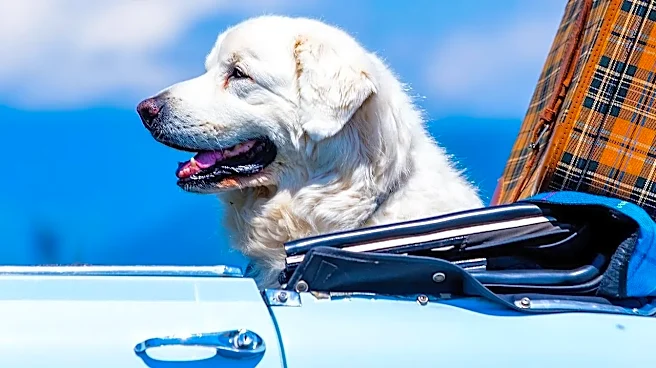
While driving, your pet's well-being is the top priority. Plan to stop every two to three hours to give your dog a chance to stretch their legs, get a drink of water, and have a potty break. Always leash your pet before opening the car doors to prevent them from bolting in an unfamiliar place. Though it's a classic image, don't let your dog hang their head out the window; they can be injured by debris or get an eye infection. Most importantly, never, ever leave your pet unattended in a parked car. Even on a mild day with the windows cracked, the temperature inside a vehicle can rise to dangerous levels within minutes, leading to heatstroke and death. Plan your stops at pet-friendly restaurants or parks to avoid this risk entirely.