





It All Starts With the River
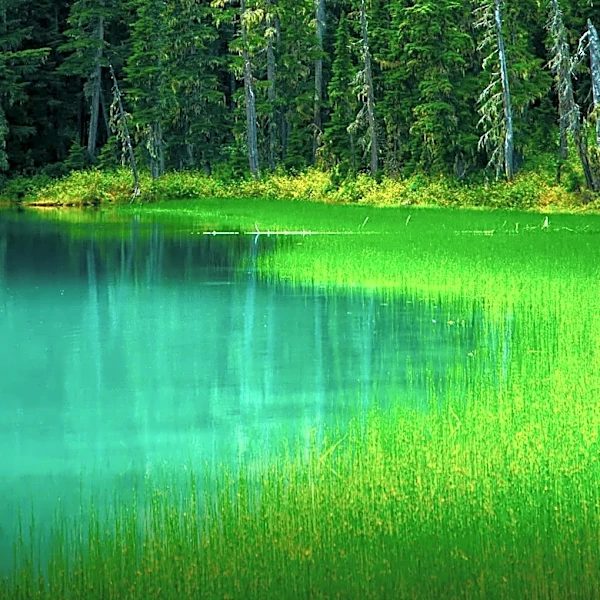
Unlike most waterparks that use chemically treated city water, the original Schlitterbahn in New Braunfels is built around the cool, clear, spring-fed Comal River. Many of the attractions in the original section of the park use this natural river water, which
is then filtered and returned to the river. This creates a completely different feel—the water is a refreshing 72 degrees, and the park is nestled in the natural landscape of the Texas Hill Country, shaded by giant, mature trees. This isn't a concrete jungle; it’s an oasis that grew organically around the water, not the other way around. The result is a network of tube chutes that feel less like a ride and more like a genuine river adventure, with some rides lasting as long as 45 minutes.
German Heritage, Texas Attitude
The park’s name, Schlitterbahn, is a made-up German word meaning “slippery road,” a nod to the deep German heritage of New Braunfels, Texas. This isn't just a name; it’s an identity. The architecture in the original park reflects this, with castle-like towers and a charming, almost old-world European village feel. The first major structure was a 60-foot tower modeled after Solms Castle in Germany. This unique character sets it apart from the slick, corporate branding of other parks. It feels like a place with a story, founded by the Henry family in 1979 and built with imagination and sweat equity, a history that still defines its rustic charm today even under new ownership by Cedar Fair since 2019.
Rides That Changed the Game
Schlitterbahn isn't just about lazy rivers; it's a hotbed of waterpark innovation. The park is credited with inventing the world's first uphill water coaster, the Master Blaster, which uses powerful water jets to propel riders up hills, creating a roller coaster-like experience on water. Opening in 1996, the Master Blaster became an instant icon and has been voted the best water ride in the country time and time again. Schlitterbahn also pioneered the first inland surfing ride (the Boogie Bahn) and the 'Transportainment' system—a network of interconnected rivers that allows guests to float from one ride to the next without ever leaving the water.
A Tale of Two Parks
The New Braunfels location is so vast that it’s actually two distinct parks, Schlitterbahn West (the original) and Schlitterbahn East, connected by a tram service. West is the original, historic side with its shady canopy, natural river water rides, and meandering tube chutes that can take you on a 45-minute journey. East is home to the more modern, high-thrill attractions like the Master Blaster tower, the Black Knight tube slides, and the Torrent River, which combines a lazy river with a wave pool. This split personality allows you to curate your day: start with a nostalgic, relaxing float in the morning and then head over for high-energy thrills in the afternoon.
The Best Perk Is What You Bring With You
In an era where theme parks nickel-and-dime you for everything, Schlitterbahn holds onto a refreshingly old-school, family-first policy: you can bring your own food. Families are welcome to pack their own coolers with picnic lunches, drinks, and snacks (just no glass or alcohol). This simple policy does more than just save you money; it cultivates a communal, relaxed atmosphere. Finding a shaded picnic table to use as a home base, filled with your own food and drinks, is a core part of the Schlitterbahn experience. Combine that with free parking, and it’s a stark, welcome contrast to the typical theme park visit.