
The Undeniable Power of Screen-Free Play
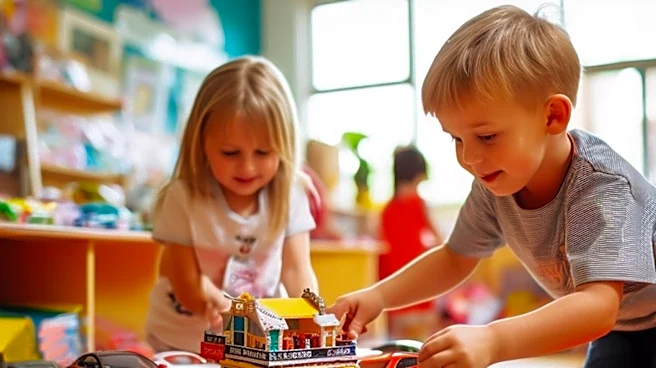
Before screens, there was play. And for good reason. Unstructured, screen-free time is fundamental to a toddler's development. When a child builds a tower of blocks, scribbles with a crayon, or engages
in make-believe, they are doing critical work. This kind of hands-on play builds essential fine motor skills, physical coordination, and the kind of imaginative thinking that fuels creativity and problem-solving. Studies consistently show that open-ended play is a powerful driver of language development. Without a device narrating the action, toddlers talk to themselves, create stories, and practice communication in the most natural way possible. Socially, playing with others teaches invaluable lessons in sharing, taking turns, and reading social cues that a screen simply cannot replicate. This active engagement with the physical world helps children learn to self-regulate, focus their attention, and build resilience.
Not All Screen Time Is Created Equal
It's easy to vilify all screens, but experts agree that the context and content matter immensely. The American Academy of Pediatrics (AAP) has shifted its focus from strict time limits to emphasizing the quality of the media. For toddlers between 18 and 24 months, the AAP recommends introducing high-quality programming that a parent or caregiver watches with them. This practice, known as "co-viewing," helps children understand what they're seeing and connect it to the world around them. High-quality educational apps can offer real benefits, such as reinforcing early literacy and numeracy skills or developing problem-solving abilities through interactive puzzles. These apps are designed to be engaging and can introduce concepts in a fun, accessible way. The key is to choose apps that are intentionally educational, minimize distracting ads, and encourage active participation rather than passive viewing.
Finding a Healthy Balance, Not a Winner
The goal isn't to declare a victor between screen-free and digital activities, but to create a thoughtful balance that serves your child's development. The AAP recommends no more than one hour per day of high-quality programming for children ages 2 to 5, and that this time shouldn't interfere with sleep or physical activity. Integrating this guideline requires intentionality. Experts advise creating screen-free zones and times, such as the dinner table and bedrooms, to protect family connection and healthy sleep habits. It’s also crucial to turn off background TV, as it can distract from parent-child interaction and a child's own play. The most effective approach involves using digital games as a supplement to, not a replacement for, real-world play. Use an app about animals to spark a conversation, then visit a local park to see squirrels and birds in real life.
How to Decide What's Right for You
Every family is different, and the right media plan depends on your child's temperament, your values, and your daily realities. To find your fit, start by evaluating the digital media itself. Is the app or show age-appropriate and designed by child development experts? Does it encourage problem-solving and creativity? Then, consider the context. Are you using the screen as an interactive teaching tool or as a digital babysitter? Co-viewing is always the better option when possible. Finally, observe your child. Do they become irritable after screen use, or does it genuinely spark their curiosity? If your child has difficulty disengaging or loses interest in other forms of play, it might be a sign to scale back. The AAP offers a free Family Media Plan tool to help families set clear and consistent boundaries together.