





Prioritizing Whole Foods
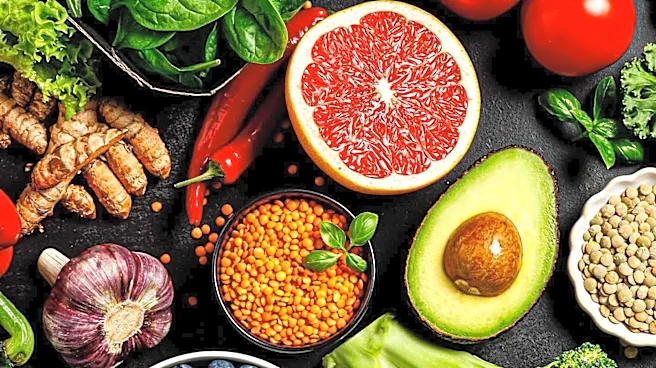
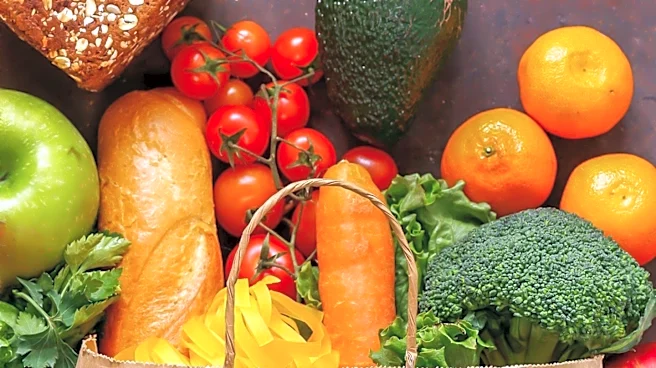
The foundational rule of a heart-smart plan is simple: choose minimally processed foods over ultra-processed ones. Dietitians look for meals built around single-ingredient items like fruits, vegetables, and whole grains. These foods are naturally rich
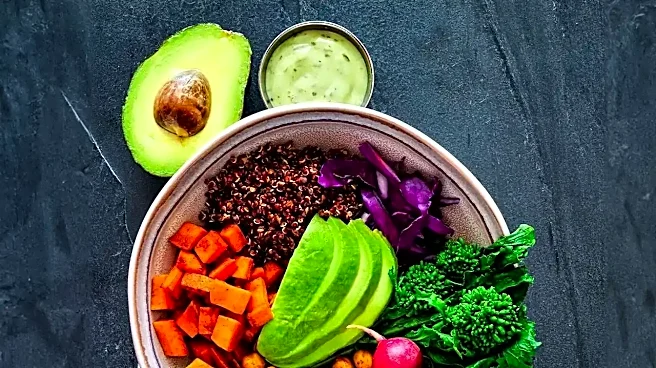
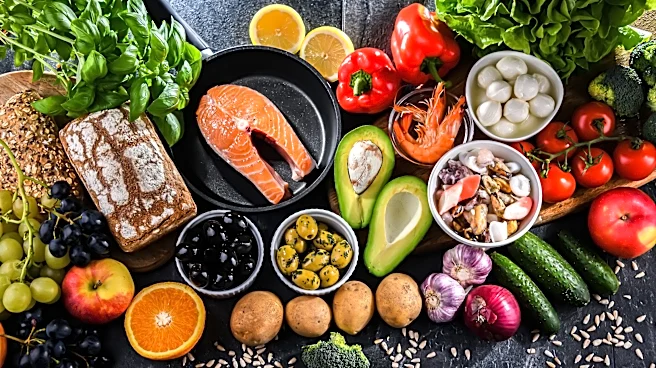
in vitamins, minerals, and antioxidants without the hidden sodium, added sugars, and unhealthy fats often found in packaged goods. A great visual cue is to fill at least half your plate with a variety of colorful fruits and vegetables. The more vibrant the colors, the wider the range of nutrients you're getting.
The Fat Equation
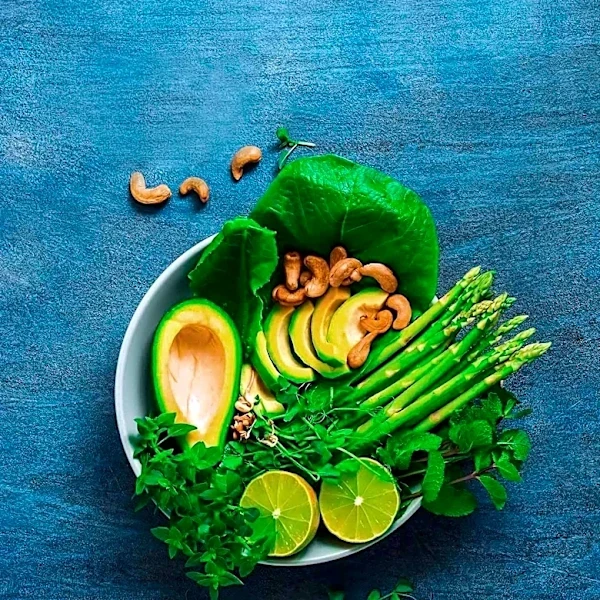
Not all fats are created equal, and dietitians pay close attention to the type of fat in a meal. The goal is to replace saturated and trans fats with healthier unsaturated fats. Saturated fats, which are typically solid at room temperature like butter, lard, and the fat in red meat, should be limited. Instead, a heart-healthy plan emphasizes sources of unsaturated fats, such as those found in olive oil, avocados, nuts, and seeds. Fatty fish like salmon and tuna are also prized, as they provide omega-3 fatty acids, a type of polyunsaturated fat known to reduce the risk of cardiovascular disease. The American Heart Association recommends eating fish at least twice a week.
The Sodium Check
Excess sodium is a major contributor to high blood pressure, a key risk factor for heart disease. Dietitians scrutinize food labels for sodium content, often advising clients to choose products with 140 milligrams of sodium or less per serving, which qualifies as "low sodium". A huge amount of sodium in the American diet comes from processed and restaurant foods, so cooking at home with minimal or no salt is a powerful strategy. To make up for less salt, dietitians recommend using a variety of herbs, spices, citrus juices, garlic, and onions to add flavor to meals.
A Focus on Fiber
Fiber is a cornerstone of a heart-healthy diet, and dietitians look for it in two main categories: whole grains and plant foods. Choosing whole grains like oats, brown rice, and quinoa over refined grains (like white bread and pasta) is critical. Whole grains are associated with improved cholesterol levels and a lower risk of heart disease. Legumes, such as beans, lentils, and chickpeas, are another excellent source of both fiber and plant-based protein. This high-fiber content not only supports heart health but also helps you feel full and satisfied after a meal.
Choosing Lean Protein
When evaluating protein, dietitians favor lean and plant-based sources. Plant proteins from nuts, seeds, and legumes are highly encouraged. For animal protein, the focus is on fish and seafood, skinless poultry, and low-fat or fat-free dairy products. While you don't necessarily have to eliminate red meat entirely, dietitians recommend choosing lean cuts and consuming it less frequently. Limiting processed meats like bacon, sausage, and deli meats is also a key recommendation due to their high content of sodium and saturated fat.