



The Team: Your Security Starting Lineup
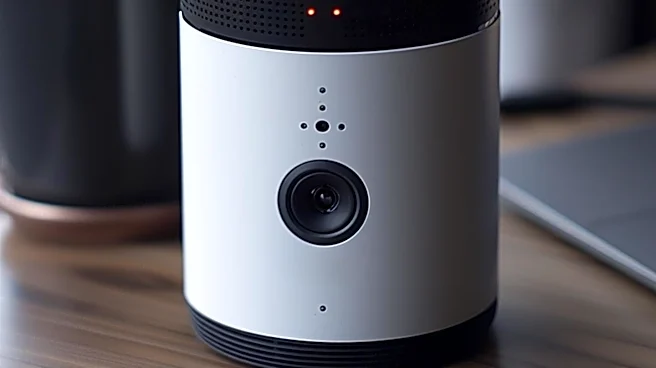
First, let's meet the players. A smart security system isn't one single thing; it's a team of specialized devices. You have your cameras (like video doorbells), which are the eyes of the operation. Then you have sensors, the system's nerve endings, which detect
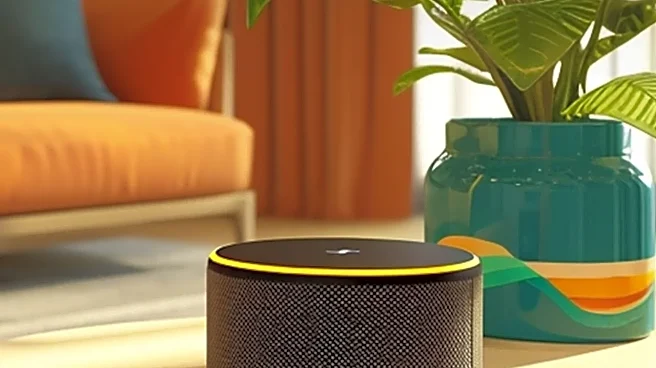
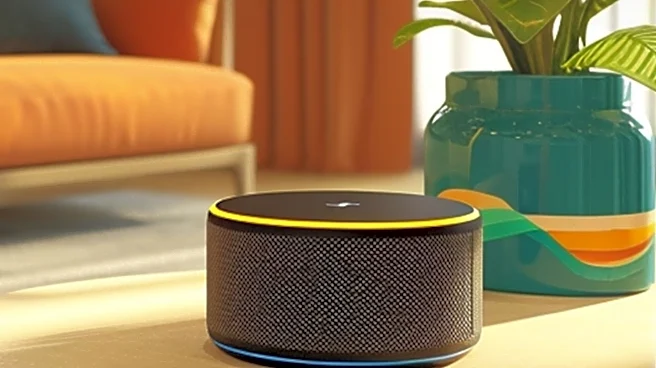
when a door or window opens, or when there's motion in a room where there shouldn't be. Smart locks act as the gatekeepers, allowing you to control access remotely. Finally, you might have sirens or smart speakers that can sound an alarm. Each of these components has a specific job, but their real power comes from their ability to work in concert.
The Secret Language of Smart Devices
For these devices to work together, they need to speak the same language—or have a translator. These languages are called communication protocols. You've probably heard of Wi-Fi, which is great for devices that need to send a lot of data, like a security camera streaming video. However, Wi-Fi is power-hungry. That's where other low-power protocols like Zigbee and Z-Wave come in. These are designed for battery-operated devices like door sensors and smart locks, allowing them to run for months or even years. They create a special kind of network called a 'mesh network,' where each device can relay signals to its neighbors, making the whole system more reliable and extending its range. The downside? Devices using different protocols can't talk to each other directly. It's like trying to have a conversation where one person only speaks French and the other only speaks Japanese.
The Hub: Your System's Command Center
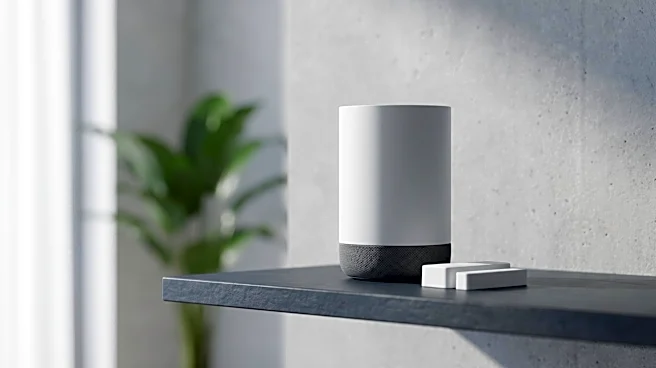
This is where the smart hub comes in. A hub, sometimes called a bridge or controller, acts as the central brain and translator for your security system. It's a device that can speak multiple 'languages'—Wi-Fi, Zigbee, Z-Wave, and Bluetooth—and allows all your different gadgets to communicate. When your Z-Wave door sensor detects a break-in, it tells the hub. The hub then instructs your Wi-Fi camera to start recording and sends an alert to your phone via your internet connection. Without the hub, your door sensor would be shouting into the void. It’s the command center that turns a collection of individual devices into a cohesive, automated system. Your smartphone app is your window into this command center, letting you set rules, check status, and receive alerts from anywhere.
The Cloud: Where the 'Smart' Happens
When an alert does pop up on your phone, it has likely just completed a round trip to the cloud. Most smart security systems rely on an internet connection for their core features. When your camera detects motion, it doesn't just talk to your hub; it sends a signal through your router to a remote server owned by the manufacturer (like Ring, Google, or SimpliSafe). This cloud server is what processes the information, stores the video clip, and pushes the notification to your app. This cloud-based approach is what allows you to check in on your home from halfway across the world. While some systems can perform basic functions locally if the internet goes down, the remote access and instant alerts that define modern security are almost entirely cloud-driven.
Matter: The Quest for a Universal Translator
For years, the biggest headache in smart homes has been the 'language' barrier between brands. You might need one hub for your Philips Hue lights and another for your Aqara sensors. The industry's answer to this is a new standard called Matter. Backed by major players like Apple, Google, and Amazon, Matter is designed to be a universal, open-source language for smart home devices. The idea is simple: if a device has the Matter logo, it will just work with any other Matter-certified device or controller, regardless of who made it. It uses existing technologies like Wi-Fi and another low-power mesh network called Thread to create a more unified and simplified ecosystem. While it's still rolling out, Matter promises a future where you no longer have to worry if your new smart lock will talk to your existing security system.