




It’s Built to Last
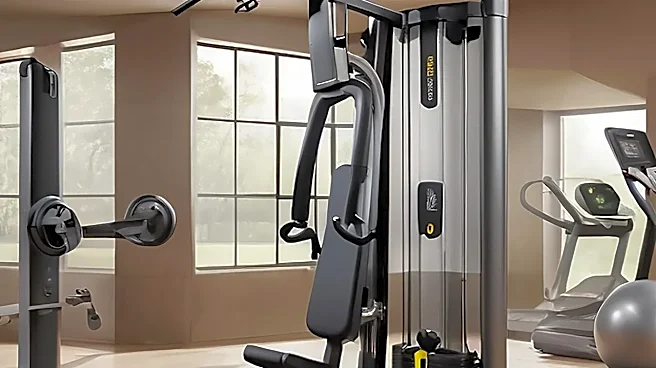
The first sign of quality is durability. Great gym equipment feels solid, stable, and secure. Look for heavy-gauge steel frames, high-quality welds, and parts that don't wobble or rattle. For cardio machines, this means powerful motors that can handle
frequent use without overheating and reinforced frames that absorb impact. For strength equipment, it's about thick upholstery that won’t easily tear and cables that travel smoothly without snagging. This isn't just about longevity; it's about safety. Equipment that is poorly constructed is a risk. You should feel confident that the machine can handle the weight you’re lifting and the force you’sre exerting without failing. A piece of equipment that feels flimsy is often a sign that corners were cut in its design and manufacturing.
It’s Versatile and Adaptable
The best equipment earns its footprint by serving a wide range of users and goals. Think of a high-quality functional trainer or a simple set of adjustable dumbbells. These pieces can be used for dozens of different exercises, targeting multiple muscle groups and accommodating various fitness levels. A machine that only performs one isolated movement might have its place, but true value lies in versatility. Great equipment is often useful for both a beginner learning a new movement and an advanced athlete pushing their limits. This adaptability means you can continue to use the same piece of gear as you progress, modifying exercises to increase or decrease the challenge. It’s a key feature that separates a long-term fitness tool from a short-lived gimmick.
It Features Ergonomic Design
Ergonomics is the science of designing things to fit the human body, and it's crucial for fitness equipment. The best gear is intuitive to use and aligns with your body's natural movement patterns. Adjustments for seat height, grip position, and range of motion should be straightforward and accommodate different body types. When you use a well-designed machine, the movement feels smooth and comfortable, allowing you to focus on the exercise itself rather than fighting against an awkward setup. This focus on ergonomics does more than just enhance comfort; it significantly reduces the risk of injury. Equipment that forces your joints into unnatural angles or promotes poor form is counterproductive and dangerous in the long run.
It Allows for Clear Progression
A fundamental principle of fitness is progressive overload—the need to gradually increase the demands on your body to keep making progress. The best gym equipment is designed with this principle in mind. For strength machines, this means weight stacks that offer small, manageable increases in resistance, allowing you to get stronger over time. For free weights, it's the availability of a wide range of dumbbells, kettlebells, or plates. Cardio machines should allow for precise adjustments in speed, incline, or resistance. Equipment that makes it easy to track your performance and incrementally increase the difficulty is equipment that will support your fitness journey for years. It provides a clear path forward, which is essential for staying motivated and achieving your goals.
It Promotes Functional Movement
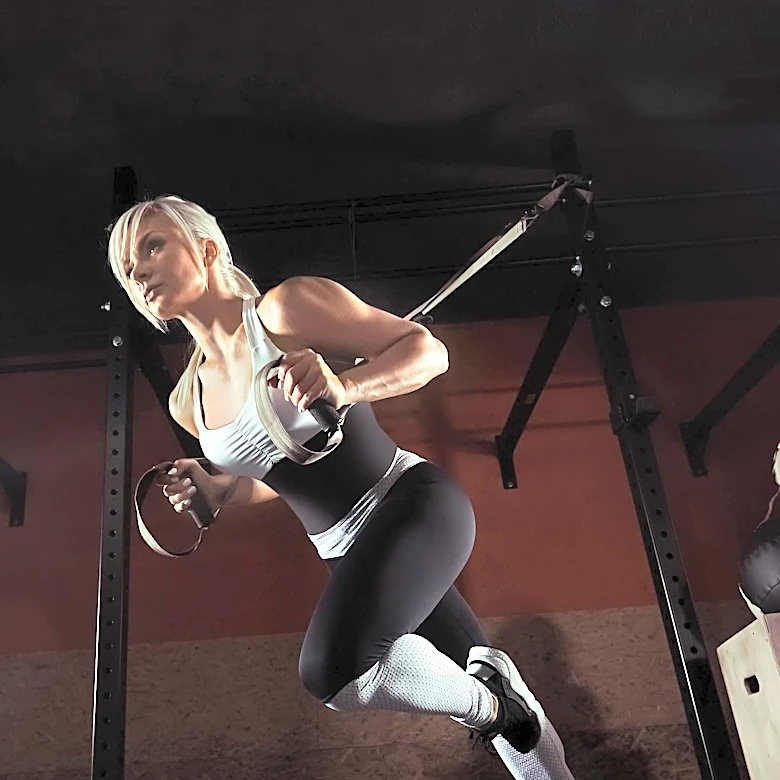
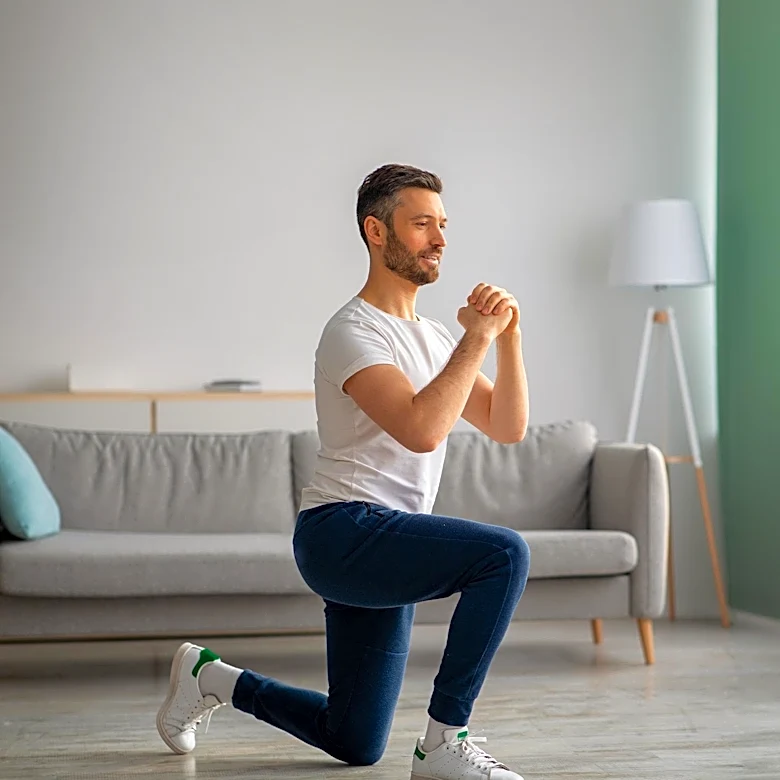
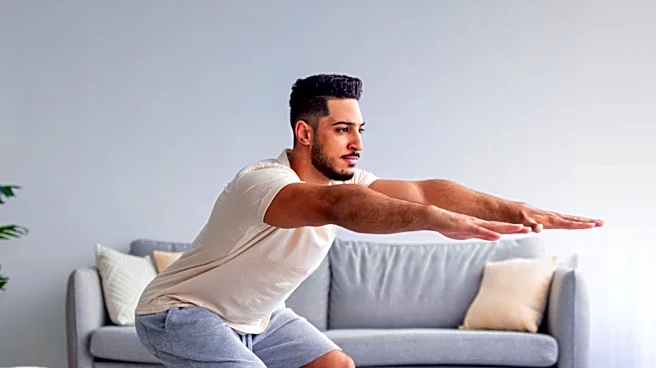
While single-joint isolation exercises have their place, much of the most effective and highly regarded equipment supports compound, multi-joint movements. These are exercises that mimic the way your body moves in real life—pushing, pulling, squatting, and hinging. Think of squat racks, cable machines, and even simple tools like kettlebells. They train muscles to work together as a system, which builds practical, real-world strength, improves coordination, and burns more calories. Equipment that encourages this type of functional training helps improve your overall physical competence, making everyday activities like carrying groceries or playing with your kids easier and safer.