








More Than Just a Form
While it’s true that most schools require a completed physical form before a student can practice or compete, the exam's purpose goes far beyond paperwork. The goal of the pre-participation physical evaluation (PPE) is to ensure an athlete is healthy
enough to handle the demands of their sport, to identify potential health risks, and to support safe participation. Think of it not as a hurdle, but as the first and most important piece of safety equipment. The American Academy of Pediatrics (AAP) and other medical groups recommend these evaluations to maximize the health and safety of every young athlete. Ideally, this exam happens in your doctor's office about six weeks before the season starts, allowing time to address any issues that arise.
Screening for Hidden Dangers
The most critical function of a sports physical is to screen for underlying conditions that could be dangerous or even life-threatening during intense physical exertion. Many young athletes appear perfectly healthy, but some conditions, like undiagnosed asthma or heart abnormalities, may not show symptoms during normal daily activities. However, the stress of competitive sports can turn these hidden issues into emergencies. The evaluation focuses heavily on the cardiovascular system, with doctors checking blood pressure, pulse, and listening for heart murmurs or irregular rhythms. They also review the family's medical history for any instances of premature cardiac events or sudden death, which can be a red flag for inherited conditions.
A Head-to-Toe Health Snapshot
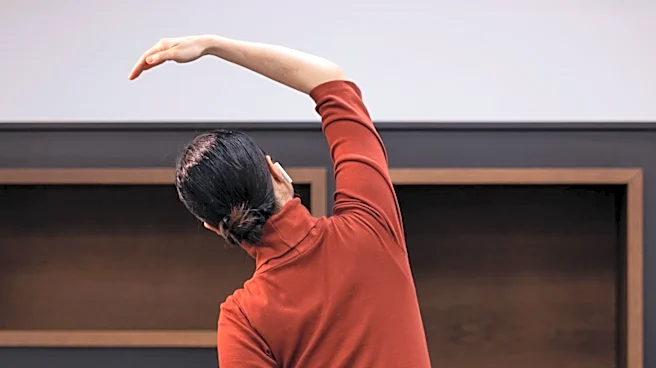
The PPE involves two main parts: a detailed medical history and a comprehensive physical exam. The history portion covers everything from past injuries, hospitalizations, and concussions to allergies and current medications. Being honest and thorough on these forms provides the doctor with a clear window into potential risks. The physical exam is a head-to-toe assessment. A provider will record height and weight, test vision, and evaluate the heart, lungs, and abdomen. They will also conduct a musculoskeletal screening, checking the spine, posture, joints, strength, and flexibility to identify imbalances or weaknesses that could lead to injury.
Injury Prevention and Performance
Identifying and addressing issues early is key to preventing injuries down the line. A doctor might spot muscle imbalances or poor flexibility that could predispose an athlete to sprains or strains. By catching these problems, they can recommend specific exercises or stretches to correct them before the season even begins. The physical is also an opportunity to discuss the proper healing of past injuries, ensuring a player isn't returning to action too soon. This proactive approach not only keeps athletes safer but can also enhance their performance by ensuring their bodies are properly prepared for the stress of their sport.
An Opportunity to Talk
For many teens, the sports physical is one of the few times they see a doctor all year, making it a valuable opportunity to discuss overall health and wellness. Updated guidelines from medical organizations now encourage providers to use this time to screen for mental health issues like anxiety and depression. It offers a confidential space for athletes to ask questions about nutrition, sleep, or the pressures of competition. For female athletes, it's a chance to discuss menstrual history, and for all athletes, it can be a moment to address sensitive topics like substance use in a safe setting.