



The Overwhelmed Toddler Brain
A toddler’s brain is a world of wonder, but it's also a work in progress. One of its developing skills is filtering sensory input. To a young child, a toy that flashes, plays music, and moves on its own isn't just stimulating; it can be overwhelming.
This sensory overload can cause a child's nervous system to go into a state of stress, a phenomenon some experts have linked to irritability and poor focus. Instead of inviting a child into play, a toy that does everything often leaves the child with nothing to do but watch. It’s a passive experience, and toddlers are anything but passive beings. Their job is to actively explore, and a simple object offers a calmer, more accessible starting point.
The Magic of Open-Ended Play
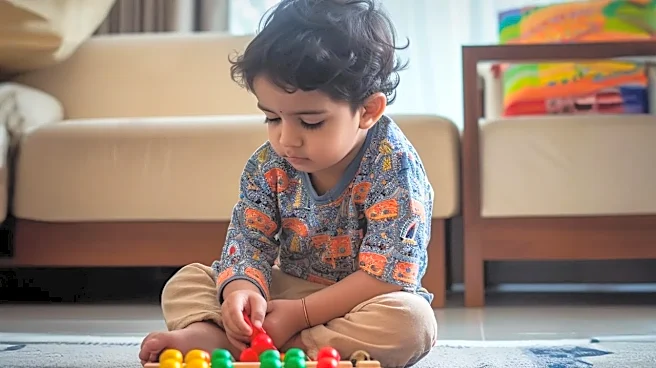
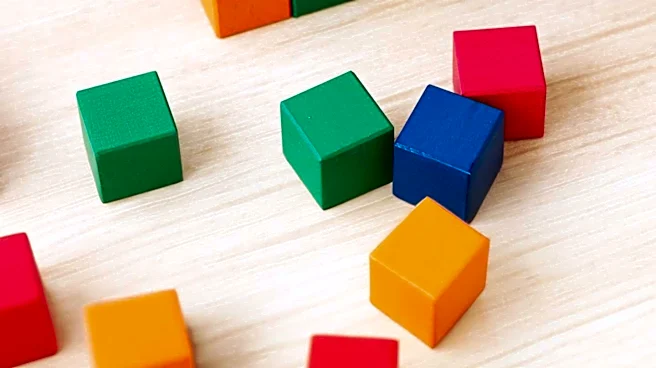
The cardboard box wins because it's an 'open-ended' toy. This means it doesn't have a single, prescribed way to be used. It can be a house, a car, a hat, a drum, or a tunnel. The child, not the toy, is in charge. Simple items like blocks, balls, nesting cups, and even household objects like pots and pans invite a child to be the director of their own play. This process is crucial for cognitive growth. It builds skills in problem-solving, creativity, and flexible thinking as the child experiments with what an object can do. When a toddler decides to stack blocks into a tower, they are learning about gravity, balance, and cause and effect in a way a button-pushing toy can't replicate.
Building Focus That Lasts
A common concern for parents is a toddler’s fleeting attention span. It may seem counterintuitive, but simpler toys are often better at building focus. A complex electronic toy often has a single function or a limited set of actions. Once the child figures out the gimmick, the novelty wears off quickly, and they move on. In contrast, open-ended toys allow for deeper, more sustained engagement. A child might spend 20 minutes engrossed with a set of wooden blocks, exploring countless variations of building, sorting, and storytelling. This kind of deep, child-led focus is a muscle; the more they use it in play, the stronger it gets, setting a foundation for learning in more structured environments like preschool.
It’s All About Connection
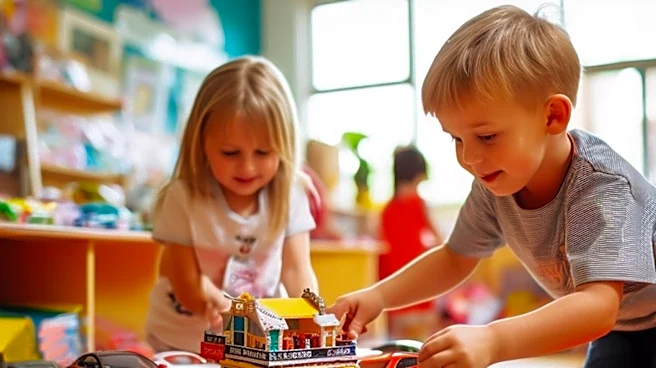
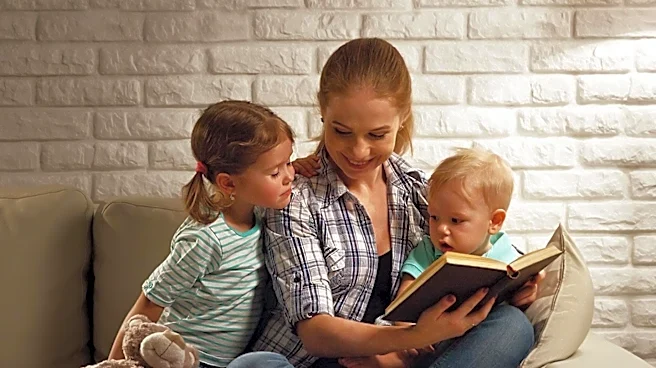
Many electronic toys are designed for solo play, creating a bubble around the child. Simple games, on the other hand, naturally invite connection. Rolling a ball back and forth, taking turns adding a block to a tower, or pretending to cook a meal with play food all require interaction. This back-and-forth engagement, known as 'serve and return,' is fundamental for building a child’s brain architecture, language skills, and social-emotional intelligence. These simple activities teach cooperation, communication, and empathy. Ultimately, a child’s most engaging playmate isn't a toy at all—it's a responsive and present caregiver.
How to Embrace Simple Play
You don't need to purge your home of every battery-operated toy. Instead, try rotating toys to reduce overwhelm and keep things fresh. Some parents follow a guideline of having only about 20 toys accessible at a time. Create a play area with a mix of simple, open-ended materials: blocks, puzzles, art supplies, and dress-up clothes. Observe what your child is naturally drawn to. If they're fascinated by stacking, offer nesting cups or rings. If they love making noise, provide a small drum or some wooden spoons and a pan. The goal isn't to deprive them of modern toys but to ensure they have ample opportunity for the kind of imaginative, self-directed play that truly fuels their development.