






Relying on a Generic, Pre-Made Kit
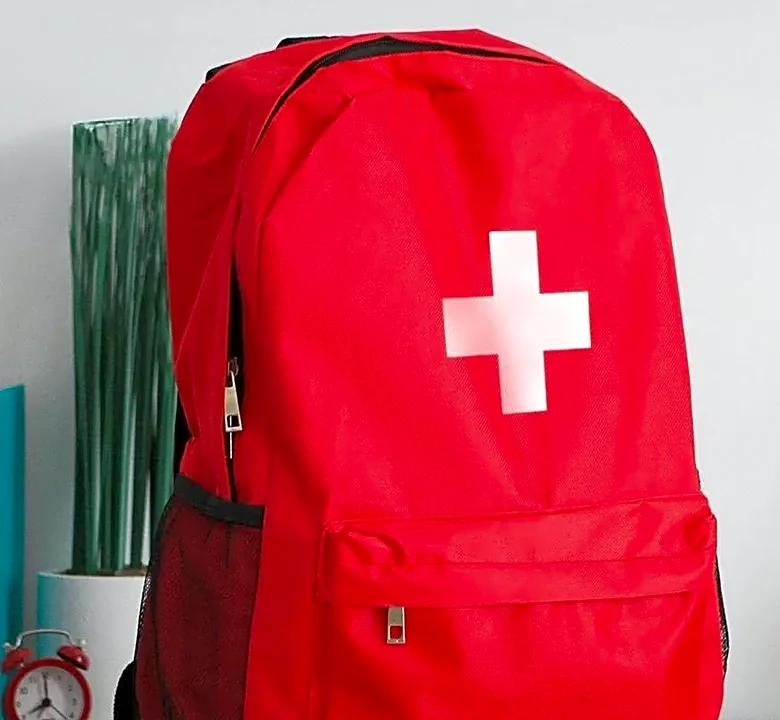
Buying a pre-packaged first aid kit feels like a responsible shortcut, but it's a classic case of one-size-fits-none. These kits are designed for the most common, minor scrapes and cuts, not for your specific needs, activities, or destination. The American
Red Cross and the CDC emphasize that a good kit should be personalized. A family with young children needs different items than a solo hiker, and a trip to a tropical jungle requires different precautions than a week in a European city. A generic kit might lack sufficient quantities, specialized items like blister treatment for a hiking trip, or medications tailored to your health history.
Forgetting Your Destination and Activities
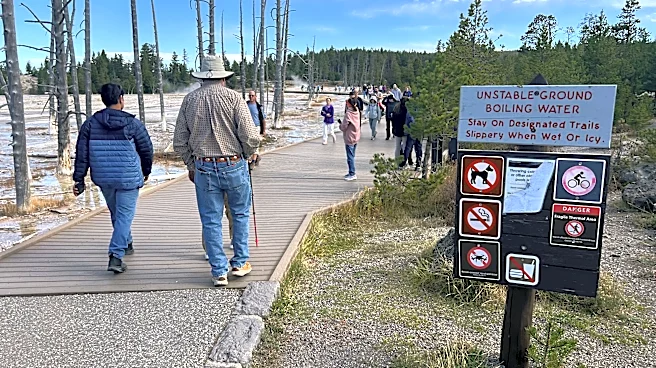
One of the biggest errors is failing to consider the unique risks of your environment. Traveling to a warm climate might increase the risk of severe sunburn, insect bites, and dehydration. In this case, your kit should be heavy on aloe vera, hydrocortisone cream, and an effective insect repellent containing DEET. Heading to a remote, high-altitude location? You'll want to include medicine for altitude sickness and supplies for more significant trauma, since medical help may be far away. Always research your destination. Consider the terrain, local wildlife, and common illnesses to build a kit that addresses the most probable scenarios you'll face.
Letting Your Supplies Expire
A first aid kit is not a set-it-and-forget-it item. Medications, ointments, and even sterile supplies have expiration dates for a reason. Over time, medications can lose their potency or, according to the FDA, even become harmful as their chemical composition changes. Adhesives on bandages and medical tape degrade, making them useless for securing a dressing. Heat and humidity, common in a car or packed luggage, can accelerate this process. Get into the habit of inspecting your kit at least once or twice a year. Check every item, discard anything that is expired or has damaged packaging, and replace it immediately.
Packing Only Basic Bandages
While adhesive bandages are essential, they can't handle everything. Minor cuts are common, but so are sprains, blisters, and deeper lacerations. Your kit should be more comprehensive. The Red Cross suggests including items like elastic wraps for joint injuries, gauze rolls and pads for larger wounds, and adhesive tape to keep dressings in place. Butterfly bandages are invaluable for helping to close the edges of a minor cut. For more adventurous travel, trauma supplies like a tourniquet and hemostatic gauze, which helps control major bleeding, can be literal lifesavers.
Forgetting Personal Medications and Documents
Your travel kit should merge first aid with personal health needs. A critical mistake is not packing enough of your daily prescription medications to last the entire trip, plus a few extra days in case of travel delays. Keep them in their original, clearly labeled containers. It's also wise to carry a copy of your prescriptions. Beyond medicine, your kit should include vital information. The CDC recommends a contact card with emergency numbers, your health insurance details, and a list of any allergies or chronic conditions. This information is crucial for first responders if you are unable to communicate.
Not Knowing How to Use Your Supplies
A kit full of professional-grade supplies is worthless if you don't know how to use them. Packing a quick-clot bandage without knowing how to apply pressure correctly, or having a triangular bandage without knowing how to fashion a sling, does you no good in a crisis. Many kits come with a small first aid guide, which is a great start. Before you travel, take a few minutes to familiarize yourself with the contents of your kit. Read the instructions on medication packets and watch a few online videos on basic techniques like wrapping a sprain or dressing a wound. A little knowledge can turn your collection of supplies into a powerful tool for handling an emergency.