





The Unseen Science of Airflow
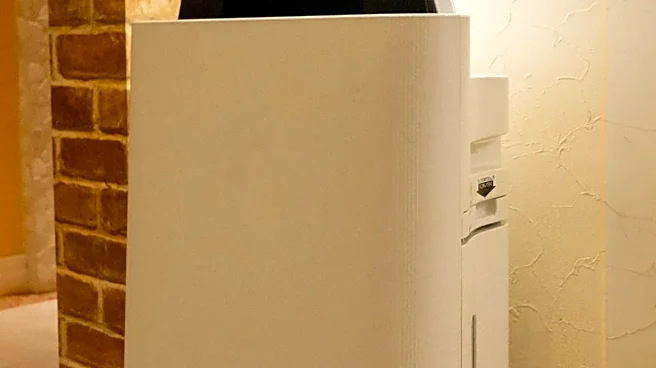
An air purifier works by creating a cycle of air movement. It pulls in polluted air from your room, passes it through a series of filters to trap particles like dust, pollen, and pet dander, and then pushes clean air back out. For this to work, the unit
needs to be able to circulate air freely. When the intake or outlet vents are blocked, the purifier can only clean a tiny pocket of air around itself, leaving the rest of the room untouched. Research shows that poor placement can reduce a purifier's real-world effectiveness by 50% or more, meaning the best purifier in the wrong spot will be outperformed by a decent one in the right spot.
The Biggest Mistake: Corners and Clutter
The most common error is tucking an air purifier into a corner or hiding it behind furniture. While this might seem tidy, corners are dead zones for air circulation. Placing a unit there severely restricts its ability to pull in air from across the room. Similarly, shoving it behind a couch or under a table blocks airflow and can cause the machine to simply recycle the same small pocket of clean air. As a rule, ensure your purifier has at least a foot or two of open space on all sides to allow for proper intake and circulation. Moving a unit just a few inches away from a wall can dramatically improve its performance.
Prioritize Your Breathing Zone
The most effective placement strategy is centered on your "breathing zone"—the air in the immediate 3 to 6-foot radius around your head. This is why the bedroom is the single most important room for an air purifier. You spend a third of your life there, breathing from a fixed location. For maximum benefit, place the unit 3 to 6 feet from your head while you sleep, either on the floor or elevated on a nightstand. This ensures it captures allergens and dust mite particles stirred up by movement before you inhale them. The same principle applies to other rooms: position the purifier near where you sit in the living room or at your desk in a home office.
To Elevate or Not to Elevate?
Whether to place your purifier on the floor or a table depends on your main concern. Heavier particles like dust and pet dander tend to settle near the ground, making floor placement effective for capturing them. However, elevating the unit on a sturdy table or dresser brings its intake closer to the breathing zone, which is better for intercepting lighter airborne particles like smoke or viruses before you breathe them in. For most bedrooms, placing a smaller unit on a nightstand is often ideal. In living rooms, larger floor models that push air upward generally work well.
Target the Source of Pollutants
Beyond the breathing zone, think about where pollutants are entering or being generated. If you suffer from seasonal allergies, placing the purifier between an open window and yourself can help filter pollen before it circulates through the room. In kitchens, position the unit 6 to 10 feet from the stove to help capture cooking odors and fumes, but not so close that it's affected by steam or grease. For pet owners, placing the purifier near your pet's favorite bed or lounging spot can help trap dander at its source.