








The Universal Essentials for Every Trip
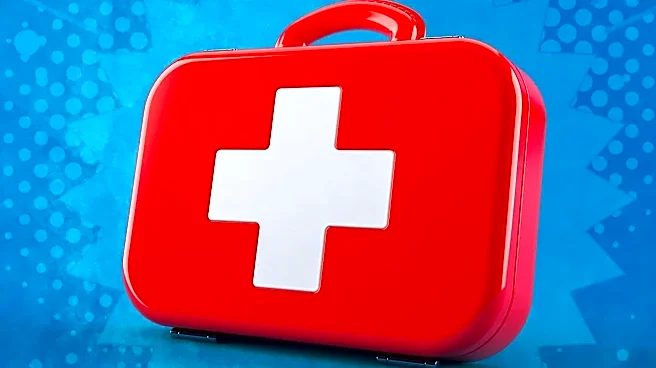
Before you customize, every kit needs a solid foundation. These are the non-negotiables that should be in your bag whether you’re flying across the globe or driving a few hours from home. Start with a variety of adhesive bandages, sterile gauze pads,
and medical tape for minor cuts and scrapes. Add antiseptic wipes for cleaning wounds and an antibiotic ointment to prevent infection. Pain and fever relievers like ibuprofen or acetaminophen are crucial for headaches, muscle soreness, and unexpected fevers. Also include an antihistamine for mild allergic reactions, tweezers for splinters or ticks, and hydrocortisone cream for rashes. Finally, pack any personal prescription medications you need, with enough to cover potential travel delays. All these items should be stored in a clearly labeled, easy-to-access bag.
For the Mountain Trail and Backcountry
Heading into the wilderness requires a more robust setup. The most common trail injuries are often friction and fall-related. Blister treatment is your number one priority; pack moleskin, blister tape, or specialized gel pads to address hot spots before they become debilitating. For sprains and strains, an elastic wrap and a finger splint can provide crucial support. Given the rugged terrain, larger wounds are a possibility, so include wound closure strips and a small syringe to irrigate cuts before dressing them. Insect repellent containing DEET is essential to ward off ticks and mosquitoes. Because you'll be far from immediate help, consider adding items for more serious situations, such as an emergency heat-reflecting blanket for shock or exposure and oral rehydration salts for dehydration.
For the Sun, Sand, and Sea
A beach vacation brings its own set of specific risks, primarily related to sun, water, and marine life. Sunscreen with an SPF of 15 or higher is a must, but you should also pack aloe vera gel for inevitable sunburns. Dehydration is a major concern in hot climates, so including oral rehydration packets is a smart move. For minor scrapes from shells or coral, antiseptic wipes and waterproof bandages are key. It's also wise to pack a small bottle of vinegar, which can help neutralize the sting from some types of jellyfish. Anti-itch cream will provide relief from sand flea bites and other insect encounters. Finally, don't forget waterproof medical tape, as standard adhesive tape will quickly lose its stickiness in humid or wet conditions.
For the Bustling City Break
Urban travel might seem safer, but it presents its own challenges. The biggest one is often foot-related distress from walking miles on hard pavement. Pack plenty of blister pads and cushioned bandages. Stomach issues can also arise from trying new foods or encountering different water, so bring antacids and anti-diarrhea medication like Imodium. General pain relievers will help with headaches or sore muscles after a long day of sightseeing. While you’re likely near a pharmacy, having these items on hand saves you a late-night search in an unfamiliar city. Hand sanitizer with at least 60% alcohol is also invaluable for staying germ-free after riding public transit or visiting crowded attractions.
Remember Your Personal Needs and Documents
Beyond the destination-specific items, your first aid kit must be personalized to you and your travel companions. If you or someone in your group has a severe allergy, an epinephrine auto-injector is non-negotiable. Travelers with diabetes should pack all necessary testing supplies and insulin. The CDC also recommends including important documents in your health kit, such as copies of your prescriptions, your health insurance card, and emergency contact information. For international travel, add the contact information for the U.S. embassy at your destination. By taking a few extra minutes to think through your specific health needs, you can turn a basic kit into a personalized lifesaver.