







The Real Reason Sugar Is in Your Hydration Packet
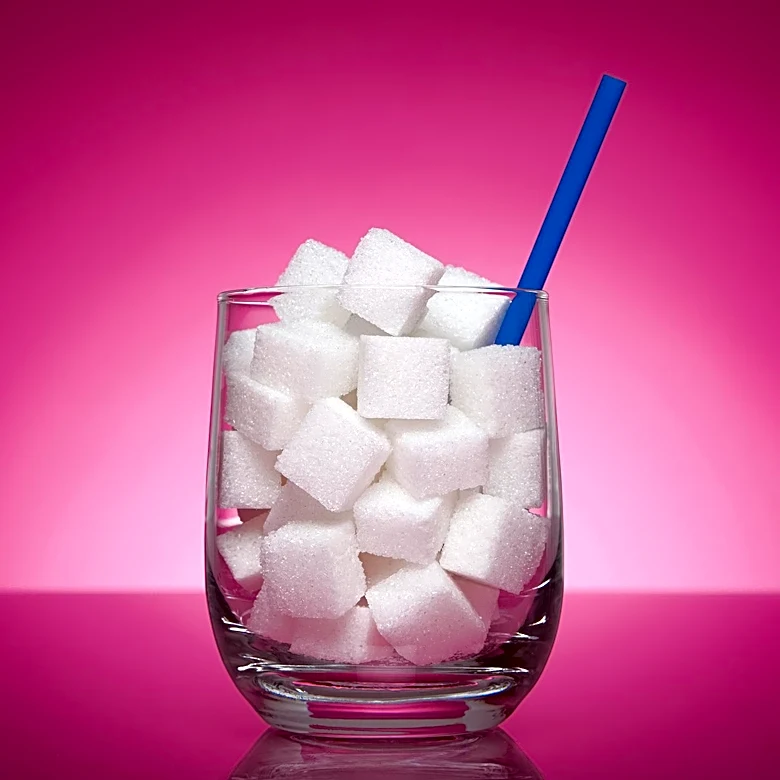
It’s easy to assume the sugar in regular hydration packets is just for taste and a quick energy jolt. While it does provide energy, its primary role is far more scientific. Sugar, specifically glucose, acts as a key that unlocks faster hydration. This
process is called the sodium-glucose cotransport system. In your small intestine, glucose and sodium bind together, allowing them to be absorbed into your bloodstream much more quickly than either could be alone. And where sodium and glucose go, water follows. This mechanism, known as a 'hydration multiplier,' is the same principle used in medical-grade oral rehydration solutions to effectively combat dehydration from illness. So, that sugar isn't just filler; it's a functional ingredient designed for speed and efficiency.
When to Reach for a Regular Hydration Packet
A regular, sugar-containing hydration packet is your best bet when your body is under significant stress. Think of situations involving intense and prolonged fluid loss. Endurance athletes, like marathon runners or long-distance cyclists, benefit most. For exercise lasting more than 60 to 90 minutes, your body starts depleting its stored energy (glycogen). The sugar in these packets serves a dual purpose: it refuels your working muscles with easily accessible energy and speeds up the replacement of lost fluids and electrolytes. This helps maintain performance and ward off fatigue. They are also highly effective for rapid rehydration when you’re ill with vomiting or diarrhea, or after spending a long day working in extreme heat. In these scenarios, the goal is to get fluids and electrolytes back into your system as fast as possible, and sugar is the express lane.
The Case for Going Low-Sugar
So, if sugar is so helpful, why do low-sugar and zero-sugar options exist? Because most of us aren't running marathons every day. For daily life and lighter activity, your body doesn’t need that high-speed delivery system. Low-sugar hydration packets are designed for the person working at a desk, running errands, or enjoying a 45-minute gym session. In these situations, your primary goal is to replace the essential minerals lost through normal daily sweat and activity, and plain water with electrolytes does the job perfectly well. These packets provide the sodium, potassium, and magnesium your body needs without the added calories or the potential blood sugar spike that’s unnecessary for casual consumption. For many, they’re simply a tool to make water more flavorful, which encourages them to drink more throughout the day.
What to Look for on the Label
Beyond the sugar content, a few other details on the nutrition panel are worth a look. First, check the electrolyte levels, particularly sodium. It's the primary electrolyte lost in sweat, but amounts can vary drastically between brands. Some are formulated for 'salty sweaters' and contain high levels of sodium, while others are more balanced for general use. If you’re opting for a low-sugar version, note the type of sweetener used. Most brands today use natural, plant-based sweeteners like stevia or monk fruit extract, but it's always good to check if you have a preference or sensitivity. Ultimately, the ingredient list should be relatively simple and focused on what your body actually needs: essential minerals for fluid balance.